The Swedish start-up Meadow wants to replace single-use plastic in certain product categories with a new aluminium pre-fill system. The company is pursuing a long-term strategy for recyclable packaging and is working with well-known industrial partners. Aluminium is considered to be particularly easy to recycle, but it also has some disadvantages.
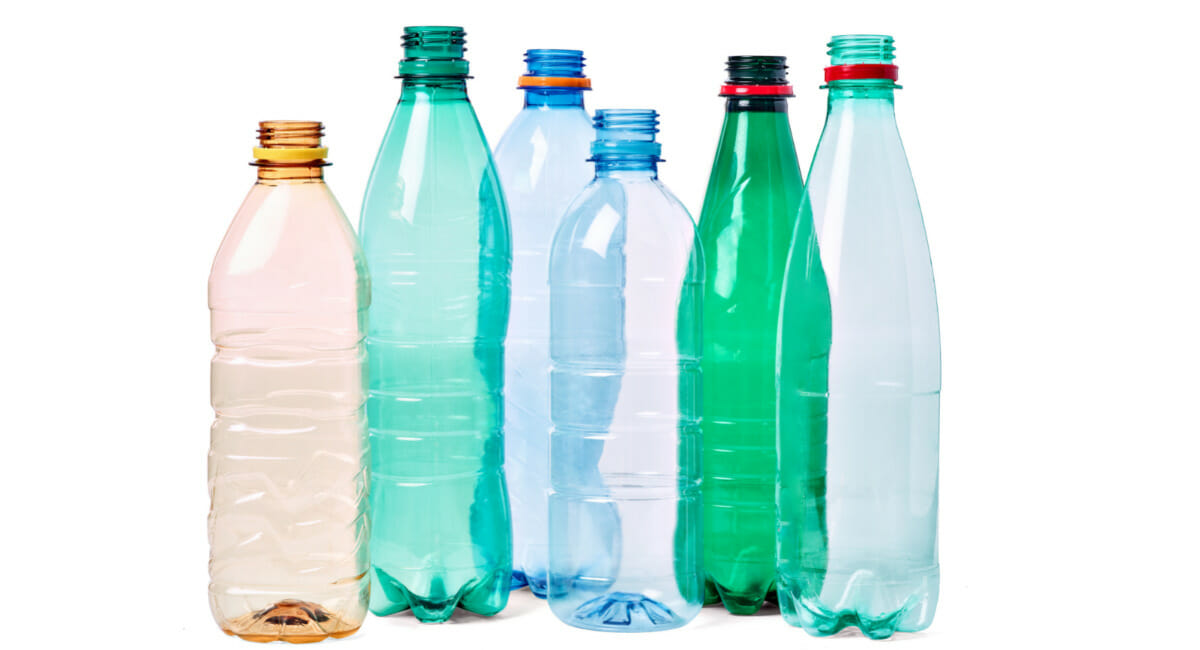
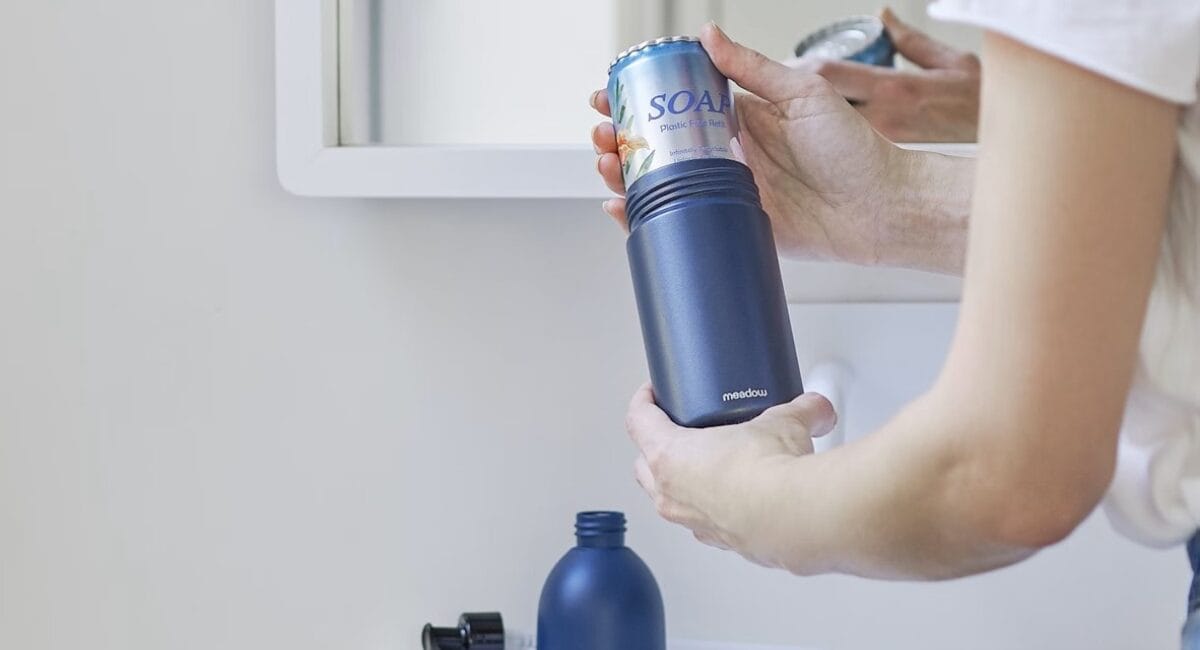
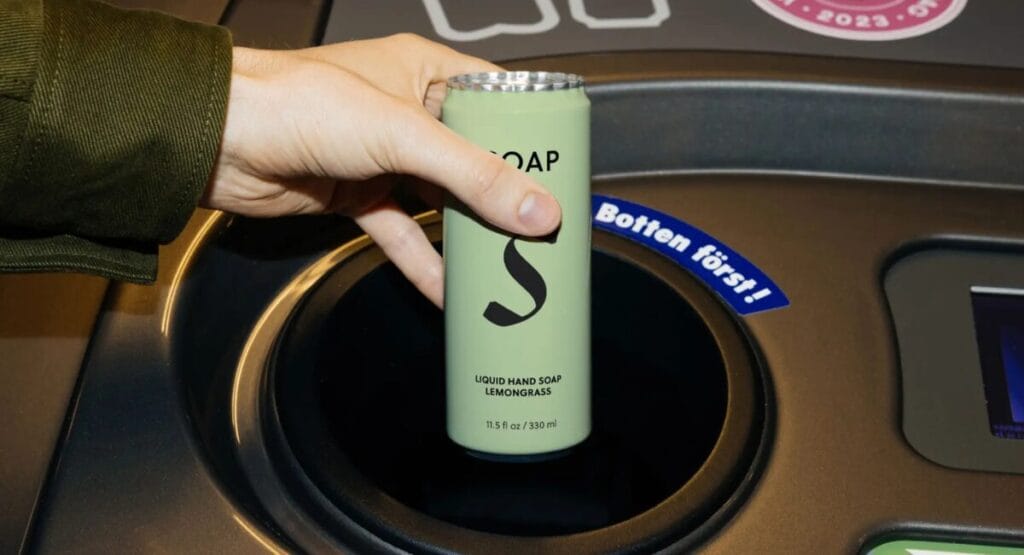
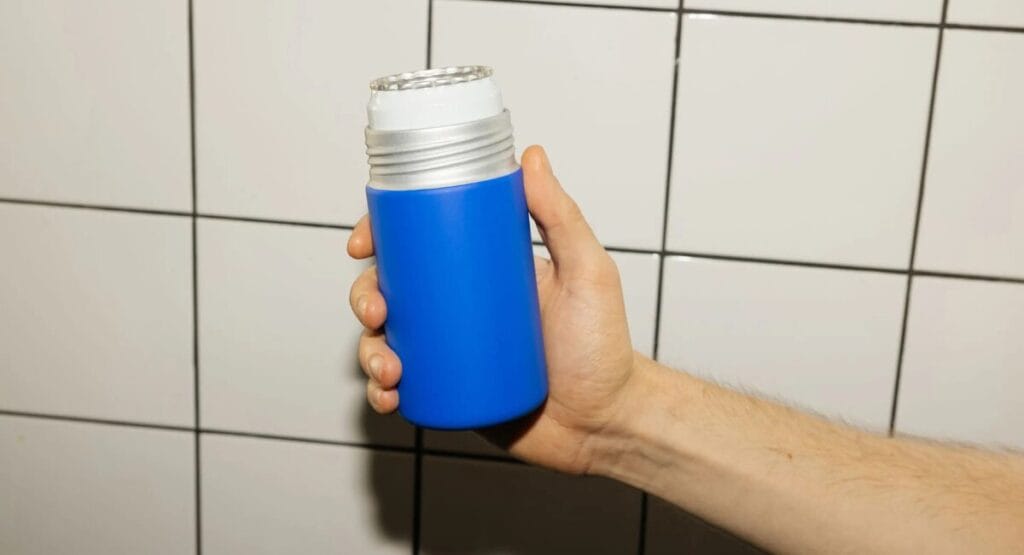
Meadow has set out to rethink packaging for everyday products such as shampoo, hand soap and cleaning products. The aim is to replace plastic packaging, which is often only recycled to a limited or inferior extent, with aluminium cans in these areas. The young company from Stockholm has developed a pre-fill system that integrates aluminium cans into reusable dispensers. The cans can simply be removed after use and completely recycled, while the dispenser can be used several times. In this way, Meadow wants to take a step towards a genuine circular economy.
In partnership with the can manufacturer Ball, one of the world's largest producers of aluminium packaging, and the technology company DRT, a system was created that is scalable and can be adapted to different brand requirements. Among other things, DRT contributed what is known as „daisy-top technology“, which is designed to facilitate opening, use and resealing. With this combination, Meadow aims to offer a solution that both fulfils consumer demands for sustainable packaging and meets the increasingly strict regulatory requirements, such as the planned EU recycling quotas from 2030.

The advantages of aluminium
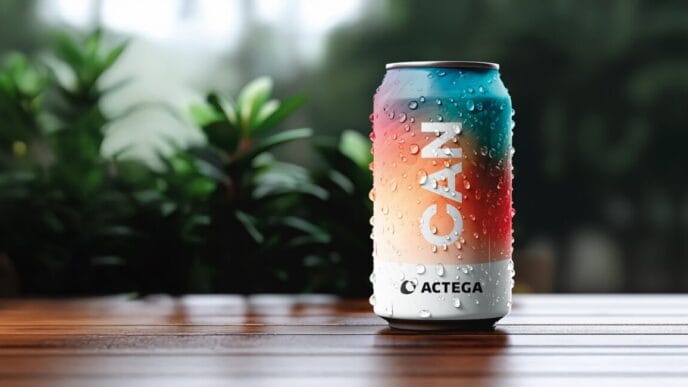
Aluminium is considered to be almost infinitely recyclable and, unlike plastics, hardly loses any of its quality with repeated recycling. It is lighter than glass, which saves on transport emissions, and it is robust, which virtually rules out leaks or breakage. According to figures from the British National Packaging Waste Database, more than 80 per cent of aluminium cans are recycled in Europe - the rate for plastic is significantly lower. For Meadow, this is a decisive lever for reducing single-use plastic and closing the material cycle.
The hurdles on the way to a breakthrough
Despite these advantages, there are several challenges that have so far prevented aluminium from replacing plastic on a large scale. The production of primary aluminium is very energy-intensive and therefore has a negative impact on the carbon footprint in the initial phase. Price is also a factor: according to industry figures, aluminium packaging can currently be up to four times more expensive than glass or plastic packaging, which makes it difficult to launch on a large scale.
Functional and design limitations also play a role. Aluminium is less flexible to shape, meaning that many packaging solutions that currently rely on squeeze functionality are not easily transferable. The lack of transparency of the material can also be a disadvantage for consumers if they want to see the colour or consistency of a product, for example. In addition, aluminium cans often have to be coated on the inside to ensure food safety or product protection. In turn, these coatings must themselves be recyclable so as not to undermine the circular economy.
Outlook: Vision with hurdles
With its innovation, Meadow is positioning itself as a pioneer for a new type of packaging concept that aims to reduce single-use plastic and increase recycling rates. The company wants to show that aluminium packaging is not only suitable for drinks, but can also be used in areas where plastic has dominated almost exclusively to date. However, whether aluminium really will become „the packaging champion“ of the future depends on several factors: falling production costs, the willingness of major brands to convert their existing lines and a change in awareness among consumers, who will have to accept new forms of packaging.
Meadow's vision is ambitious. It stands for a possible system change towards recyclable solutions, but this will not succeed without technological, economic and cultural challenges. Pilot projects should now prove that the idea works in practice and that aluminium can become a serious alternative to plastic packaging in the long term.
(All photos: Meadow)