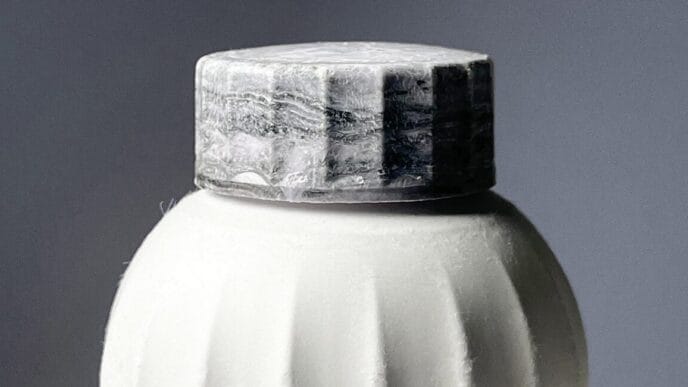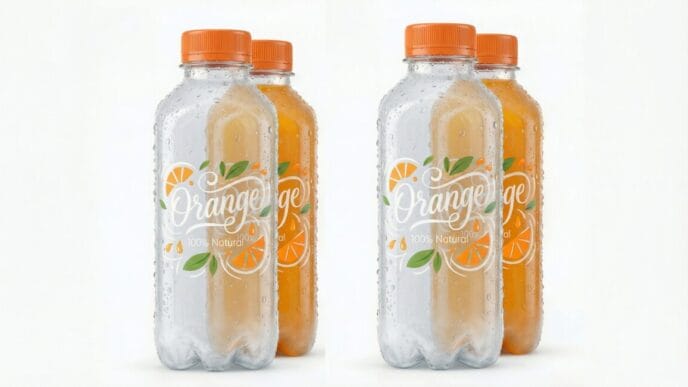
Metpack and BASF have jointly developed a packaging solution that combines paper-based food packaging with a home-compostable barrier coating. The certified innovation offers processors a new option for sustainable packaging concepts.
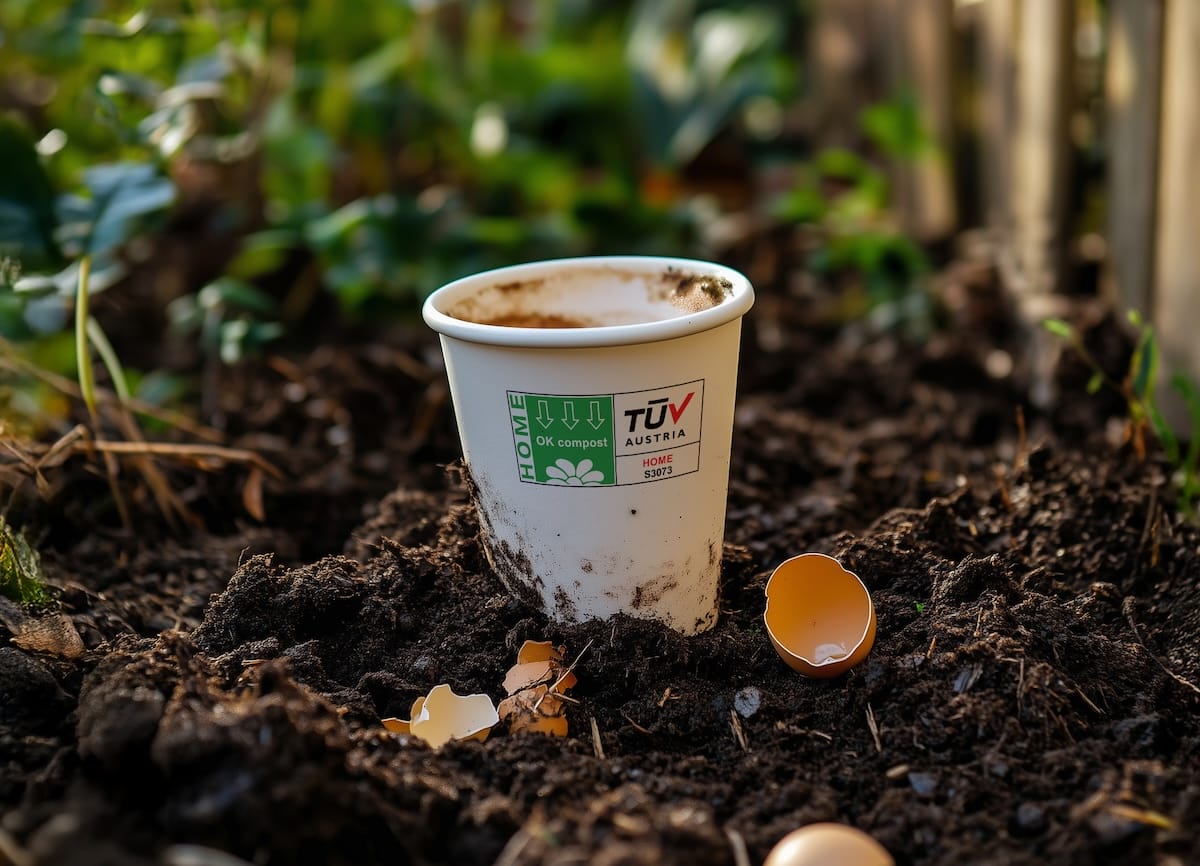
Paper packaging is considered to be ecologically favourable, but often reaches its limits when used with liquids or fatty foods. A new solution from the Turkish company Metpack in cooperation with BASF addresses precisely this challenge: the paper product „Ezycompost“, coated with the biopolymer ecovio® 70 PS14H6, is both approved for direct food contact and certified as home compostable in accordance with DIN EN 13432 and AS 5810.
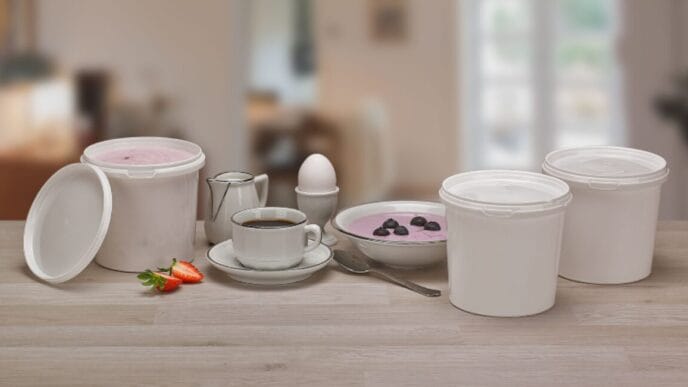
According to the manufacturer, the material offers a reliable barrier against liquids, grease, oil, mineral oil residues and temperatures up to 100 °C. It is therefore suitable for cups, bowls or containers for hot drinks, frozen goods or microwave applications.

Higher processing speed and flexibility for manufacturers
According to Metpack, the new coating offers several advantages over conventional materials such as PLA for companies that produce paper-based packaging on an industrial scale. For example, the barrier coating with ecovio® can be applied around 40 per cent thinner and at a comparable speed to polyethylene (PE) - which makes production more efficient.
According to BASF, the coating can be processed without adhesives in a mono or co-extrusion process on standard machines. It is also sealable, printable and suitable for grammages of up to 334 g/m².
Sühan Gürer, responsible for sales and product development at Metpack, explained that the new material offers the packaging industry a combination of classic strength and sustainability. It enables packaging with PE-like properties, but is compostable - without leaving behind long-lasting microplastics in compost or paper waste.
Focus on sustainability and end-of-life options
The biopolymer ecovio® 70 PS14H6 consists of 70-80 per cent bio-based raw materials. According to BASF, it can not only be used in home composting, but also industrially composted and recycled into paper. A biomass-balanced (BMB) version is also available for customers who want to further reduce their carbon footprint. Here, fossil raw materials are completely replaced by waste-based, renewable raw materials in the manufacturing process - according to BASF, this reduces the carbon footprint by around 25 per cent.
Michael Bernhard Schick from Global Marketing Biopolymers at BASF explained that the combination of functional barrier performance and certified degradability could help to strengthen organic recycling and close loops. The solution also makes it possible to use recycled paper for food packaging - an option that has hardly been explored to date.
Source: BASF