
The importance of sustainable packaging with great differentiation potential for brands continues to grow in the face of an increasingly globalised market. In the run-up to ProWein 2015, packaging journal asked Michael Prechtl, Country Group Executive of O-I in Central Europe, what the company's position is and how the growing challenges can be met.
O-I is one of the world's largest manufacturers of glass containers and is the preferred partner of many of the world's leading brands. Food and beverage manufacturers are increasingly asking for Convenience solutions and emphasise their brands through Customised look and feel of packaging beyond standard formats. This is one of O-I's outstanding strengths.
The company has more than 100 years of experience in the production of pure, more sustainable and brand-defining Glass packaging for many of the world's best-known food and beverage brands. The focus is on high-quality glass packaging for beer, wine, spirits, food and non-alcoholic beverages.

Michael Prechtl has almost 20 years of professional experience in the glass and food industry and a comprehensive understanding of the European market. Since the reorganisation of O-I's European business, he has been responsible for the Central European region with 950 employees in five plants in Germany and the Czech Republic.
The reorganisation will bring O-I closer to its customers in the markets so that it can meet their needs for sustainable and healthy glass packaging solutions more flexibly.

pj: Mr Prechtl, what expectations does the company have for the ProWine in March?
Michael Prechtl: This year we have organised a stand together with our partner Amorim. This is the Cork manufacturer, with whom we jointly develop the innovative Helix wine packaging have developed. We are delighted to be able to present this packaging solution to a wide audience in Germany for the first time. Two wine houses that already market their wines packaged in Helix will also be represented at the fair. We are convinced that the trade fair will result in further positive feedback on this first major innovation in wine packaging for many years, after we showed Helix wines for the first time in Düsseldorf in September 2014 as part of the Edeka-Zurheide Gourmet Festival.

pj: In your opinion, which packaging trends are decisive in the food and beverage sector? Are there any differences?
Michael Prechtl: We have noticed that there is a growing demand among consumers for high-quality and healthy food exists. This need is also reflected in the trend towards favouring packaging materials and packaging solutions that offer food the best possible protection against external influences. Consumers also appreciate sustainable packaging and solutions that offer them added value in terms of handling (convenience). In summary, we see these phenomena as a trend towards premiumisation.
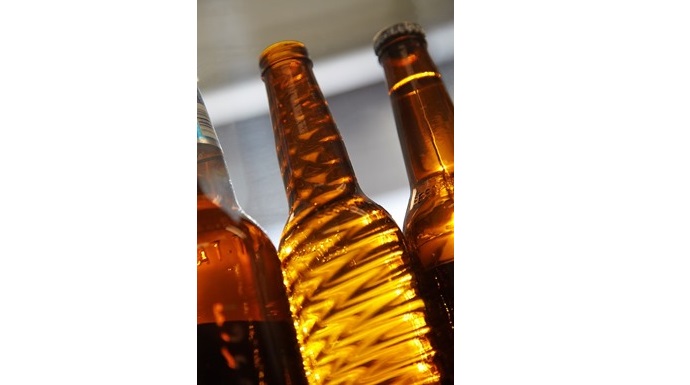
Food and beverage manufacturers are responding to this trend by offering their products in high-quality, sustainable and user-friendly packaging solutions offer. Packaging is increasingly being used to differentiate products from the competition and emphasise the brand message. Standard formats are often individualised for this purpose, with manufacturers using visual and tactile effects, for example.
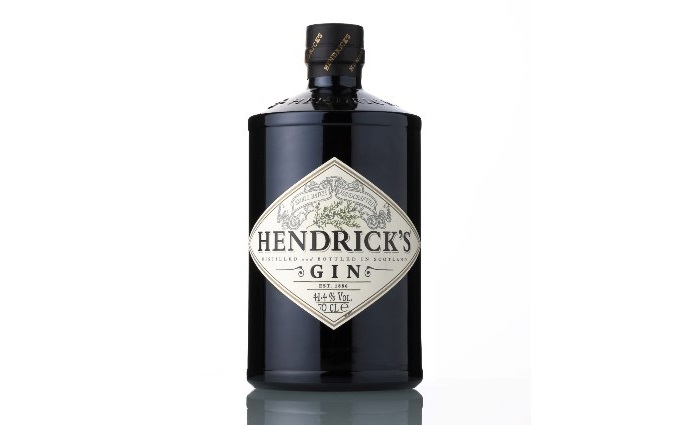
There are differences between the food and beverage sectors when it comes to premiumisation: While the premiumisation of food manufacturers tends to consist of opting for the higher-quality packaging material glass, for spirits it lies in unusual and often elaborate shapes and designs.
pj: What options does your company have to meet these challenges?
Michael Prechtl: We firmly believe that glass is the most suitable packaging material for beverages and food. For this reason, we also use exclusively on glass. This allows us to devote all our energy to the goal of offering innovative and sustainable glass packaging of the highest quality. This is what we have orientated our company towards: Our design teams work closely with our customers and develop new products together, also drawing on O-I's research centre in the USA.
In the past two years, 280 million euros have been invested in the Modernisation of the systems in Europe. These multi-million investments will continue in 2015, including at our plant in Rinteln. In addition, the European business has been restructured so that we are closer to our customers in the markets. Thanks to a country group structure, we can now operate much more flexibly than before.
pj: Which examples would you particularly emphasise?
Michael Prechtl: Together with the cork manufacturer Amorim, we have developed the Helix wine packaging solution, a wine bottle with a cork stopper. internal thread in the neck of the bottle so that the cork can be unscrewed without a corkscrew. This makes it particularly easy to close the bottle again.
We also set new standards in the convenience sector with our packaging solution VersaFlow the light and clean Pouring of sauces and dressings, for example. One very specific example is our cooperation with the smoothie and fruit juice manufacturer "truefruits", which only uses glass packaging and sees this as part of its brand identity. The jointly developed glass carafe won the 2014 German Packaging Award just this autumn.
pj: What role do Customised products in small piece sizes?
Michael Prechtl: An important role, especially for O-I. We specialise in Small series production in our plants in Holzminden and Rinteln, from where we supply the spirits industry, for example, with individual and sophisticated shapes and glass colours. In this way, we cover the entire spectrum from large-scale production to standard products and specialities for our customers.
pj: Glass is very popular with consumers because of many of its properties. How has energy-intensive production changed?
Michael Prechtl: Food has been packaged in glass for around 5,000 years. The manufacturing processes have remained essentially unchanged. Despite this long history, the possibilities for improving production processes are unlimited. This applies above all to the use of Recycled glass and the energy expenditure. Further optimising our processes in these areas is deep in our DNA: for example, the use of recycled glass during melting reduces CO2-balance of glass packaging. The recycling rate in Germany is currently around 87 per cent. This is in line with the basic principle of sustainable behaviour and is part of O-I's social responsibility. Furthermore, the Glass weight over the years, which of course has a very positive effect on the energy balance.