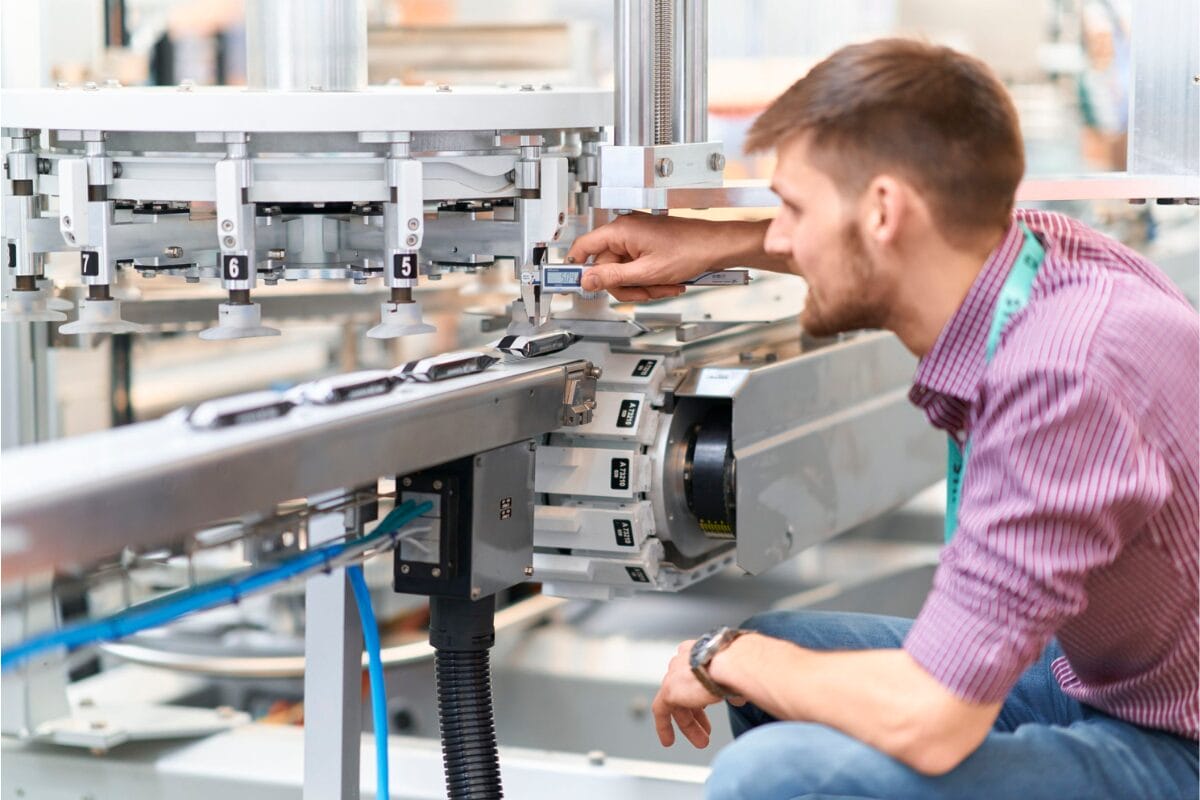
Food manufacturers need machines that maximise efficiency and performance in the long term. This only works if they are always at the cutting edge of technology. In many cases, modernisation is a good way to make existing systems fit for new challenges and regulations. Successful examples from Syntegon show how this can be achieved, particularly in the area of sustainability.
Machine downtimes, poor line utilisation, production losses: The effects of missed modernisation are as varied as the reasons. Needs recognised too late or obsolete components are just two examples of many. Even new market requirements such as trends towards smaller packaging sizes increase the need for modernisation. This calls for service partners who provide proactive advice and point out upcoming requirements.
PPWR as the current driver
Even if 2030 still sounds a long way off, there is already no way around the European Union's Packaging & Packaging Waste Regulation (PPWR). It currently applies to food manufacturers, initiate the transition to more environmentally friendly and PPWR-compliant packaging. The „paper-ON-form“ retrofit kit from Syntegon is an example of how this change can already be achieved today with existing machines.

Confectionery in particular, such as chocolate bars, biscuits and baked goods, are usually marketed in plastic film packaging. However, thanks to the latest material research, there are now also Papers that are made from up to 90 per cent natural fibres and are recyclable, protect sensitive contents just as well and are much kinder to the environment. Mondelēz International, for example, known for its Cadbury chocolate bars, also relies on this. The special shape poses an additional challenge: It is narrower than conventional bars and also very flat, which makes it difficult to process. With the paper-ON-form moulding shoulder, a Solution for existing machines which processes many different formats without compromising on output rates.
Material tests under real conditions
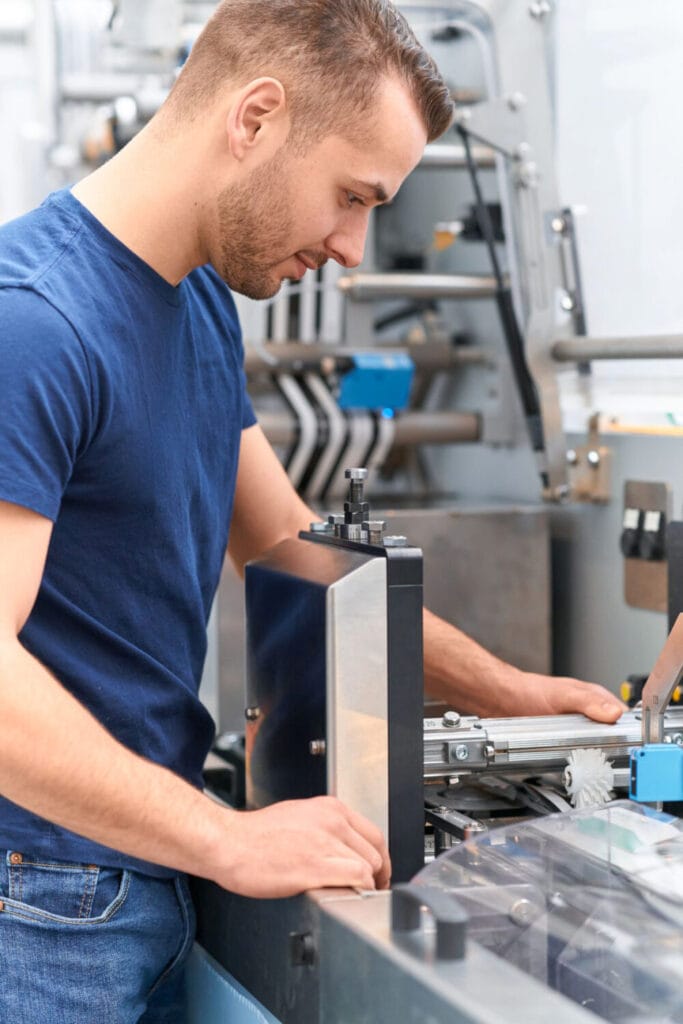
With paper-ON-form, manufacturers can easily and comparatively cheaply switch to sustainable, PPWR-compliant packaging. paper-ON-form forms tubular paper bags without creasing or tearing them. Extensive tests have Reliable output rates without loss of speed resulted. This has Syntegon has proven itself, that paper tubular bags can keep up with the machine performance of plastic tubular bags. The moulding unit and sealing tools can be used for different types of paper, regardless of the thickness and manufacturer.
However, further details need to be clarified in order to achieve PPWR-compliant packaging. Although the regulation provides a clear framework, it still leaves many questions unanswered. For example, the specifications for „design for recycling“ have not been finalised, meaning that choosing the right future packaging for their product is a challenge for many manufacturers. Syntegon has therefore, among other things specialised in efficient material testing, which help to determine the optimum design for each product. Together with the customer Comprehensive analyses and material tests carried out in in-house laboratories, suitable materials and then tested them under real conditions on the packaging machine. Numerous leading food manufacturers have already utilised this service.
Beyond PPWR borders
Even if they are not affected by the PPWR, there are also numerous initiatives for recyclable packaging on other continents. Chocolate bars sold in Australia such as Mars and Snickers from Mars Wrigley, for example, are to be packaged in recyclable, reusable or compostable materials by 2025. To this end, the company invested two years in research and development at its site in Ballarat and, with the support of Syntegon, developed a sustainably sourced and FSC-certified paper that can be processed on existing packaging machines using paper-ON-form. In addition to the environment, consumers were also at the centre of the project right from the start: not only should the packaging be as easy to recycle as possible, but it should also not incur any additional costs.
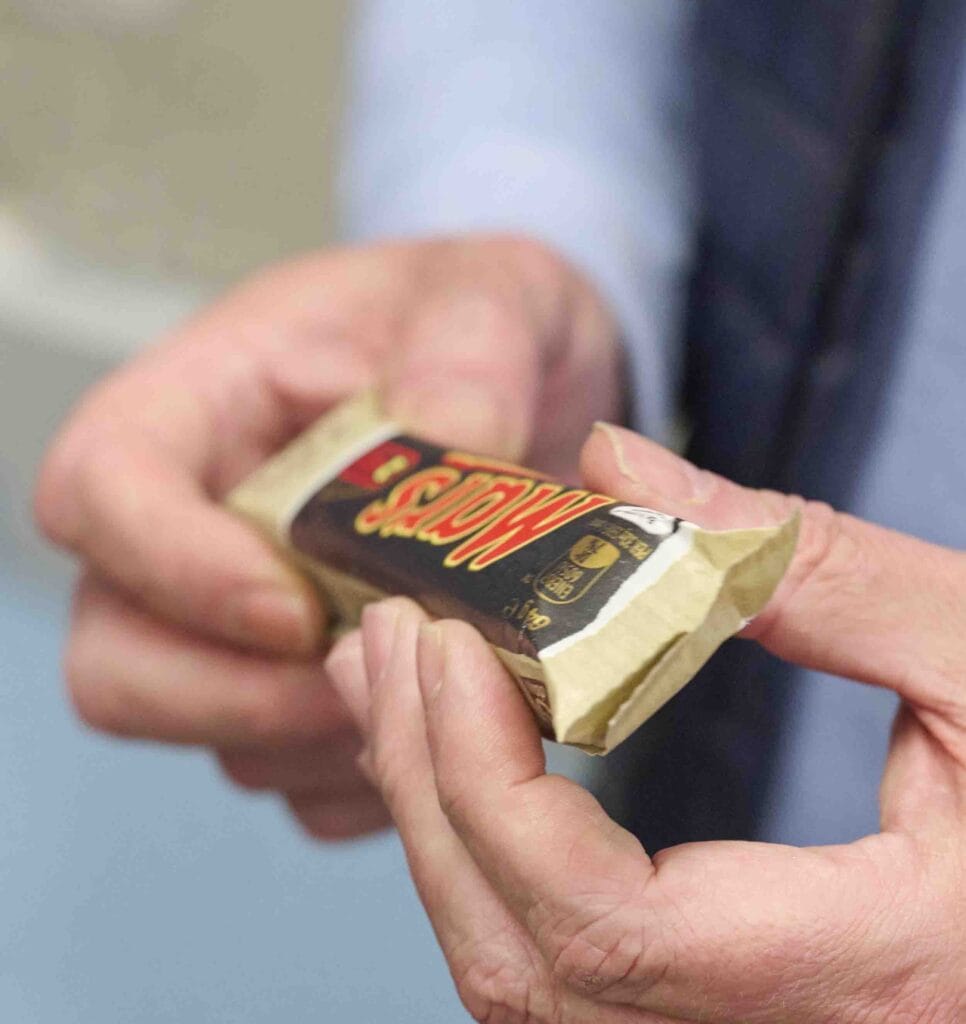
(Image: Mars Wrigley Australia)
Far beyond the packaging
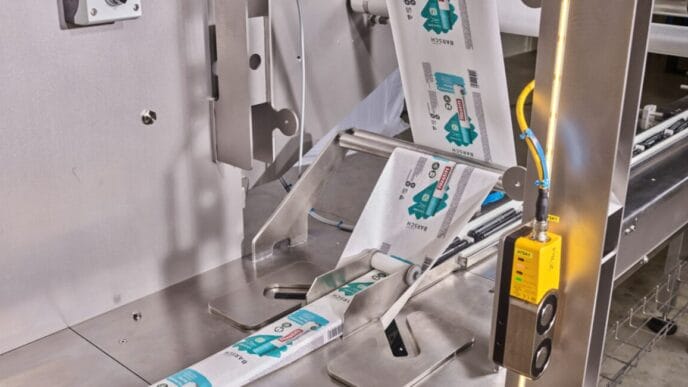
However, sustainability does not end with packaging material. Syntegon supports customers with numerous other modernisation offers to make their production processes more sustainable and save resources in production. Manufacturers can easily retrofit their flow-wrapping machines with a knife system for film gluing, for exampleThe precision cutting unit enables a seamless transition to the new film roll and can be integrated into machines that are already equipped with automatic film roll changers. When the current film roll comes to an end, the system ensures that the process continues without interruption and minimises material loss.
The use of materials such as adhesive can also be reduced in case of case packers. By modernising the glue head, manufacturers can switch from line to dot application and Reduce adhesive consumption by up to 60 per cent. In addition, the dot bonding increases the adhesive strength through better heat distribution and thus also the safety of the packaging.
Sustainable future prospects
Last but not least, digital solutions such as software upgrades can increase the sustainability of processes. The „Uptime“ and „Empower“ packages of the Synexio cloud-based solution for example, offer an evaluation of energy consumption and waste volumes and their impact on CO2-emissions and the overall system effectiveness. On this basis, optimisation potential can be identified more quickly and in a more targeted manner. Life cycle assessments (LCA) offer a further lever. With its software-based calculation model certified by TÜV Rheinland, Syntegon Analyse energy consumption and emission values along the entire machine life cycle.
Of course, the need for new machines will continue to exist, especially if a conversion would entail similar costs to a new purchase or if an older system can no longer be brought up to the latest state of the art. But it is always worthwhile relevant parameters together with a competent partner under the microscope.