For the first time, Neste and LyondellBasell have simultaneously produced bio-based polypropylene (PP) and bio-based low-density polyethylene (PE) on a commercial scale. This was announced by the two listed companies on 18 June 2019. The Melitta subsidiary Cofresco is reportedly planning to develop sustainable food packaging made from the PE material.
The cooperation project combined Nests, which has established itself as the world's leading manufacturer of renewable diesel from waste and residual materials, and the global plastics, chemicals and refinery company LyondellBasell shared their expertise. Neste contributed the renewable raw materials, LyondellBasell the technical expertise. The result was the production of several thousand tonnes of bio-based plastics, for Food packaging are authorised. From now on, LyondellBasell will market these under the names „Circulen“ and „Circulen Plus“. According to LyondellBasell's vision, Circulen will become a new brand family for circular economy products.
„We are very pleased to see that Neste's renewable hydrocarbons work perfectly in the commercial production of bio-based biopolymers, making them a fully-fledged substitute for fossil-based materials. The collaboration with LyondellBasell is a milestone in the development of our Polymers and Chemicals business, which develops renewable and circular solutions for future-oriented, sustainable brands.“
Peter Vanacker, President and CEO of Neste.
„Steamcracker“ in Wesseling plays a key role
The renewable Hydrocarbons from Neste are made from sustainable, bio-based raw materials such as oil from waste and residues. LyondellBasell has the „Steamcracker“ in Wesseling, Germany, has a system with which the Neste raw materials can be processed without dilution. In the Polymer plants The monomers are then converted directly into biobased polyethylene and biobased polypropylene in the Rhineland.

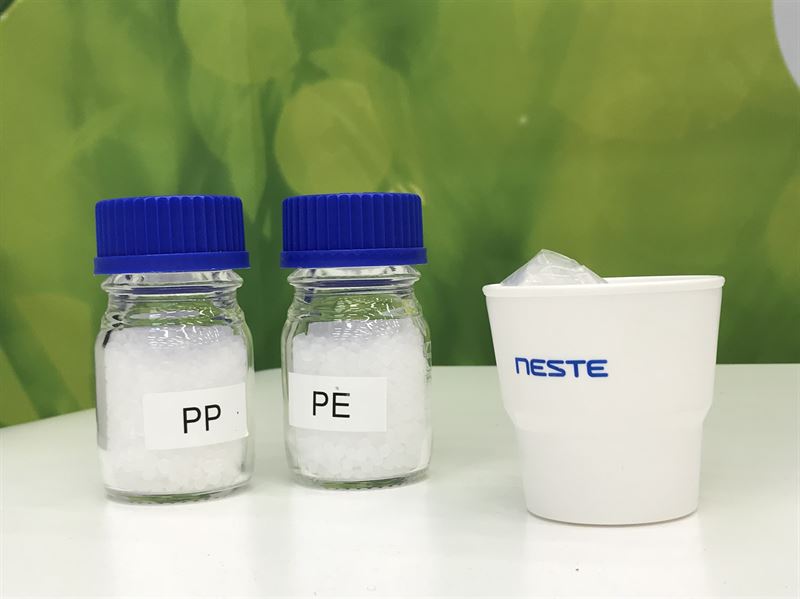
The products produced in this way PE and PP products however, are not made from 100 per cent recycled materials. An independent body tested the product with the help of Carbon Tracers and confirmed a renewable component content of over 30 per cent, however, according to Neste.
Success shows concrete opportunities for the circular economy
„A success like this is an example of how we support a circular economy in concrete terms. By utilising renewable raw materials, we are making a contribution to Climate protection and help our customers achieve their environmental goals,“ says Richard Roudeix, Senior Vice President of Olefins and Polyolefins for Europe, Asia and International at LyondellBasell, describing the advantage of the new process.
The Melitta-daughter Cofresco has already purchased parts of the material produced during the test series, writes Neste. Cofresco produces household films known under the brand names Toppits and Albal. The company now wants to use the bio-based PE materials to develop sustainable food packaging.
[infotext icon]For further information on the LyondellBasell site in Wesseling, please contact here.
[/infotext]