BASF and its partners are working on an improved method for the mechanical recycling of plastics. As part of the SpecReK research project, funded by the German Federal Ministry of Education and Research (BMBF), spectroscopic technologies and artificial intelligence (AI) are being used to precisely analyse plastic waste and improve its quality. The aim is to strengthen the circular economy for plastics.
The BMBF-funded SpecReK (Spectroscopic Investigation of the Recycling of Plastics) project aims to reliably and precisely identify the composition of plastic waste during the recycling process and to optimise the recycling process. Improve the quality of recycled plastic. State-of-the-art measurement methods combined with artificial intelligence (AI) will be used.
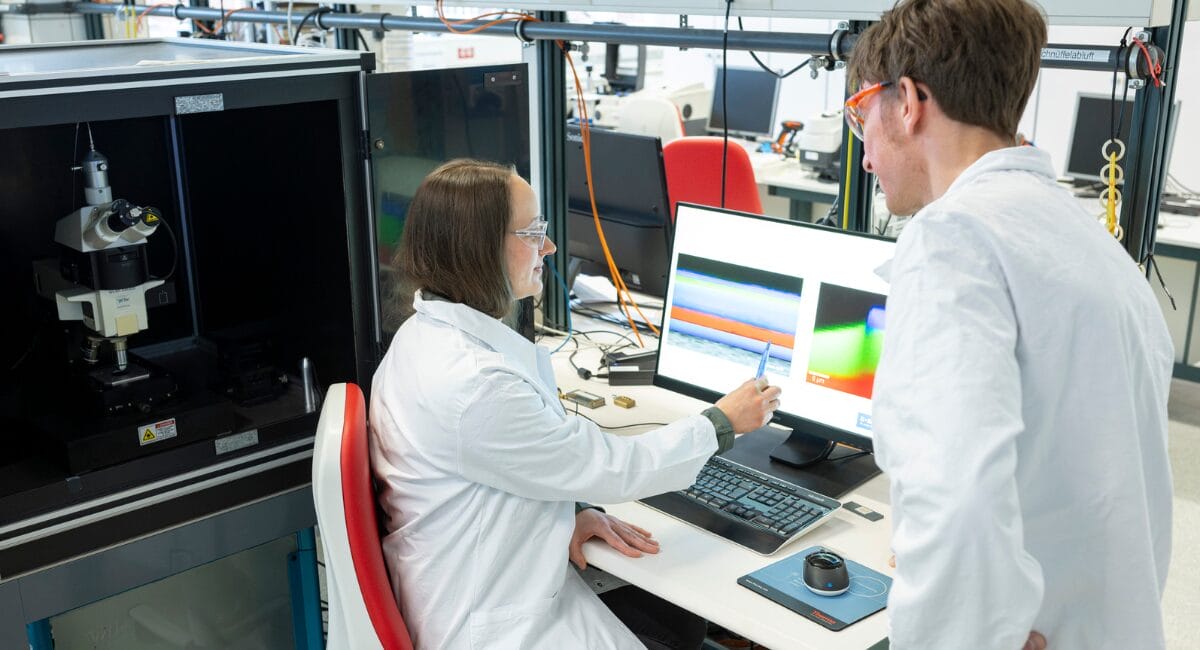
In their project, the researchers are focussing on Spectroscopic methods. These utilise the interaction of light and material to obtain information about the chemical structure of the recycled plastics. In this way, the project partners hope to determine in real time which types of plastic, additives and impurities make up the material during processing. In the next step, a AI algorithm recognises patterns in the measurement data and suggest which other components should be added or how the recycling process should be adapted to improve the quality of the recycled plastic.

„At the moment, we don't have the necessary analytical tools to determine exactly which components the mechanically recycled plastic contains during the manufacturing process. In the future, we will be able to use more mechanically recycled plastics to manufacture high-quality products and make the recycling process more efficient and sustainable.“
Dr Bernhard von Vacano, Head of the Plastics Circularity research programme at BASF
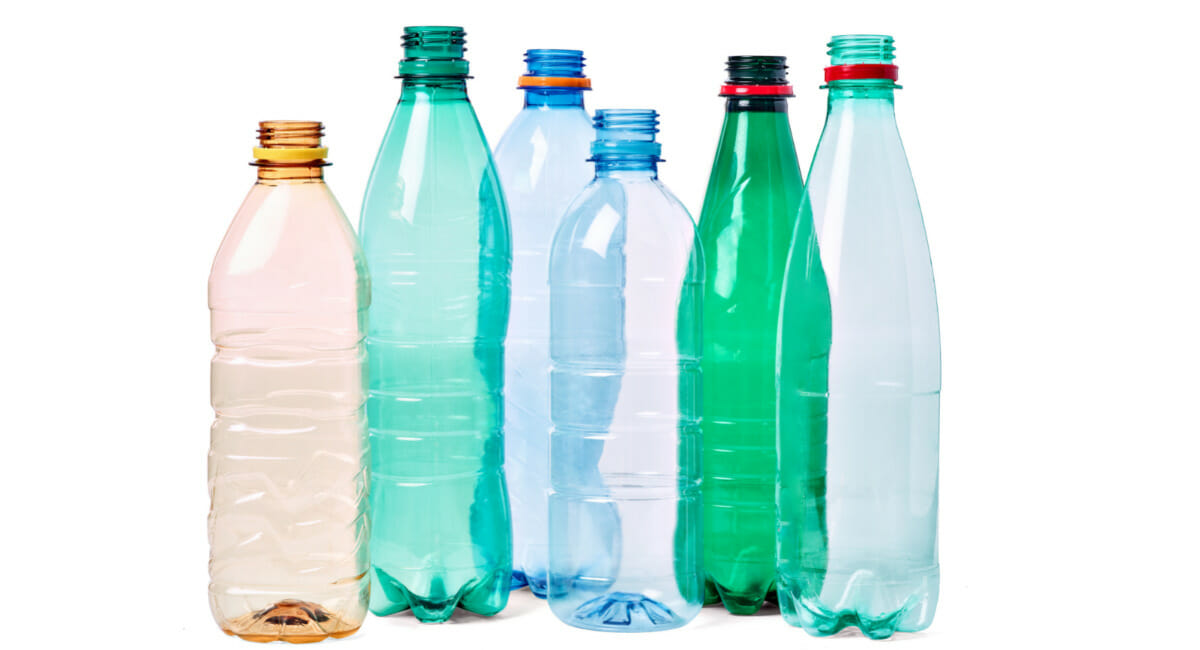
The majority of plastic waste that goes into the recycling process today is currently recycled mechanically. The waste is collected, sorted, shredded, cleaned and then melted down. The melt contains different types of plastic, additives and impurities, depending on the source material and the sorting process. Therefore the quality fluctuates in many cases of the recovered material and it is not always sufficient to produce high-quality plastic products from it again.
„With the increasing demand for high-quality recycled materials, it is crucial under the current legal requirements to precisely understand the material properties and composition of mechanically recycled plastic waste and to optimise the process. This will strengthen the circular economy.“
Dr Bernhard von Vacano
BASF is collaborating with Endress+Hauser, TechnoCompound, the University of Bayreuth and the Friedrich Schiller University in Jena on the joint project. The project volume totals 2.2 million euros. The BMBF is financing two thirds of the project with funding from the Quantum Systems research programme, while the project partners are providing one third.
Chemical and mechanical recycling
If mechanical recycling of plastic waste is not technologically possible or too costly, plastics can also be returned to the material cycle through chemical recycling. Both recycling processes, chemical and mechanical, are important for a functioning circular economy and complement each other. BASF is therefore working on both recycling processes in order to continuously develop them further.
Source: BASF