Particularly in times of corona, retailers and consumers attach great importance to the hygienic packaging of food and medicines. The Weidhausen-based company Verpa Folie produces packaging films in internationally certified „high hygiene quality“ that are 100 per cent recyclable. The company has therefore been categorised as „systemically relevant“.
Life has changed in many ways since corona. While it used to be quite common to pick up unpackaged fruit in the shop and examine it carefully, this is now an absolute „no-go“. Hygiene is a key purchasing criterion.
The demand for safe packaging for food and medicines is correspondingly high. Customers currently much prefer to buy hygienically wrapped heads of lettuce instead of open goods. Just a few weeks ago, critics were declaring war on plastic packaging across the board, but now lightweight and safe packaging made from recyclable plastics is at the top of the popularity scale.

„When it comes to hygiene in particular, plastic packaging is unbeatable and, in our view, unrivalled for packaging medicines and food. Thanks to their material properties, they are ideally suited to preserving perishable foods for longer - the best example of this is the cucumber. Today, people tend to forget how much unpackaged food has to be thrown away because it spoils more quickly. This can be drastically reduced by using plastic packaging. Plastic packaging protects against moisture and contamination. They are extremely flexible and can be adapted to the packaged products, and they are many times lighter than cardboard or glass. This means that they cause significantly lower CO2 emissions in comparison. Disposable plastic packaging is the first choice, especially when it comes to hygiene.“ André Baumann,Managing Director of the Weidhausen-based company Verpa Folie.
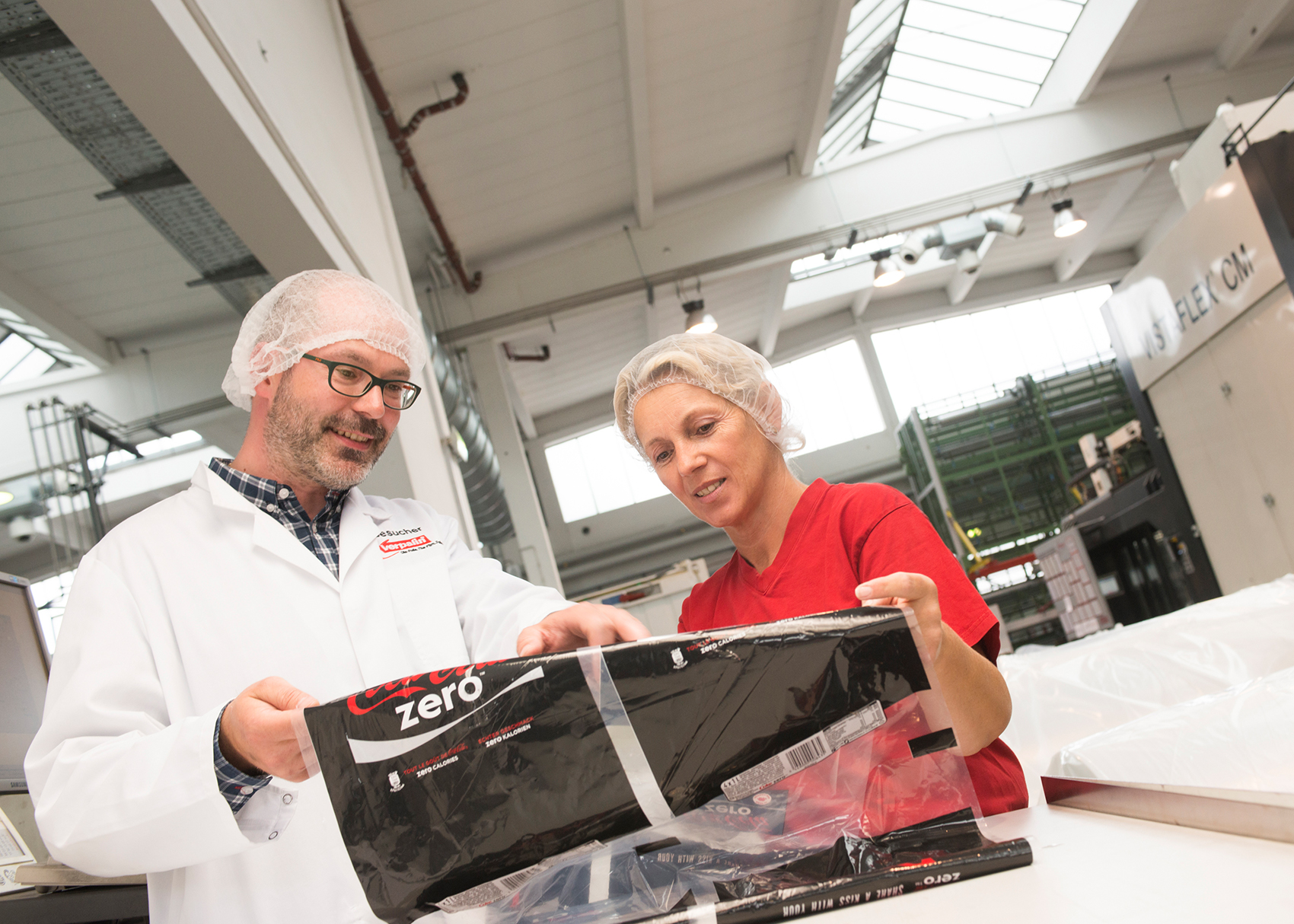
The production of packaging materials that meet the highest demands of the food and pharmaceutical industry in terms of safety and hygiene is one of the core competences of the internationally active packaging film manufacturer Verpa Folie. The company has now been awarded top marks in the high hygiene category of the strict global standard of the BRC (British Retail Consortium) and recertified.
The family-owned company's production sites in Gunzenhausen (Franconia) and Wroclaw (Poland) were scrutinised. Both sites were categorised in the highest class, „AA“.
„Our company has been BRC-certified since 2012 and undergoes regular audits. Our production meets the highest requirements. Verpa Folie therefore makes a significant contribution to security of supply in Germany. For this reason, we have been categorised as systemically relevant by the Federal Ministries of Health and Food.“ André Baumann,Managing Director of the Weidhausen-based company Verpa Folie.
You encounter Verpa film products everywhere in everyday life
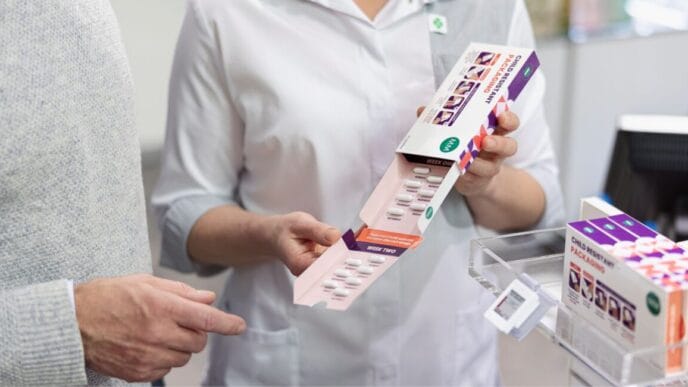
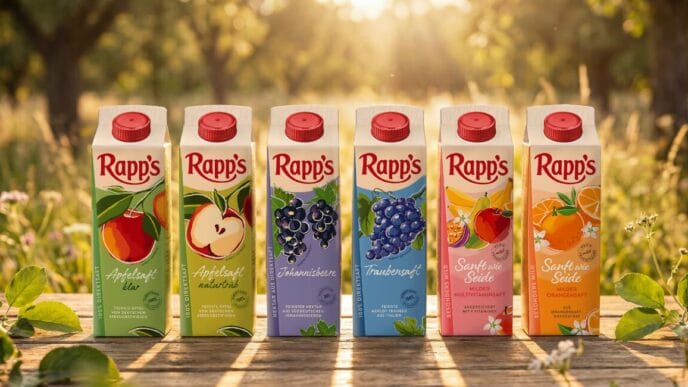
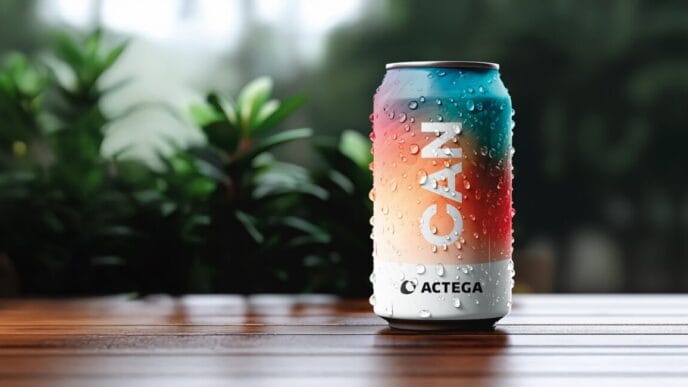
As packaging material for furniture or refrigerators, but also as shrink film around drinks bottles. Verpa film protects Frozen vegetables, baked goods, butter and margarine, frozen and fresh meat, salad, cheese, sausage and vegetables in the PVC-free „diamond film“. Verpa Folie also produces high-quality blister packaging for medicines and the opaque mailing bags in which online purchases are delivered.
Verpa film combines the production of plastic packaging with environmental and climate protection
Since it was founded 40 years ago, the company has set itself the goal of producing the thinnest and therefore most resource-efficient polyethylene (PE) films on the market. Today, the Upper Franconian technology driver can produce films that are just six micrometres (µm) thick. By comparison, an average hair is 60 µm thick and a grain of sand is 90 µm thick. Verpa Film also scores highly with products made from regenerates as well as bio-based and biodegradable films.
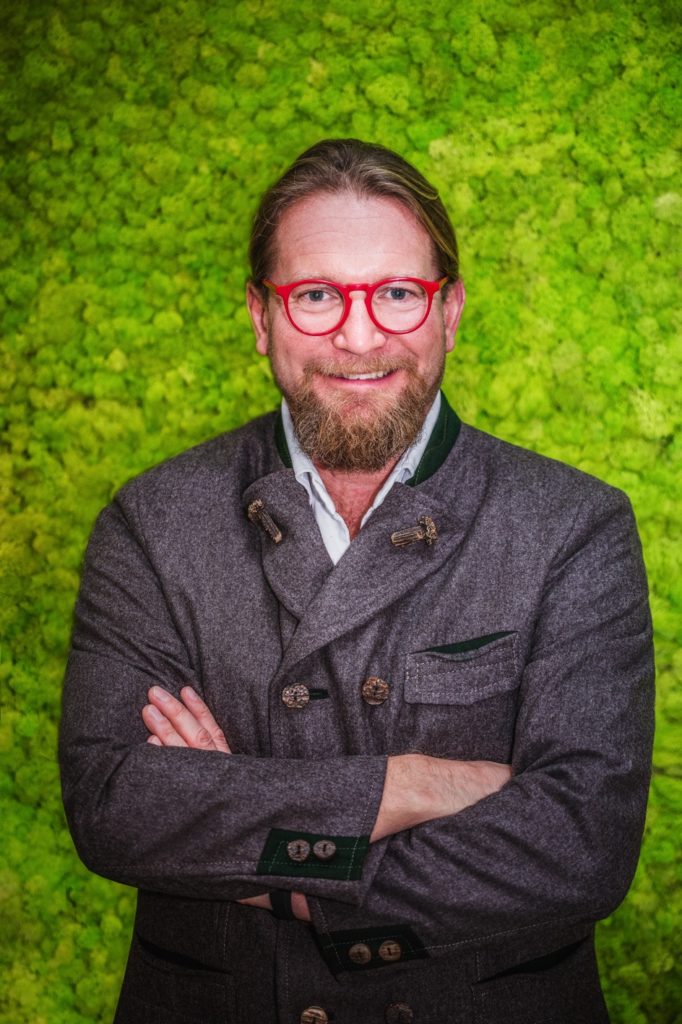
„Our credo is: as much packaging as necessary - and as little as possible. We want to protect products and consumers with our packaging materials - but we also have the environment and the climate in mind. As an innovation leader for reduced-starch and sustainable film technologies, we are at the forefront of the market. Our film packaging is extremely versatile and far superior to other packaging materials, particularly due to its low weight. And our films are 100 per cent recyclable.“
The Managing Director emphasises: „From our point of view, film as a packaging material will remain unbeatable in the future, i.e. after corona. The important thing is to handle it with care: using resources sparingly during production, collecting it by type and carefully recycling the valuable raw materials. That's what we stand for.“
Source: Missed slides