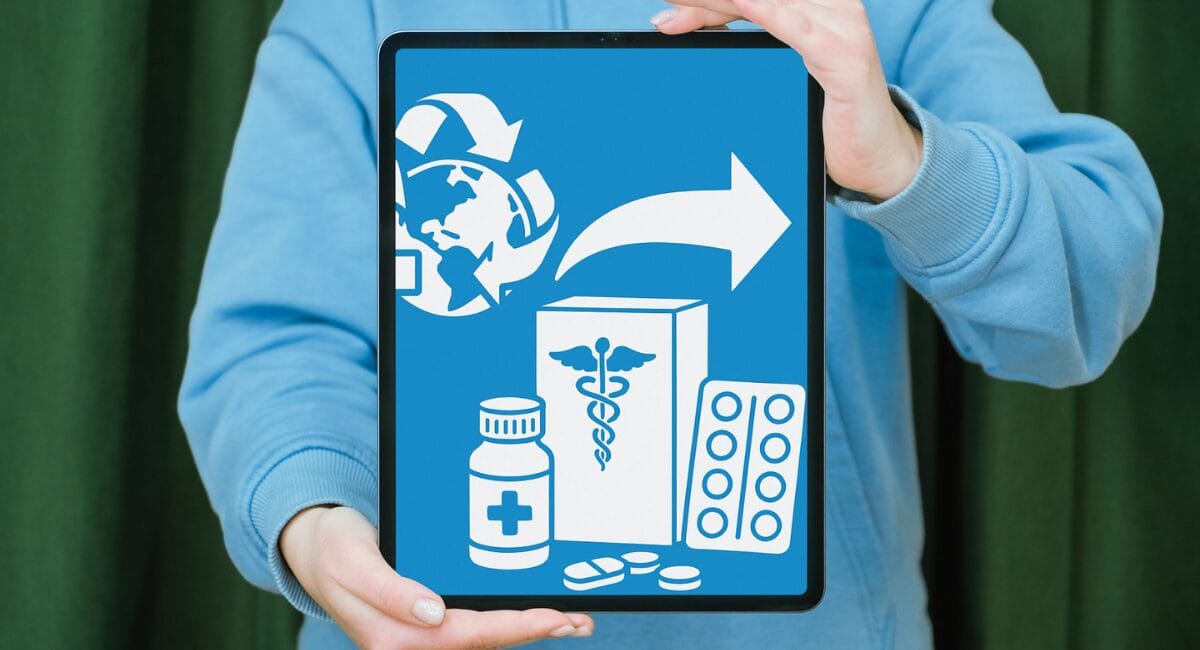
A new report by Systemiq and Eunomia ("A prescription for change") focusses on the role of packaging in the healthcare sector.
Alongside gloves, infusion bags and protective clothing, sterile plastic packaging for medical devices and medicines is one of the seven largest categories of single-use plastic. This group alone contributed significantly to the total of 2.1 million tonnes of single-use plastic generated in the healthcare sector in Europe and North America in 2023, according to the report. The study shows that packaging is not only a logistical necessity, but also a decisive starting point for greater resource efficiency and a circular economy.
Packaging in the medical sector has strict safety and sterility requirements, which has so far made it difficult to replace or recycle. Nevertheless, the report sees great potential: lighter designs, paper-based peel pouches and the targeted use of bio-based or lower-CO₂ materials could significantly reduce the proportion of plastic. Reuse, where practicable, and better sorted waste streams for low-contamination packaging are also among the proposed levers. Examples from the UK and France show that such approaches are already being tested and do not have to compromise safety.

Binding targets and incentives for manufacturers and clinics
The authors emphasise that packaging should not be considered in isolation, but rather in conjunction with procurement, waste management and regulatory requirements. Precisely because medical packaging is often exempt from general recycling requirements, it is crucial to set binding targets and incentives for manufacturers and clinics. In this way, packaging could be transformed from a burden into a lever for sustainability and cost reduction.
Source: Systemiq/Eunomia