
From 5 to 14 August, more than 170 countries are negotiating a legally binding global agreement to combat plastic pollution in Geneva. The agreement could also have far-reaching consequences for manufacturers and processors of plastic packaging in Germany. Industry associations such as IK, GKV and Plastics Europe are calling for international standards, but warn against overly rigid production restrictions.
More than 460 million tonnes of plastic are produced worldwide every year, much of it for packaging. Most products are difficult to recycle, meaning that plastic waste continues to pollute the oceans, soil and even the human body. The United Nations has therefore been negotiating a binding agreement since 2022 to regulate the entire life cycle of plastics - from production to disposal. The aim is to adopt a treaty by the end of 2025 that will initiate a turnaround.
The decisive phase is now approaching in Geneva. The main points of contention are possible upper limits for global plastics production. While the EU, Norway and Rwanda are calling for binding reduction targets, resource-rich countries and major plastics producers are rejecting these and are instead focussing on innovation and improved waste management. Germany is playing a key role, leading one of the negotiating groups and focussing on qualitative targets: Design standards, the use of recyclates and international rules for product passports are to be introduced worldwide.

„Our environment is being damaged in an unacceptable way and valuable resources are being wasted. A legally binding agreement offers the opportunity to finally effectively reduce the discharge of plastic waste into the oceans.“
(Dr Oliver Möllenstädt, Managing Director of the GKV)
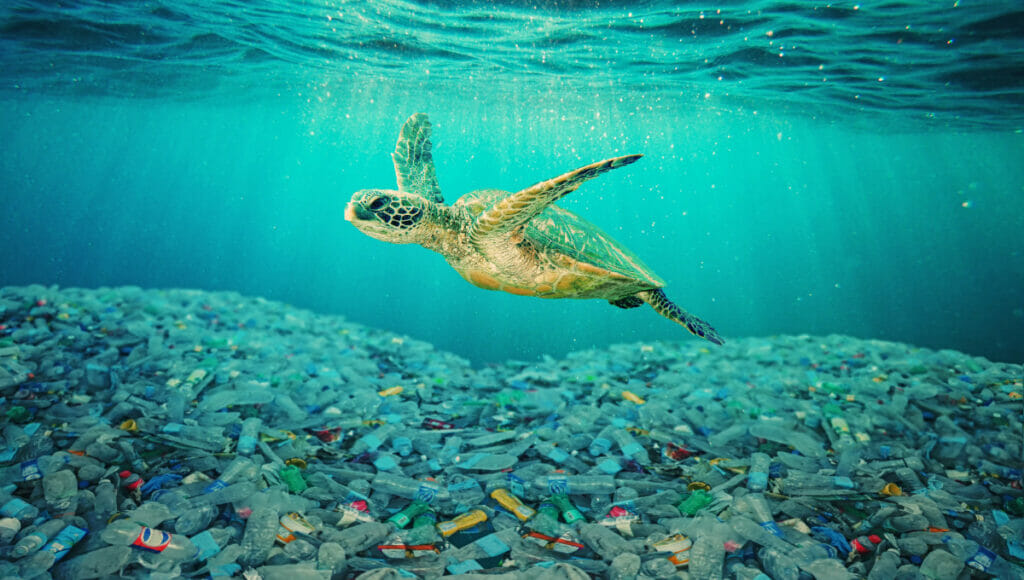
What the German packaging industry expects
For manufacturers and processors of plastic packaging, the planned agreement means one thing above all: more international regulation and greater responsibility along the entire supply chain. Requirements for recyclable design, minimum quotas for recycled material or export rules for plastic waste could apply worldwide in future. Financing mechanisms via extended producer responsibility (EPR) are also under discussion - producers are to share more of the costs for collection and recycling.
The General Association of the Plastics Processing Industry (GKV) sees opportunities in the agreement, especially if it succeeds in effectively reducing the discharge of plastic waste into the oceans and the environment at source. „Our environment is being damaged in an unacceptable way and valuable resources are being wasted,“ said GKV Managing Director Dr Oliver Möllenstädt. „A legally binding agreement offers the opportunity to finally effectively reduce the discharge of plastic waste into the oceans.“
Also Plastics Europe Germany is following the negotiations closely. The association, which represents major plastics producers in Europe, is calling for a global set of rules that creates a level playing field for all. According to the association, the agreement must above all promote the expansion of waste management and recycling infrastructures. „Production bans alone will not solve the problem,“ it said in a statement. Instead, investments in collection and recycling systems are crucial to prevent plastics from entering the environment.
The Industrial Association for Plastic Packaging (IK) supports international rules, but calls for practicable solutions. A globally coordinated framework could harmonise standards, which currently vary greatly from market to market, and thus create legal certainty for investments in recycling technologies. Plastics Europe emphasises that the focus must be on the circular economy and infrastructure investments rather than solely on production restrictions. „Focusing solely on the waste problem is not enough,“ the association said recently. Globally functional waste utilisation systems are a prerequisite for sustainable change.
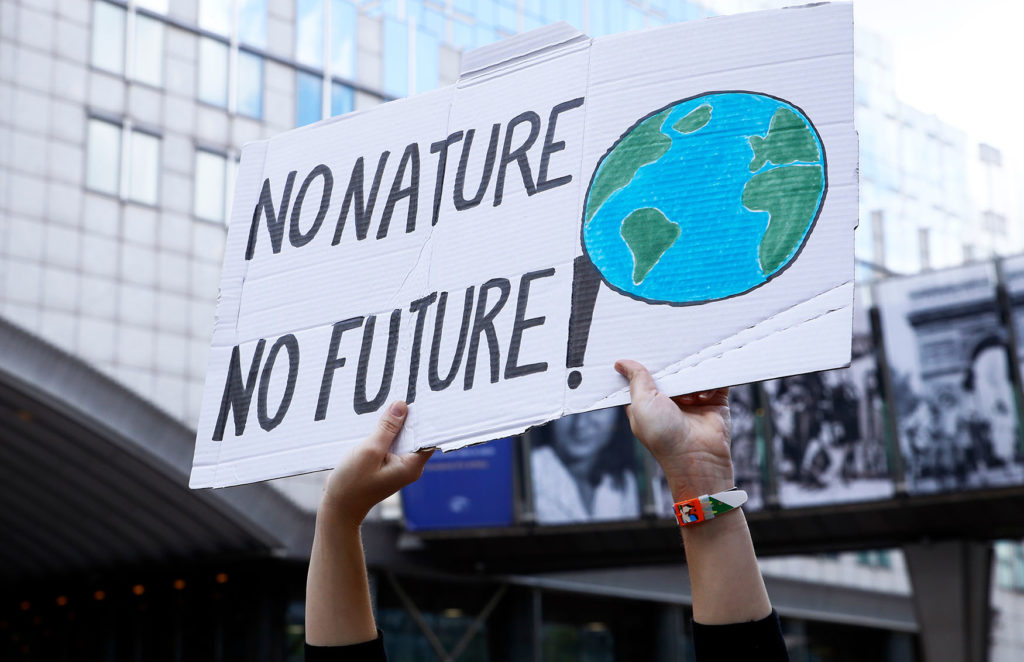
Both an opportunity and a challenge
For German packaging manufacturers and processors, a UN agreement could lead to greater planning security and fairer competitive conditions if the same rules apply worldwide. At the same time, additional obligations in terms of design, documentation and financing are to be expected. Increasing costs due to possible production restrictions or stricter bans on chemicals cannot be ruled out either.
It remains to be seen whether a breakthrough will be achieved in Geneva. There are still many points of contention, from dealing with problematic chemicals to global design standards and financing issues for developing and newly industrialising countries. If a treaty text is finalised by the end of the year, countries such as Germany would have to ratify it and transpose it into national law. This would further increase the requirements for recyclable packaging solutions for the industry - at the same time, it could open up new opportunities for companies that focus on sustainable innovations at an early stage.