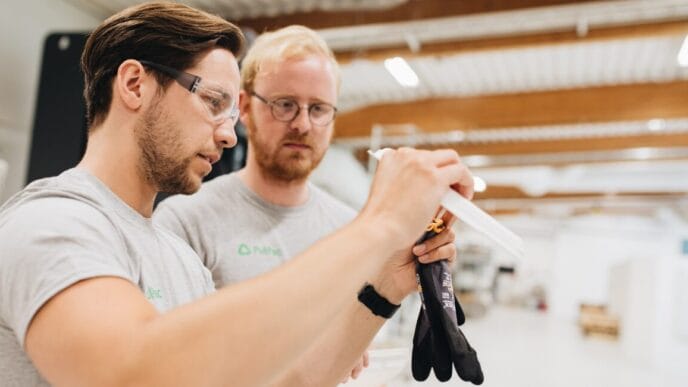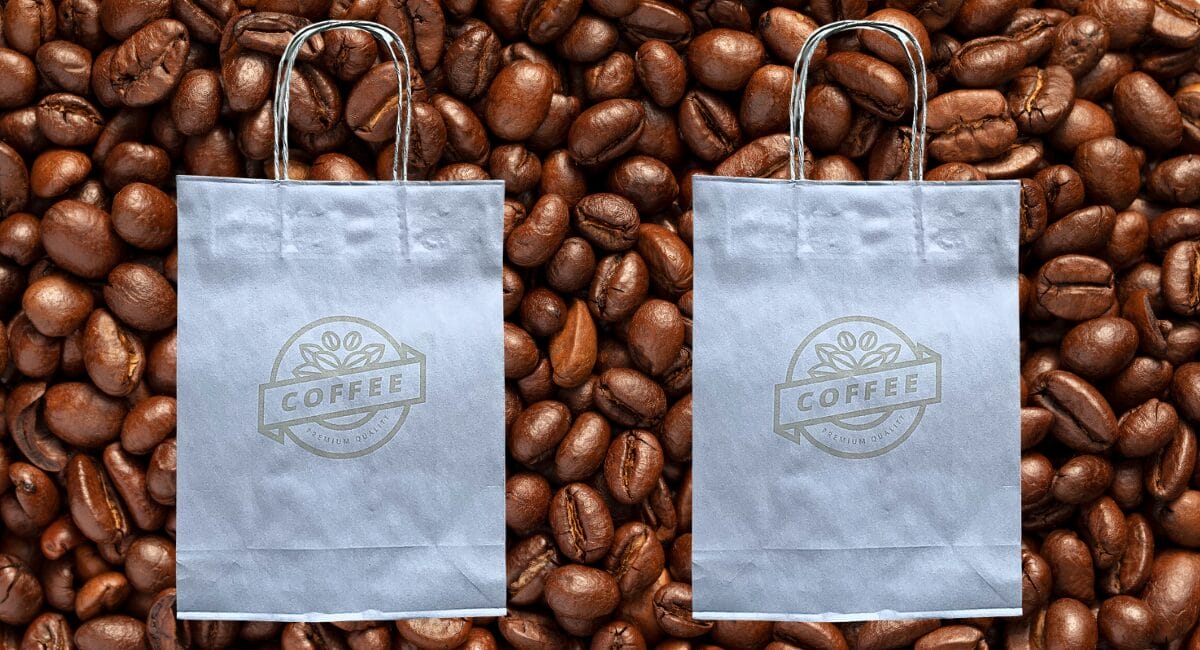
In a joint project, the start-up Natural Indigo Finland and Tampere University of Applied Sciences have developed a bio-based packaging ink made from coffee grounds. The ink has been successfully tested in flexographic printing on fibre-based materials and represents a potentially recyclable alternative to conventional pigments.
Coffee grounds as a resource for sustainable packaging solutions: What sounds unusual at first became a reality as part of a one-year pilot project in Finland. Supported by the coffee roasting company Meira Oy, Natural Indigo Finland and the TAMK University of Applied Sciences developed a water-based printing ink that consists of 100 per cent renewable raw materials. The speciality: The pigment source is a by-product of industrial coffee roasting - a substance that has hardly been utilised in food processing to date.
Raw material utilisation instead of waste
For the project, Meira utilised coffee grounds that are produced in large quantities during roasting. These by-products contain natural colourants, which were extracted in a specially developed process and then used as a basis for the production of ink. After pigment extraction, the remaining coffee grounds are composted or used in local agriculture - a further contribution to resource utilisation in the sense of the circular economy.

Meira itself has already significantly reduced the carbon footprint of its production by utilising coffee grounds. According to the company, the energy recovery of the waste saves around 77 tonnes of CO₂ per year - an effect that could now be further increased through additional material use.
Application successfully tested in packaging printing
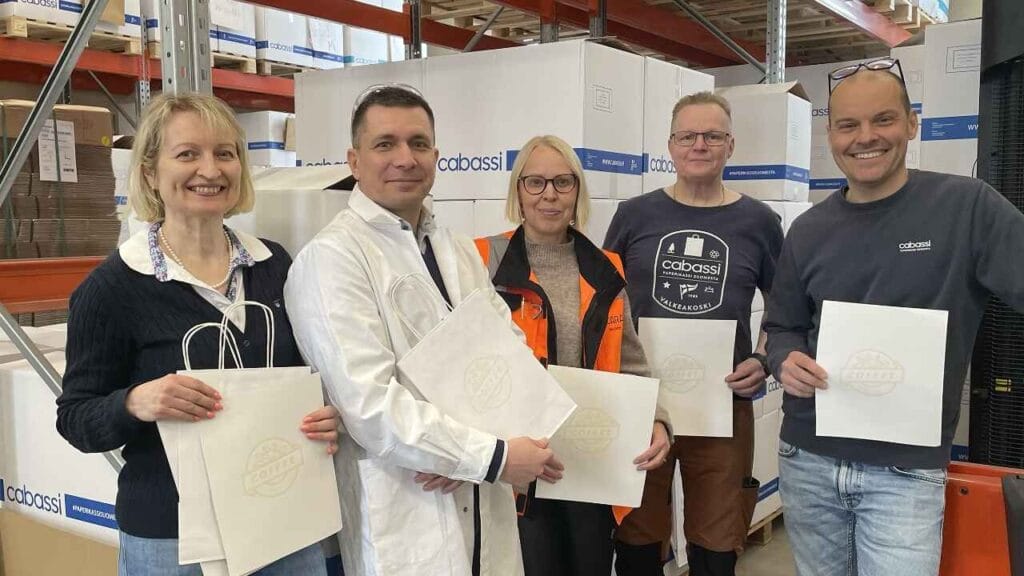
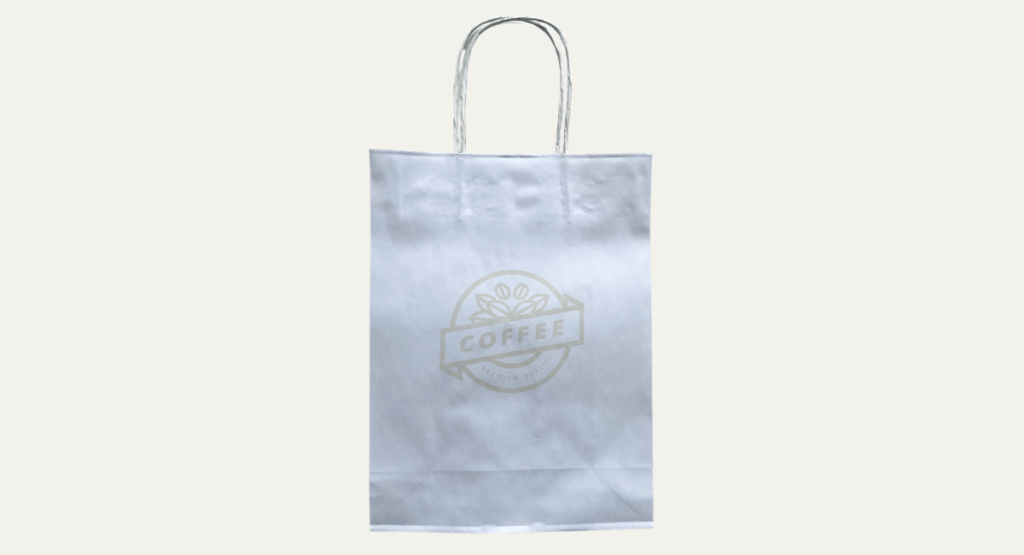
The jointly developed ink was tested under realistic conditions in flexographic printing - one of the most common processes in packaging printing. It was used on fibre-based packaging materials, such as those used for folding boxes, paper labels or secondary packaging. The tests showed that the ink is compatible with existing systems in terms of both colour intensity and processing.
The ink offers a natural, warm brown colour and is particularly suitable for brands that want to make ecological values visible not only in their choice of packaging, but also in their design. The ink is also free from synthetic additives, water-based and potentially compostable - an advantage for anyone who favours recyclable monomaterials.
Outlook: Scaling and industrial implementation
Following the successful test run, the project partners are planning to further develop the formulation and expand the possible applications. According to Natural Indigo Finland, integration into existing printing ink systems is conceivable, for example through additives or the combination with other biogenic colour sources. The focus is now also on scalability - the aim is to realise larger production volumes in an economically and ecologically sensible way.
At the same time, talks are to be held with packaging manufacturers and brand owners to identify specific applications in the commercial environment. In a first step, the offer is primarily aimed at companies that rely on sustainable packaging solutions with a high communication impact - for example in the organic food, natural cosmetics or green e-commerce sectors.