packaging journal AUDIO - Listen to this article:
0:00
0:00
With the new VerpackDG, the German government is setting the course for the implementation of the EU Packaging Regulation (PPWR). From massively expanded approval obligations and binding waste prevention budgets to ambitious recycling quotas from 2028 - find out here what bureaucratic and financial changes your company will face from 12 August 2026.
The Federal Cabinet adopted the draft Packaging Law Implementation Act (VerpackDG) on 11 February 2026. was passed. With this new legal regulation, the German government is creating the national basis for the implementation of the EU Packaging Regulation (PPWR). The aim is to comprehensively adapt the system in order to ensure the legal continuity of national structures such as the Central Agency Packaging Register and the dual systems under European law.
Legal reorganisation: from the VerpackG to the VerpackDG
When the VerpackDG comes into force on 12 August 2026, the previous Packaging Act will be completely replaced. This step is legally mandatory, as the EU Packaging Regulation applies directly in large parts and national contradictions must be ruled out. The VerpackDG acts as the decisive legal vehicle for transferring proven German structures into the new EU framework.
For businesses, the changeover is accompanied by a measurable compliance cost. According to the draft bill, the additional annual burden for companies amounts to around €2.46 million. There is also a one-off conversion cost of around €4.46 million, which is primarily due to new information obligations and system adjustments.
Extended authorisation requirements for manufacturers and organisations
In bureaucratic terms, the new law entails a significant expansion of authorisation requirements. In future, all extended producer responsibility organisations and individual producers who do not use collective systems will require formal authorisation. The procedure will be handled by the Central Agency Packaging Register, with the legislator focussing on a high degree of automation.
A key point for the industry is the reorganisation of the financing of the Central Agency Packaging Register. While the costs were previously primarily borne by the dual systems and operators of industry solutions, the group of parties liable for financing will be massively expanded. In future, individual manufacturers and producers of packaging that is not subject to system participation - such as transport, reusable or industrial and commercial packaging - will also be directly included in the financing of the register centre.
Binding budgets for waste prevention
The VerpackDG places greater emphasis on waste prevention in the context of extended producer responsibility. The law stipulates that dual systems, other organisations and individual producers must in future provide a binding minimum proportion of their budget for prevention measures.
These funds are earmarked for measures such as
- The promotion and expansion of reusable and refillable systems.
- Start-up financing for circular business models.
- Information campaigns to sensitise end consumers to re-fill options.
The players have the option of coordinating the implementation of these measures or fulfilling the obligations jointly, provided this is done in a competitive manner.
More ambitious recycling rates from 2028
From 1 January 2028, the VerpackDG will significantly tighten the recycling targets. The industry must prepare for the following quotas:
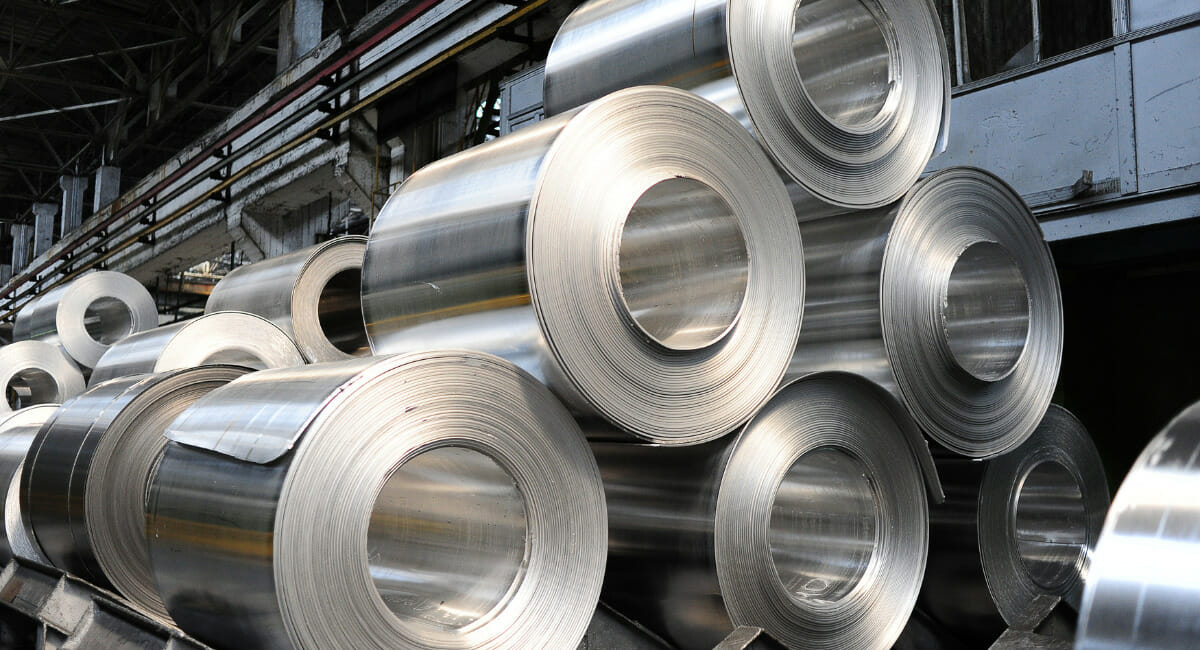
- Aluminium and ferrous metals: The recycling rate will be increased by five percentage points to a total of 95 %.
- Plastics: A new target quota of 75 % applies.
◦ Of this, at least 70 % must be realised through material recycling, which also corresponds to an increase of five percentage points.
◦ The remaining difference to the total quota may be covered by other authorised recycling processes.
Mechanical recycling is a process in which the material remains available for further material utilisation and replaces new material of the same substance. The aim is to further reduce energy recovery in waste incineration plants.
Use of recyclate for plastic drinks bottles
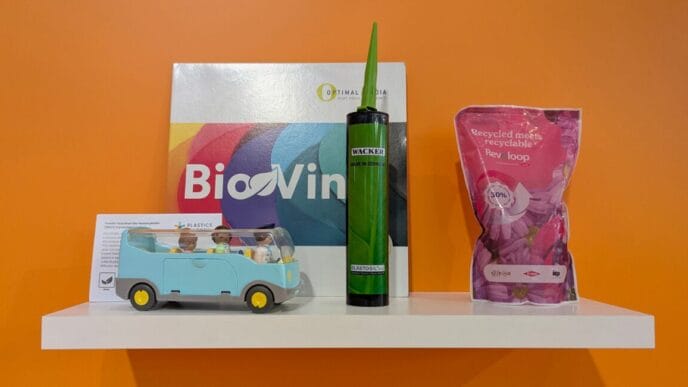
Specific requirements continue to apply to single-use plastic drinks bottles. In the current transition phase, manufacturers must already ensure that PET beverage bottles consist of at least 25 % recycled material. From 2030, this requirement will be extended to 30 % recycled content for all plastic drinks bottles. In order to make compliance with these quotas verifiable by the authorities, there are strict documentation requirements for the quantities of material used.
Conclusion and outlook: The path through the instances
The cabinet decision marks the starting point of the national legislative process. Following the subsequent notification under European law, the draft must be discussed and passed by the Bundestag. The Bundesrat will also be involved in the process. The aim is to complete the process by the summer so that the key provisions can come into effect on 12 August 2026. For companies, this means that preparations for the new authorisation and notification processes must be initiated promptly.