THE PACKAGING USER
Shirt exchange: repackaging at the turn of the month
I'm a football fan. Not an ultra, not a groundhopper, just a normal bloke with a few old jerseys in his wardrobe. (My wife would disagree, but believe me - there are even worse football nerds than me). For me, a jersey like that used to be a nostalgic signal with a long expiry date; it symbolised loyalty and, at best, a little sense of style. I only collected the smart jerseys that I would have dared to wear to a club. Today, such a jersey is little more than a piece of polyester with a built-in disposable reflex. Clubs now bring out more jerseys than their players score goals. How are you supposed to cultivate a love for a particular jersey? Home, away, third, cup, retro, sustainable, carnival, anniversary - each fabric should tell its own story, and each story costs around 99 euros. In other words, when a club presents a new shirt, it's just calculated staging at a pig's gallop - or a simple rip-off.
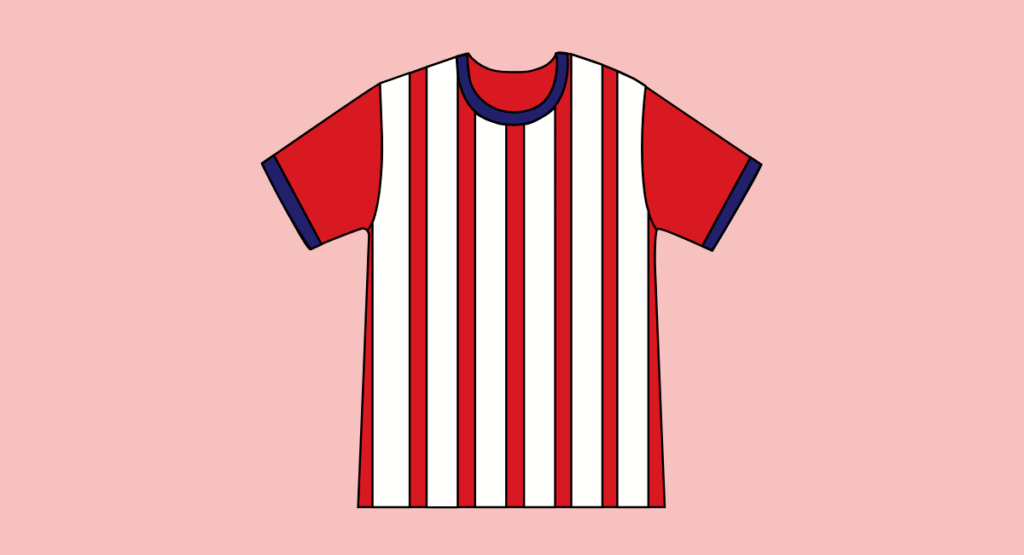
FC Köln, for example, earns a golden cardboard nose every year with its carnival jersey for the fifth season. Red and white striped, limited to 11,111 pieces - a textile Alaaf with a receipt, a business model in brightly coloured packaging. In foolish Mainz, people naturally go along with the theme. The carnival jersey is available in four-coloured horizontal stripes, inspired by guard costumes, including a jester's cap in the collar. It sells like carnival doughnuts because it can also be used as a costume. The players look like they've been dressed by a Waldorf day-care centre. It's not elegant, nor is it sustainable. But the accounting department is happy. Even St Pauli is on board, albeit in a supposedly more moral way: Fairtrade cotton, recycled materials, all clear. The skull as a symbol of rebellion and non-conformity becomes a cash accelerator in the professional business.

Real Madrid - what a surprise - is the Champions League winner in the merchandising category. Last year, the club made 196 million euros from jersey and fan merchandise sales. The jersey is a luxury gadget that symbolises power and excellence. Wearing it makes you feel like a winner, but only if you're not wearing the same old jersey from the previous season. Here, too, the truism of every district league coach proves true: „Football is a day-to-day business.“ The club is usually clever enough not to denigrate the change of kit as a mercantile lever, but instead claims every season with astonishing impertinence: „We have reinvented ourselves.“ Yet they have only repackaged themselves. And yet everyone talks about sustainability. That sounds good as long as you don't do the maths. A jersey consists of 90 per cent polyester. Around five kilos of CO₂ are emitted for every kilo. Recycled fabrics save up to 30 per cent. Yes, yes, of course, FC St. Pauli, you are the nerd among the emission sinners ... Nevertheless, a lot of your jerseys end up in the bin or in used clothing collections every year. Maybe I'm old-fashioned, but I think a jersey should last a long time. It should be allowed to age, crease and smell. It should smell like beer, rain and hope, not like new plastic. And it should be able to withstand something. Series of defeats, beer showers - and for longer than a season!
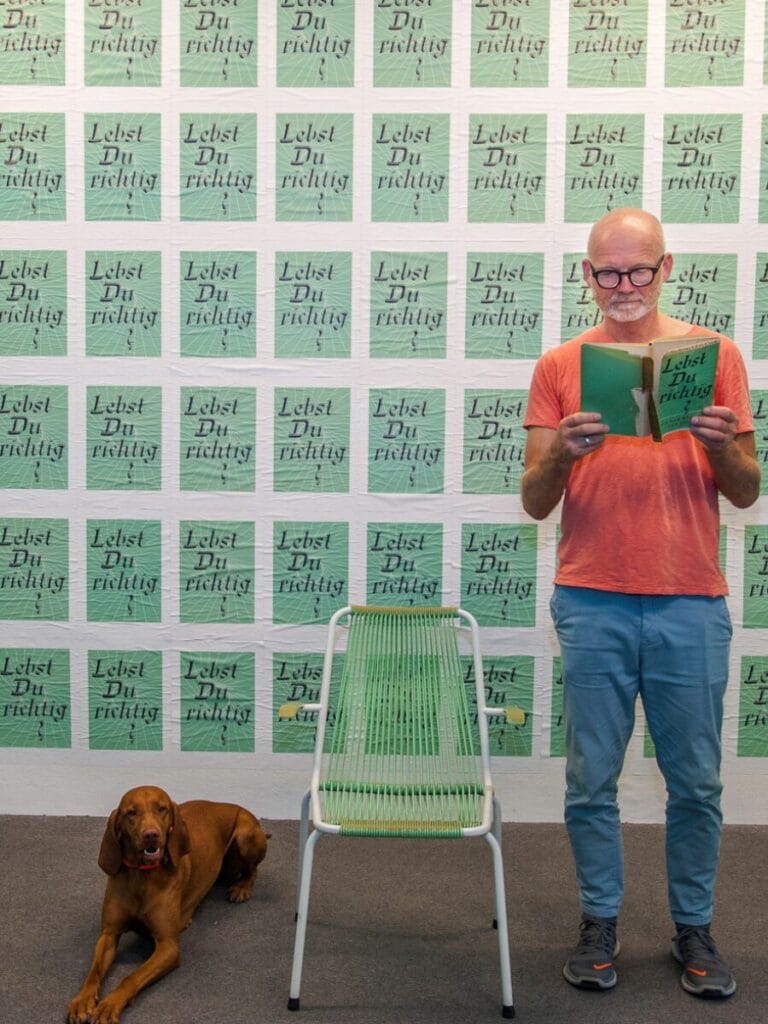
Harald Brown is not a packaging developer, a marketing strategist or a recycling professional - he is Packaging users. Nothing more and nothing less. And that is precisely what makes his perspective so valuable: unembellished, direct and full of everyday observations.
In his column "Let's wrap it up" he describes very personal experiences with boxes, foils, lids and everything that wraps products. Sometimes wonderfully funny, sometimes with a subtle side-swipe, always from the perspective of a consumer.
Anyone who produces, designs or sells packaging gets a refreshing view from the outside - and in the best case a smile.