THE PACKAGING USER
Self-turning: We are abolishing ourselves!
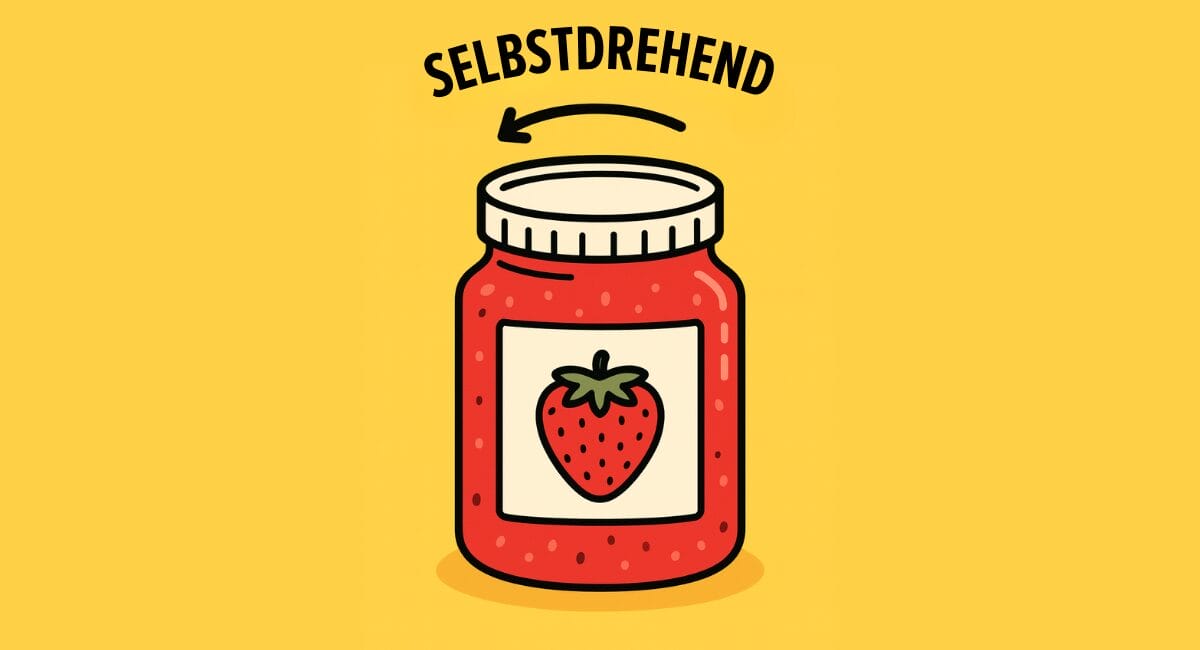
Humanity is not on the right track - I have written about this a few times here. Recently I read something that once again left me deeply concerned. It was about jam. More precisely: a jam jar. Yes, you read that right. But not just any jar. This jar is capable of managing itself. You spoon out a little strawberry jam, put the lid back on loosely - and bang, after a few seconds it goes "clack" and the lid is back on as if by magic. Packaging artists call this progress. To me, it sounds like an outrageous abuse. After all, if even the jam will soon be closing its own lid - why do they still need me?
In the past, twisting a jam jar was an activity with great symbolic power. You did something useful for the household, a kind of miniature heroic feat of everyday life. Now a piece of packaging design steals this moment from me. Perhaps it's the first step into a world in which, at breakfast, I just watch how bread rolls slice themselves, coffee grinds itself and the dishwasher not only washes the dishes, but also puts them away.

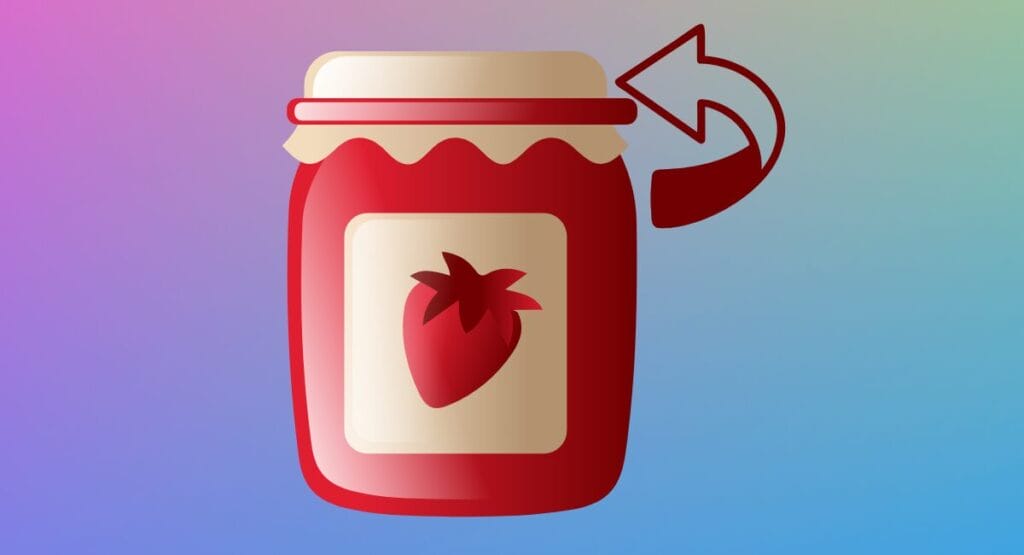
And it doesn't stop at jam. The industry has long since launched the next attack on our self-efficacy: self-sealing caps. Take milk cartons in canteens, for example. You pour yourself a glass of milk, let go of the lever - and before you can say "spill protection", the thing is sealed again by itself. The cap simply does the job itself. I ask myself: how long will it be before the bottles in my fridge are holding conferences behind my back to discuss whether I'm getting another ration of orange juice today?
Perhaps the most sophisticated example of this new world order, however, is an inconspicuous piece of packaging technology called Burgopak. In case you haven't heard of it yet: The Burgopak is a kind of Jacques Tati of packaging. You pull - and a small miracle happens on the other side, as if controlled by an invisible stagehand. When you push it back in, everything closes again as if by itself, as if a discreet hotel bellboy had done it, ensuring that the bed is always made before you return. It's packaging as a stage show, as a magic trick - and of course something that works completely without my intervention. Quite apart from the fact that I don't even understand how this burgo butler works.
I could now celebrate this as progress: more convenience, more hygiene, less mess. But somehow I get the feeling that soon we won't have to do anything ourselves. Today the jam jar, tomorrow perhaps the fridge that decides for itself what's good for me, the day after tomorrow the flat that tidies itself - but demonstratively leaves my dirty coffee cup standing "for educational reasons". If the last manual action we have left is scrolling on our smartphone - and even that will probably soon be replaced by eye control - then at some point we will have reached the "couch potato 3000" level. We'll be sitting there in smart homes, eating smart portioned meals from smart sealed packs, and the only muscle movement we'll still be exercising is frowning when the self-closing jam jar suddenly decides that it really needs to stay closed. Only for our own good. Really?
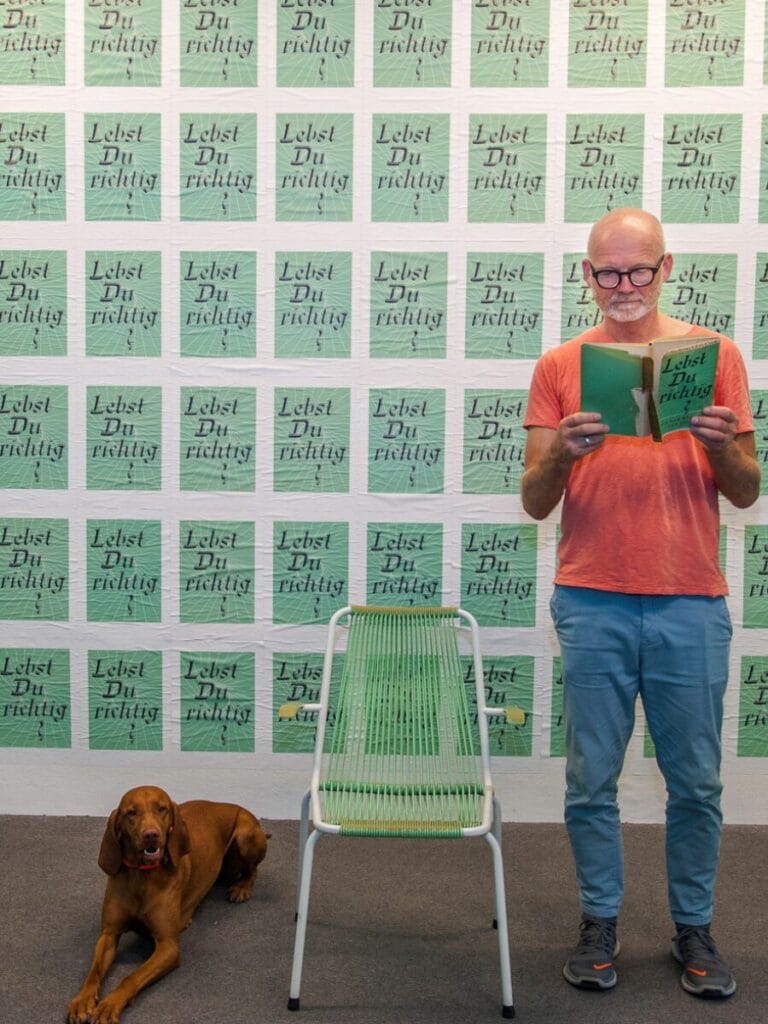
Harald Brown is not a packaging developer, a marketing strategist or a recycling professional - he is Packaging users. Nothing more and nothing less. And that is precisely what makes his perspective so valuable: unembellished, direct and full of everyday observations.
In his column "Let's wrap it up" he describes very personal experiences with boxes, foils, lids and everything that wraps products. Sometimes wonderfully funny, sometimes with a subtle side-swipe, always from the perspective of a consumer.
Anyone who produces, designs or sells packaging gets a refreshing view from the outside - and in the best case a smile.