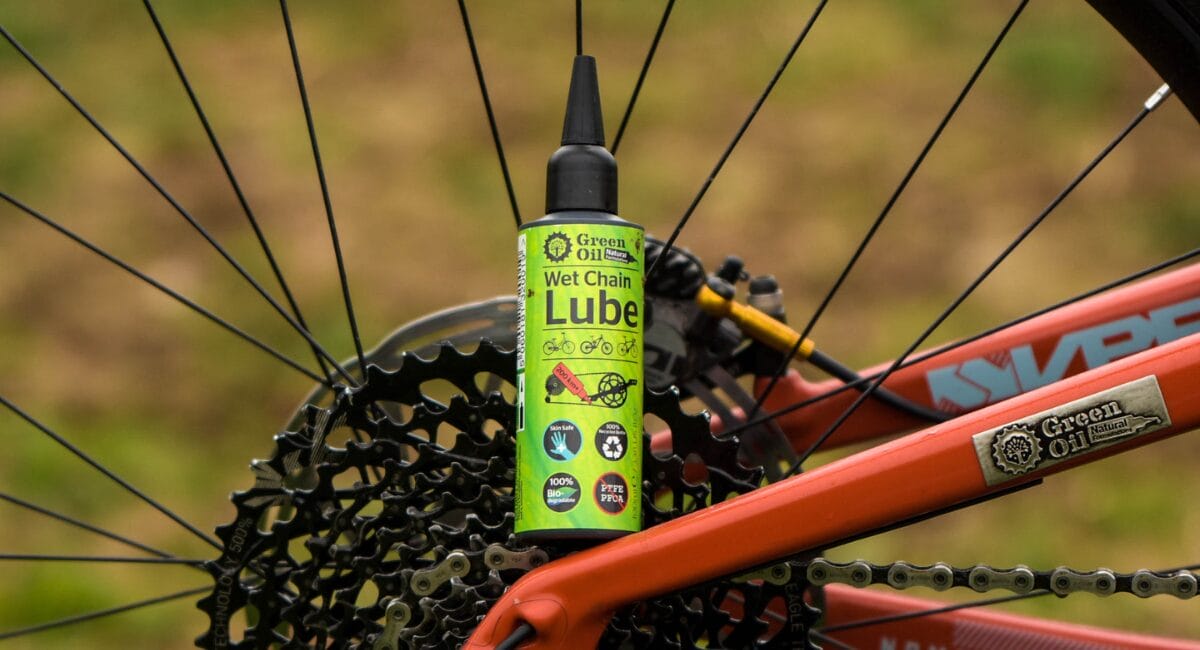
Green Oil, manufacturer of environmentally friendly lubricants, is now filling its Gardinól brand in a new bottle from Berry Global, which, like the cap, is made from PCR plastic.
Green Oil manufactures alternative products that are more environmentally friendly than general purpose lubricants and penetrating oils traditionally made from petrochemicals. Instead, the company uses sustainably sourced, plant-based ingredients that are completely biodegradable. The products are also made from polytetrafluoroethylene (PTFE), a non-biodegradable, carcinogenic chemical that is commonly used in the manufacture of lubricants.
Green Oil needed a bottle made from 100 per cent PCR plastic for its Gardinól lubricant brand for the home, garden, DIY, office and workshop. Berry was able to adapt an existing standard bottle exactly to Green Oil's requirements. One particular challenge: the opening had to be the right size for a controlled flow of lubricants have.

While the bottle was made from 100 per cent PCR from the outset, the polypropylene (PP) cap and the application nozzle proved to be a greater challenge, as no reliable stream of PCR-PP was initially available. With the Introduction of Berry's own CleanStream recycled plastic the closure is now also made from PCR.
It is equally important that the closure can be recycled at the end of its life cycle in accordance with the Green Oil brand in countries where a corresponding recycling infrastructure is in place, as it can be recycled at the end of its life cycle. using a carbon-free black masterbatch is produced. This allows it to recognised by the near-infrared (NIR) scanners used in waste sorting unlike conventional carbon black plastic, which in many cases cannot be recognised for recycling.
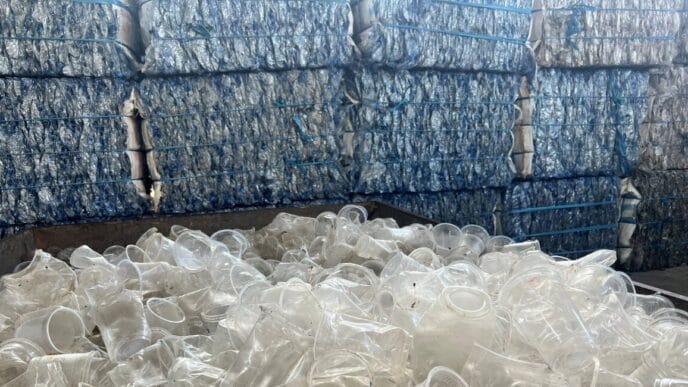
To make the bottle even more environmentally friendly, it is now being using Prevented Ocean Plastics (POP) plastic waste that does not end up in the sea and is subsequently recycled.
Source: Berry Global