PepsiCo launches pilot project for shrink films

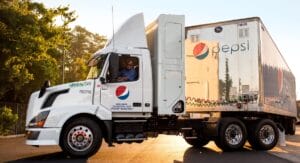
In a project with Der Grüne Punkt, PepsiCo is testing new shrink films for Pepsi bottles and cans made from recycled plastic, including plastic from the Yellow Bag.

For the first time, in a test project with Der Grüne Punkt, the packaging film for Pepsi bottles and cans was made from ten per cent recycled plastic from the Yellow Bag, 40 per cent recycled plastic from other sources and only half new plastic.

If further quality tests are successful, the next Goal of converting regular production - on film made from film. Up to now, bottles and beverage cans have mostly been sold in shrink film as six-packs, which in turn are sold on pallets. To ensure safe transport, the six-packs are wrapped in metres of pallet film. All made from new plastic.

„This is a charming way of attracting the consumer's attention and distinguishing ourselves, as well as an expression of our quality standards in design and therefore an important marketing tool. But they end up in the bin very quickly. That's why we asked our film suppliers to develop a recycled version for us.“

Kai Klicker-Brunner, Head of Corporate Affairs and part of the management of PepsiCo Germany.

Display

The supplier contacted Der Grüne Punkt, which, among other things, is responsible for the Separate collection of used sales packaging in Germany and is now one of the leading plastics recyclers.


Promising first trial with recycled film

The pilot test at the beginning of December 2021 at the Pepsi plant in Niederroden Trials on the packaging lines for 0.33-litre cans and 1.5-litre PET bottles was a success: 50 per cent of the packaging films in the test run were made from recycled material. A fifth of the recycled LDPE (low-density polyethylene, soft polyethylene) in the shrink film was replaced with recyclate from the Yellow Bag. „If the packaging also passes further tests, the the starting signal to reorganise our production“, says Kai Klicker-Brunner.

Up to a quarter of the packaging waste in the Yellow Bag or Yellow Bin across Europe consists of film. Recycled for a long time Systec Plastics Eisfeld these. But this is a huge effort for the Green Dot subsidiary.

„Foil has a very large surface area and therefore absorbs dirt like a sponge, always remains grey, still smells strong even after cleaning and is not as dense as the hard plastic of a yoghurt pot, for example.“ 

Norbert Völl, Press Officer Der Grüne Punkt 

While more than half of the plastic waste in the Yellow Bag is turned into high-quality new recycling products, including packaging for detergents, cleaning agents and cleaning products, for example, the films are only turned into simple products such as construction buckets or lawn grids. „That wasn't enough for us, which is why we have developed a new process.“ The sorted films are cleaned and shredded after quality control. These plastic shreds are fed into an extruder, melted and a granulate is produced. „From this new recyclate, which we Systals much higher quality products can be manufactured, including flexible packaging,“ says Norbert Völl.  

This development is only just beginning. The ten per cent initially added to the film is set to grow gradually. The goal is clean material for new, stable films. „In view of the huge quantities of film, there is huge potential here,“ says Völl, and Michael Wiener, Managing Director of Duales System Holding, adds: „If a customer like PepsiCo is the first to use this material in such an important application as six-pack film, then that is a major step forward. a really courageous step."

In future, the packaging film will no longer look as clear and bright as before. „But if people know and understand, why the packaging looks different, They will certainly put up with it,“ says Kai Klicker-Brunner from PepsiCo.

Source: PepsiCo

PepsiCo More news

(Thrilling) games in Paris

Seats made of packaging, beds made of cardboard and athletes with concrete demands for sustainability. The Summer Olympics in Paris somehow also have something to do with the packaging industry.
Read more "