According to a GVM study, the PET recycling rate remains at a high level of 94 per cent. The proportion of recycled material in PET beverage bottles is also increasing.
30 October 2020
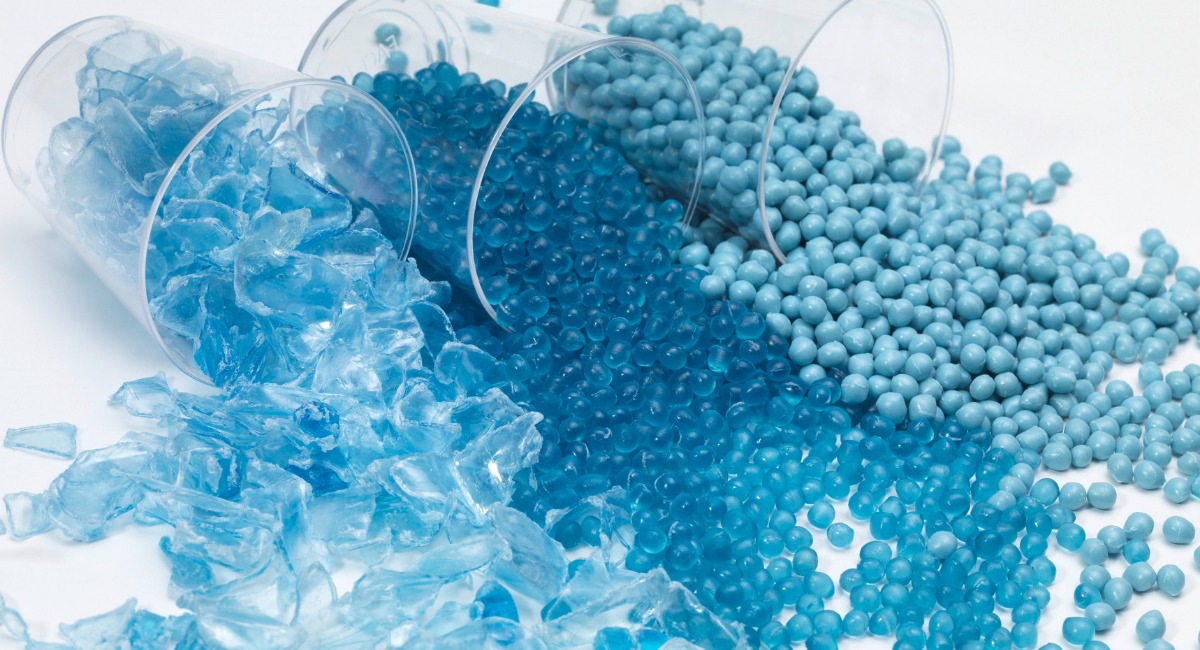
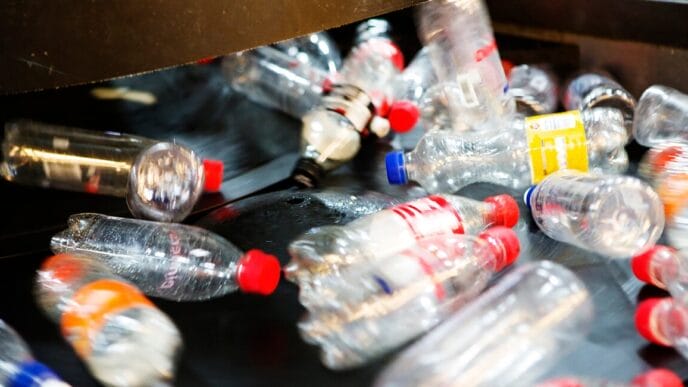
The beverage industry is increasingly focussing on recycled material for PET beverage bottles. (Image: Starlinger Group)
The Society for Packaging Market Research (GVM) has analysed how PET recycling works in Germany. One result: the PET recycling rate remains high at 94 per cent. There is also a clear trend towards the use of recycled material.
The study Production and utilisation of PET beverage bottles in Germany in 2019 comes to the conclusion that the recycling rate for PET beverage bottles remains at a high level of 94.1 per cent. As much as 97.5 per cent of deposit PET bottles were recycled in 2019. Including energy recovery, 99.9 per cent of all PET drinks bottles were recycled last year.
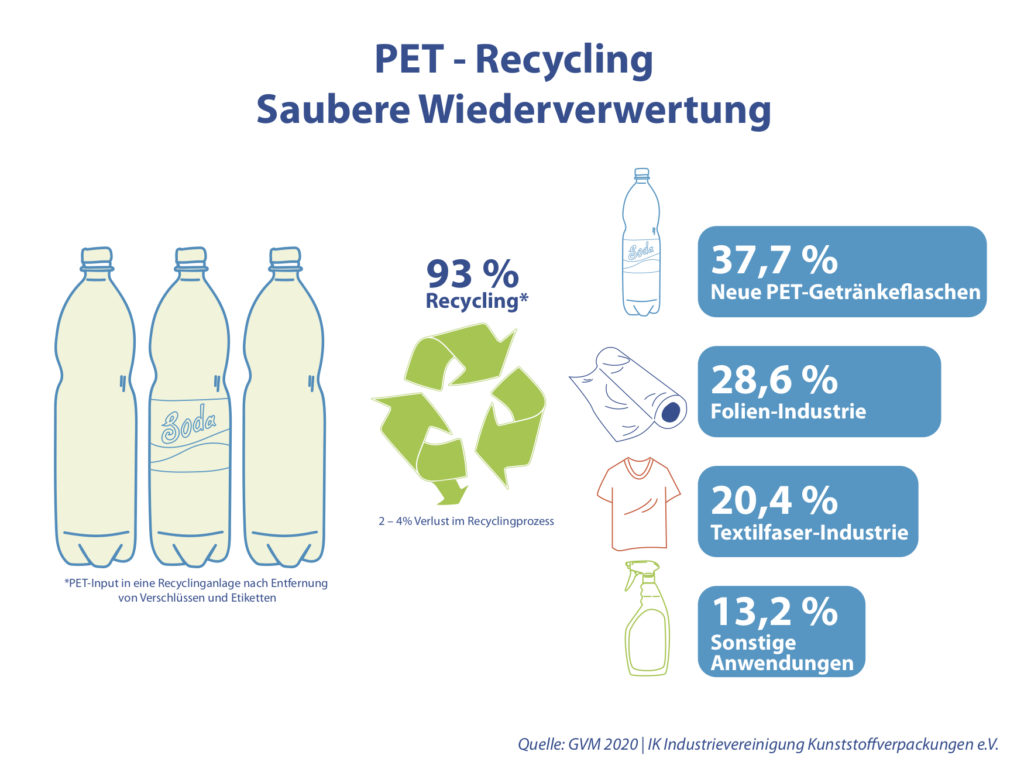
(Image: IK Industrievereinigung Kunststoffverpackungen e.V.)
"High recycling rates and the use of recycled material for PET beverage bottles have been standard in Germany for years. This makes the German recycling system a prime example of efficient recycling structures in an international comparison." Dr Isabell SchmidtManaging Director at IK Industrievereinigung Kunststoffverpackungen e.V.
The recyclate obtained from recycling is increasingly being used in the bottle-to-bottle cycle. More than 37 per cent of the recycled PET material is used to produce new PET bottles - an increase of five percentage points compared to 2017.
Display
High PET recycling rate and increasing proportion of recyclate
This significant growth is also reflected in the use of recycled PET beverage bottles. On average every PET bottle in Germany consists of almost 30 per cent recycled material. In 2017, it was still 26 per cent. This means that the German PET industry already fulfils the EU Commission's planned regulations for the use of recyclate in PET beverage bottles by 2030.
The Forum PET in the IK supports this trend. "The use of recycled PET and the reduced use of materials have a very positive effect. positive impact on the eco-balance of PET bottles out. This has been proven by numerous studies," explains Dr Isabell Schmidt. The PET Forum is also in favour of initiatives to increase the recyclate quota, including the target set by the RAL Gütegemeinschaft Wertstoffkette PET-Getränkeverpackungen. This stipulates that PET beverage bottles with RAL quality mark to be made from 50 per cent recycled material by 2022 should exist.
The fact that PET bottles have been recycled exclusively in Germany or in neighbouring countries for almost two years could contribute positively to this development. Used PET bottles are no longer exported to non-European countries. Therefore more high-quality recyclate is available to the German PET industry.
Updated study on the PET material cycle
The GVM study refers to data from the year 2019. The company analysed all beverage segments relevant to PET bottles in the deposit and non-deposit beverage sector. The market researchers looked at both non-returnable and returnable bottles. The study did not include PET beverage containers for milk, milk mix and milk-based drinks, which are less significant in terms of volume, or PET bottles for non-beverages.