

Returnable PET bottle made from 100 per cent recycled material

Alpla and Privatbrunnen Tönissteiner Sprudel have developed a returnable PET bottle made from 100 per cent recycled material that reduces CO2 consumption and has logistical advantages thanks to its low weight.

Packaging and recycling specialist Alpla and the private fountain Tönissteiner Sprudel have developed a returnable PET bottle made from 100 per cent recycled material. The reusable 1-litre returnable bottle for mineral water reduces CO2-consumption and has logistical advantages with its low weight. It is now available in stores.

100 per cent for the recycling loop: Alpla and Tönissteiner present after around a year of development a returnable PET bottle made from 100 per cent post-consumer recycled material (excluding cap and label). The 1-litre bottle conserves resources during production and reduces CO2-consumption. The recycled PET (rPET) for the packaging solution comes from Alplarecycling's own production. At the end of its service life, the bottle is fully recyclable.

„The packaging of the future will be sustainable, light and safe. At Alpla, we are already achieving this today with a circular economy based on the ‚bottle-to-bottle‘ principle, weight optimisation and consistent design for recycling. Together with Tönissteiner, we are combining all of these approaches in a new reusable solution made from 100 per cent rPET.“

Georg Pescher, Managing Director of Alpla Germany.

Display

„Tönissteiner stands for the sustainable use of resources. The climate-friendly bottle is perfectly matched to our sorting, filling and transport processes.“

Hermann-Josef Hoppe, Managing Director Tönissteiner

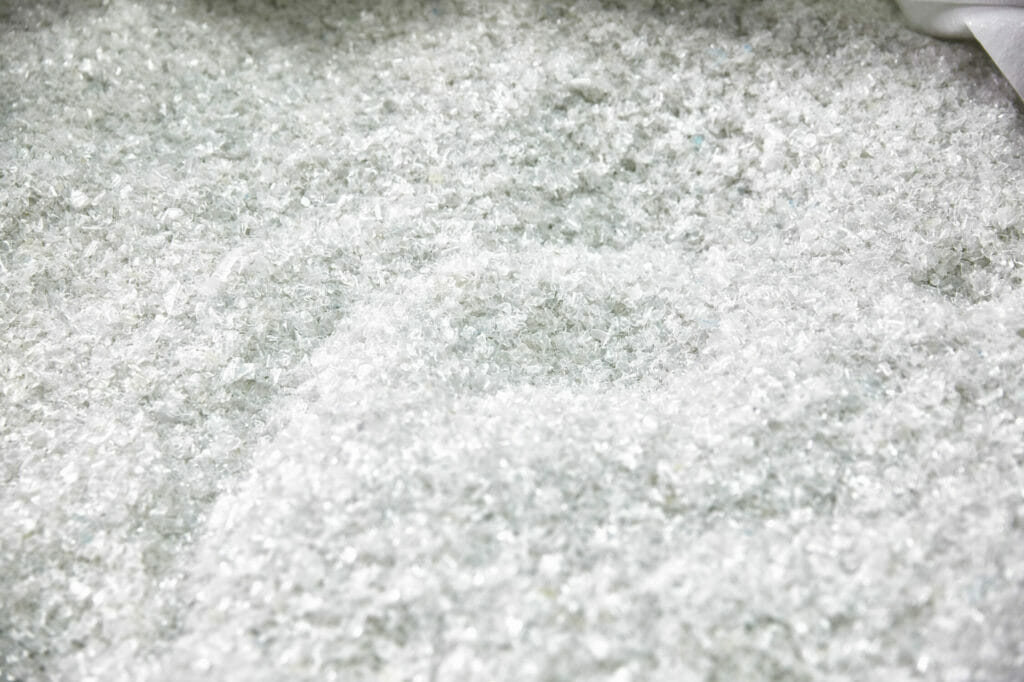
rPET granules Alpla
Alpla processes used PET bottles into high-quality rPET material and turns them back into new bottles according to the „bottle-to-bottle“ principle. (Image: Tönissteiner/Alpla)

Standardised collection and minimal sorting effort

The customised design of the rPET returnable bottle makes it possible to use the already established 12-bottle crates from Tönissteiner. Up to 160 crates with 1,920 more bottles can be transported per lorry load. The optimised return of empties from Tönissteiner rPET and glass containers in a uniform crate on a pallet also speeds up the cycle and reduces the sorting effort for wholesalers and retailers.

Once the reusable bottle has reached the end of its service life, which is determined by the number of cycles, it can be reprocessed into rPET at Alplarecycling's plants and recycled in the form of new bottles. Laser markings provide information on the number of cycles and supplement quality control during refilling. Tönssteiner and Alpla thus ensure an optimal „bottle-to-bottle“ cycle and guarantee their own high-quality rPET reusable bottle pool.

SourceAlpla

Alpla - More news

🎧 Podcast: Philipp Lehner from the ALPLA Group

World recycling record, 70 years of Alpla and clear words on regulation: Philipp Lehner, CEO of the Alpla Group, talks about innovation, responsibility and the future of plastic packaging in the new podcast - and why he warns Europe against over-regulation.
Read more "
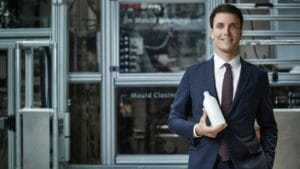
ALPLA expands into HDPE recycling in Brazil

The packaging and recycling specialist ALPLA is strengthening its recycling activities in South America and acquiring a majority stake in the Brazilian company Clean Bottle. With this new partnership, ALPLA aims to secure the supply of high-quality recycling material.
Read more "