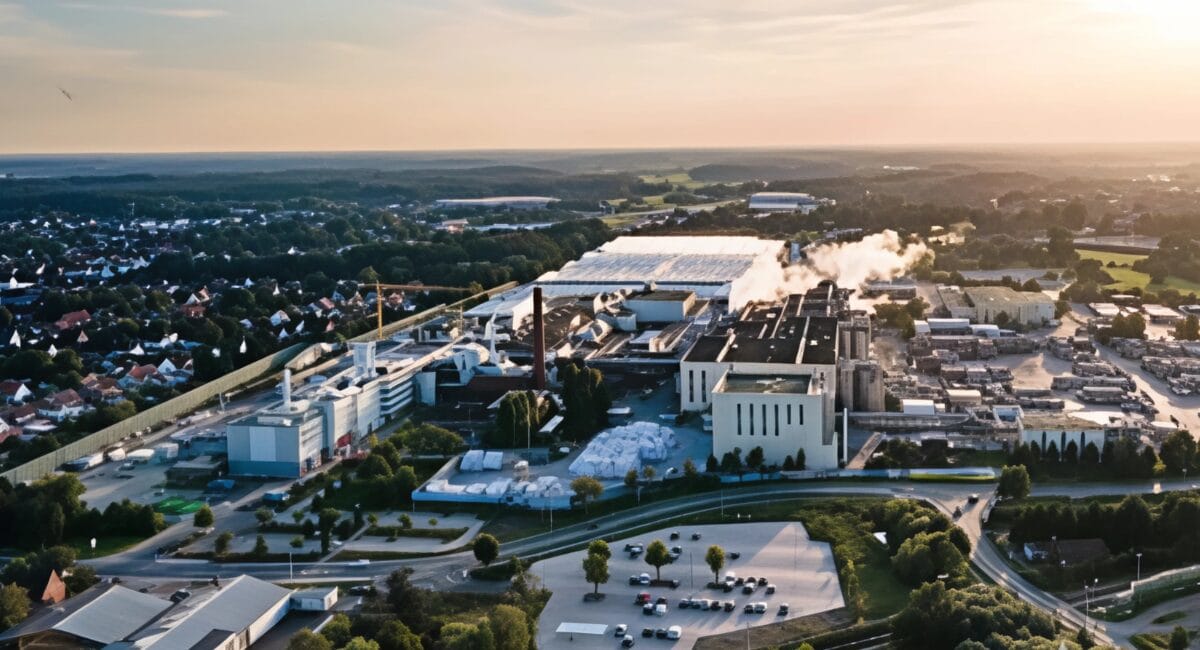
Papier- und Kartonfabrik Varel (PKV) is aiming for climate-neutral production by 2045. To achieve this, the company is planning extensive investments in new energy infrastructure and technologies for CO₂ reduction - with the aim of creating a closed loop from waste paper.
Papier- und Kartonfabrik Varel (PKV) has ambitious climate targets: By 2031, CO₂ emissions (Scope 1 and 2) are to be reduced by 42 per cent compared to 2021. According to the company, it is aiming for greenhouse gas neutrality by 2045 - in line with the German Federal Climate Protection Act and the requirements of the Paris Climate Agreement. The investments in this transformation process are expected to amount to a three-digit million sum.
Decarbonisation on an industrial scale

The planned measures aim to significantly reduce the carbon footprint of production. To achieve this, PKV is focussing on a mix of renewable energies, efficiency improvements and the circular economy. The focus is particularly on substituting natural gas, which has been the main source of energy to date. In future, green energy in conjunction with new plants for process heat generation will cover demand.
A key project is the expansion of the electricity connection and the construction of new, electricity-based process heating systems. At the same time, the use of large industrial heat pumps is being examined. They could help to significantly reduce the specific energy consumption per tonne - another lever for reducing emissions, according to the report.
Energy from waste: own waste-to-energy power plant planned
An additional component of the decarbonisation strategy is the energetic use of non-recyclable material from the waste paper delivered. This portion is already being processed as a substitute fuel and utilised externally. In future, this energy is to be utilised directly on the mill premises via a dedicated waste-to-energy power plant. The company hopes that this will lead to a more efficient utilisation of existing resources and a further reduction in external energy dependencies.
„The path to climate neutrality is prescribed by law, the price of CO2 leaves us with few other economic options and ethically we see it as our responsibility to contribute to sustainable development. We have to go down this path. But this is also a great opportunity for energy-intensive companies like PKV. We have been using waste paper as a raw material since 1950. Recycling and sustainability are an elementary part of our corporate identity. If we can economically manufacture CO2-free products from waste paper, we have the perfect ecological cycle for packaging! It is worth making an effort to achieve this goal, even though it also poses major economic challenges.“
PKV shareholder Kristian Evers
External validation and transparency
The climate targets of the PKV should be based on scientifically recognised standards. Validation by the Science Based Targets Initiative (SBTi) is planned. The company provides further information on the decarbonisation pathway on its website. The implementation of the individual projects requires extensive approval procedures, on which the company will provide separate information in each case.
Source: Varel paper and board mill (PKV)