
New plant for plastics recycling in Indonesia

Indonesia wants to reduce its own plastic pollution to almost zero by 2040. A ground-breaking ceremony has now been held for a new recycling plant for PET plastics, which will use state-of-the-art technology and expertise from Germany to produce 36,000 tonnes of recycled PET in future.

Indonesia has set itself the goal of reducing its own plastic pollution to almost zero by 2040. The ground-breaking ceremony for a new recycling plant for PET plastics has now taken place. Mith state-of-the-art technology and expertise from Germany, the plant will produce 36,000 tonnes of recycled PET in the future.

The plant will be operated by PT Alba Tridi Plastics Recycling Indonesia (ATPRI), a joint venture between Alba Group Asia and the founder of the PT Tridi Oasis Group, Dian Kurniawati. As Sister company of Europe's leading recycling service provider Interzero Alba Group Asia is contributing its joint technological expertise, operational experience and global sales and marketing capacities to the project. The new plant will be built and operated in accordance with the highest technical and social standards.


Recycled PET also in food quality

The new recycling plant with an investment volume of around 60 million US dollars is being built on an area of 2.6 hectares in the Kendal Industrial Park in Central Java. State-of-the-art systems process PET beverage bottle waste into high-quality food-grade rPET flakes and rPET granulate. The technology comes from leading plant manufacturers in Asia and Europe. Around 36,000 tonnes of recycled PET are produced every year. partly in food quality and for export. Food-grade rPET is increasingly in demand from consumer-facing industries as they step up their sustainability efforts.

Display


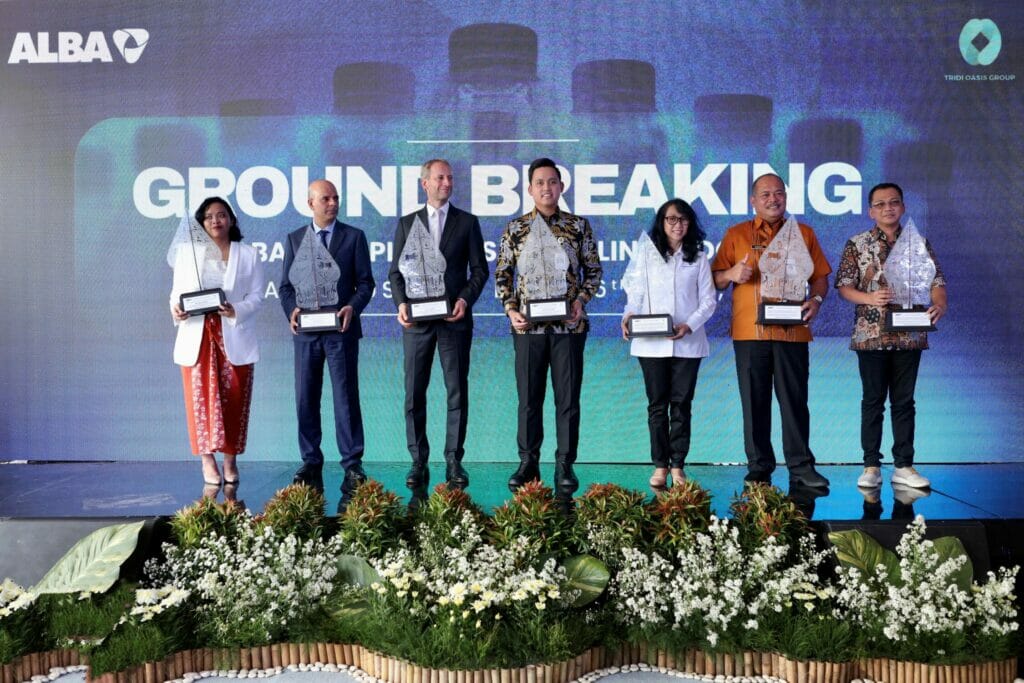
(from left) Dian Kurnaiawati / Director PT ALBA Tridi Plastics Recycling Indonesia, Dr Axel Schweitzer / Partner and Chairman Interzero and ALBA Group Asia, Jackie B. Surtani / Director, Private Sector Operations Department, ADB and representatives of national and regional government agencies. (Picture: Interzero)

„At Interzero and Alba Group Asia, we are pursuing the vision of a world without waste. That is why we are also investing in this recycling plant in Indonesia and contributing our expertise from Interzero and similar projects in Asia. Indonesia is the second largest contributor to marine plastic pollution. Our aim is to help Indonesia reduce its plastic waste and protect the oceans from further pollution. We want to increase local collection rates by creating markets. At the same time, we believe in the positive social impact of this project, as we are working closely with local collectors and will create up to 150 new jobs in the region.“

Dr Axel Schweitzer, Owner and Chairman of Interzero and ALBA Group Asia                                                                                            

Dian Kurniawati, comments: „This investment is not only aimed at solving the waste problem and creating economic value. It also enables local SMEs and female entrepreneurs like me to expand their capabilities. We believe that this partnership is an important example of how social and environmental problems can be solved through strategic multi-stakeholder collaboration.“

To reach the production capacity of 36,000 tonnes, the plant requires around 48,000 tonnes of used PET bottles per year. These bottles are mainly collected in Java and the surrounding region. ATPRI works actively with local collectors and supports them in delivering the raw materials. The project creates new jobs in various technical and administrative functions, which are to be filled from the region.

Source: Interzero

Interzero - More news

🎧 Podcast: What to do about the recyclate shortage?

In the new Packaging People podcast, Patrick Neumann and Jonathan Scheck from Interzero talk about the results of the latest Circular Packaging 2030 study. They show why the packaging industry is heading into a dangerous supply gap for post-consumer recyclates - and which strategies urgently need to take effect now.
Read more "
Circular Packaging 2030 - Strategies against the PCR shortage

Time is of the essence: EU quotas for recyclates will apply from 2030 - but there is already a shortage of high-quality PCR. A new study commissioned by Interzero shows a looming gap of around 1 million tonnes. Those who do not act now risk high costs, bottlenecks and penalties. How companies can take countermeasures and secure competitive advantages.
Read more "
Jan Kroker Interzero

Interzero with new management

Interzero starts the new year with new management. Since January, the circular economy service provider has been managed throughout Europe by a management trio consisting of CEO, CFO and CIO.
Read more "