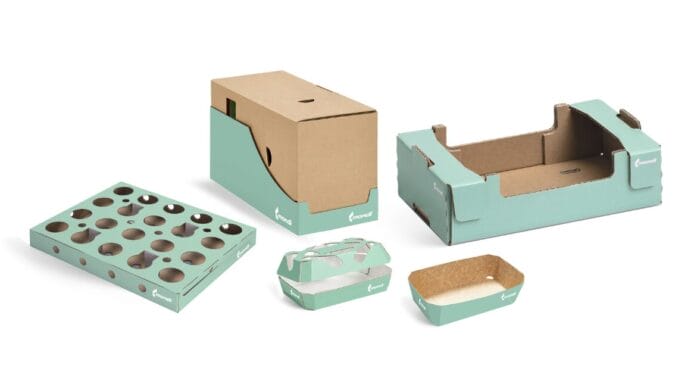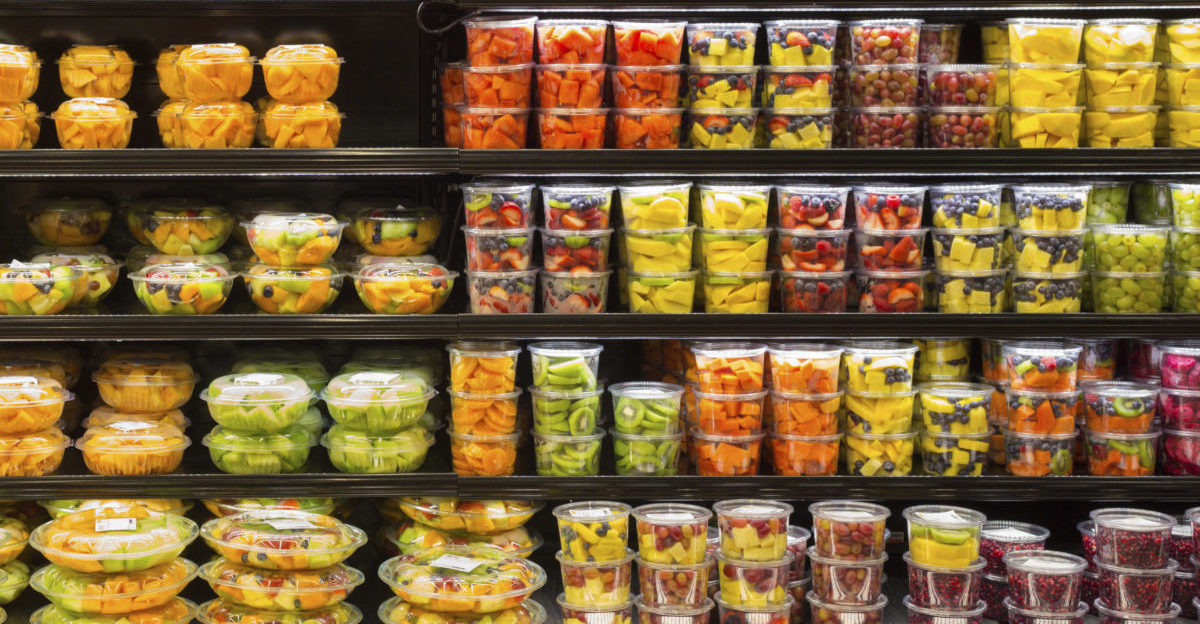
ALDI has set itself an ultimatum. At the end of August, the discount giant announced that it would reduce the amount of packaging used for its own brands by 30 per cent by 2025. The retailer is thus emulating its competitors LIDL, EDEKA and REWE, who have already declared war on packaging waste.
There is currently no obvious reason for retailers to do without plastic packaging. The recyclable material is practical, easy to transport, cheap to produce and the comparatively low payments that companies have to make to environmental organisations such as the Green Dot are hardly significant. So where does the sudden environmental awareness of the large retail chains?
Every German produced an average of 220.5 kilograms of plastic waste in 2016. This is Germany leads the way in Europe, and by some distance. After all, it is almost ten kilograms more per capita than second-placed Luxembourg. The amount of plastic waste produced is illustrated even more vividly in a current campaign by Munich's waste management company: the amount of waste produced in the Bavarian capital could fill a tower of St Mary's Church - every week.

Campaigns like these are well received by consumers. Added to this is the ever-increasing awareness of Microplastics, which finds its way back into our food chain via the world's oceans and farmland. Images of animals dying from plastic flood the media, plastic has become the new enemy of the environmentally conscious consumer.
Customers prefer to buy „plastic-free“
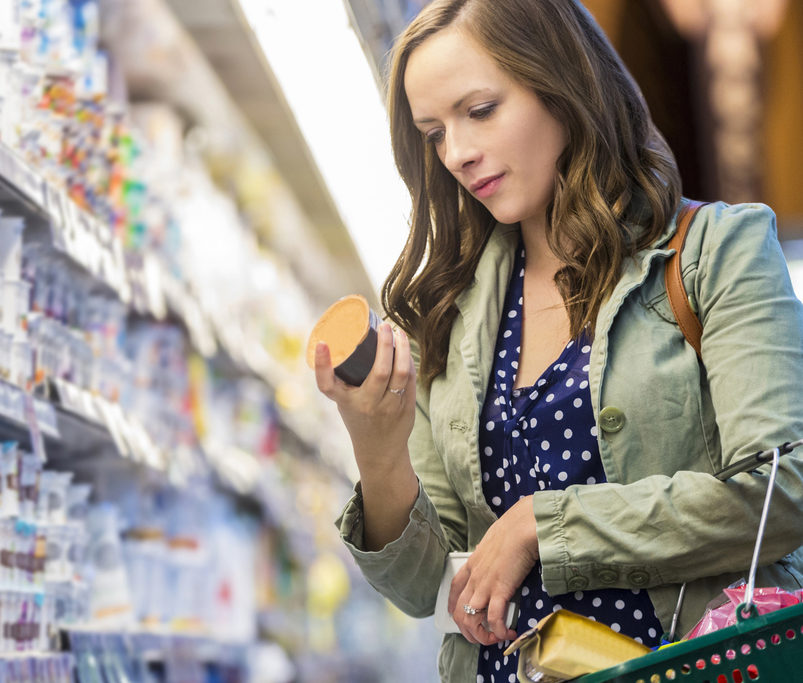
Purchasing behaviour has changed accordingly. Whereas in the past it was mainly about how ecological and fair the purchased product itself was, more and more consumers are now paying attention to the ecological footprint of the packaging. According to a Consumer survey* by Trace One, a global retail business network for FMCG professionals, 41 per cent of consumers want more information about the environmental impact of the product.
This is a purchasing factor that retailers must not neglect. Taking a pioneering role in the fight against plastic waste is therefore a great opportunity for retailers to increase transparency and create a Competitive advantage over established brands to provide.
„Less plastic in our own brands.“ This sends a clear message to retailers that they are doing something for the environment.
No real alternatives to plastic packaging?
However, the switch from plastic to environmentally friendly packaging poses major challenges for retailers. Plastics are among the most popular packaging materials worldwide for good reason: they are lightweight, easy to mould, unbreakable and inexpensive to produce and process. They also protect products from environmental influences.
42.5 per cent of all retailers believe that a Effective price control for a guarantee of success for their products. No matter how environmentally conscious the customer is, in the end it is often the price that decides which product is bought. In addition, profit margins are usually tight, especially in the FMCG sector. Switching from plastic packaging to other alternatives initially means additional financial expenditure, and other packaging materials will usually still be more expensive to produce even after the switch, which will also be reflected in the final price.
In addition, there are legal requirements that retailers must take into account in their decision-making process. For example, 62.5 per cent of German retailers see legal requirements as the biggest hurdle for their business. Many Alternative packaging materials are not authorised in Germany because, although they are compostable, they take longer to compost than required by law. So-called Bioplastics from maize, sugar cane and potatoes are also in competition with food production and currently offer hardly any alternative, at least in the long term and in large production quantities.
Examples from practice
Numerous companies in the food industry are already demonstrating that it is possible to be almost completely plastic-free, not only on the inside but also on the outside. Innovative new packaging concepts are coming from Germany.
bio4pack is a company based in Rheine, Germany, which Bioplastic from sugar wins. This packaging has the same properties as the old plastic packaging and can even be used on existing packaging machines. This is a factor that saves costs and simplifies a quick changeover. In the Netherlands, bio4pack is already used throughout an organic supermarket chain.
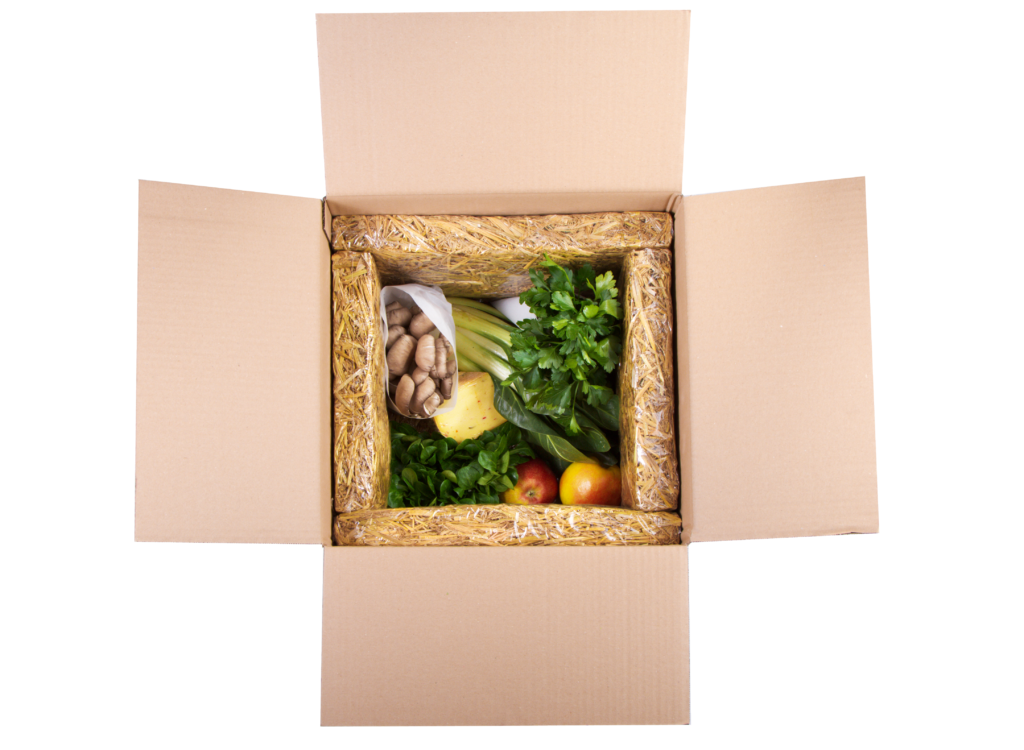
E-commerce is also rethinking and looking for sustainable solutions. After all, this is where most packaging material is produced. A German start-up is providing a remedy. The Landpack GmbH, Puchheim, replaces polystyrene boxes with Corrugated cardboard boxes with fully compostable straw insulation and can already count large companies such as Alnatura and Feinkost Käfer among its customers. The boxes are not even more expensive than the plastic alternative thanks to the inexpensive straw material and are therefore certainly of interest to the online giant Amazon, which has been a major customer since the Throwaway scandal has to contend with negative headlines about sustainability in connection with returns.
Burt's Bees is a relatively young American cosmetics manufacturer that shows how the plastic-free image can characterise a brand. Instead of focusing on the glamour factor like most of the competition, sustainability has always been one of the driving forces behind the company's concept. The products are made from 100 per cent purely natural ingredients that are Packaging is 99 per cent recyclable, and the entire production process is regional. With this approach and an emotional background story, the company has hit the nerve of the times and has been able to establish itself worldwide alongside the well-known brands.
Faster to the desired result with digital solutions
Cloud solutions are a great help in the changeover of packaging across all product areas. These enable brand owners and stakeholders involved in the packaging process to plan and tackle changes more quickly and easily. Some providers even offer additional Interfaces for packaging design in their software to implement this process consistently and easily.
The switch to less plastic will not come at some point, it is already in full swing and retailers such as ALDI, REWE and Co. are leading the movement. If you don't want to miss the boat, you have to adapt. Exciting times have dawned on the FMCG market, and new technical solutions are accelerating the pace.
*Studies by Trace One:
Study: Consumer confidence in private labels
Study: How Retail Companies are Preparing for Booming Private Label Sales