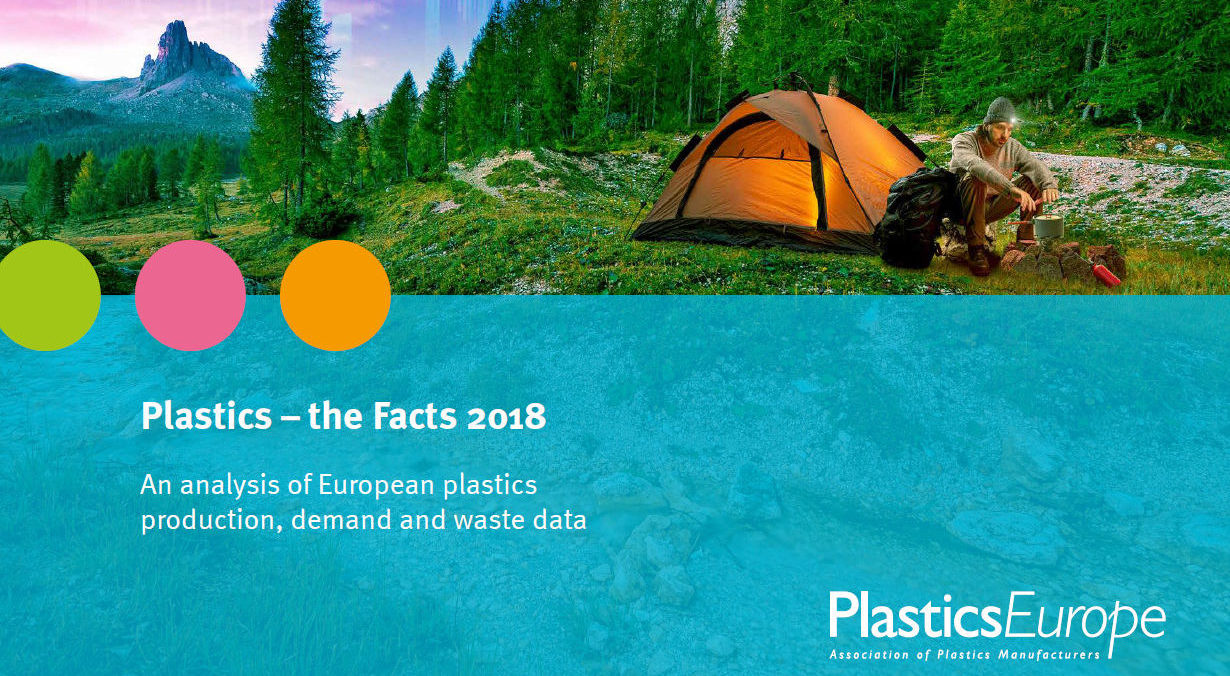
Plastics are currently at the centre of attention. This is where „Plastics - the Facts 2018“, the annual industry monitor with the latest information on the plastics industry and materials for Europe and the world, comes in handy.
The recently published edition with the latest facts and figures for Europe and the world shows that the plastics industry Continued growth is. It provides the latest European figures on the production, consumption and utilisation of plastics as well as data on markets, employment and sales in the industry for 2017. The trend monitor for the plastics industry shows that global demand for plastics continues to rise. And in an international comparison, Europe remains one of the most important production locations.
The market report also provides information on how the industry is responding to current challenges such as the latest environmental and ban discussions. New initiatives from the industry in terms of the circular economy and plastics recycling therefore take up a lot of space. The European plastics producers have taken a Self-commitment has set ambitious targets: among other things, plastic packaging is to be completely reused, recycled or recovered throughout Europe by 2040. And by 2030, the Reuse and recycling rate is 60 per cent.

EEuropean plastics industry fact check
In 2017, more than 1.5 million people were employed in around 60,000 companies. They generated around 350 billion euros turnover. According to the report, global plastics production totalled 348 million tonnes in 2017 (2016: 335 million tonnes), of which Europe accounted for just under 65 million tonnes, an increase of over four million tonnes compared to the previous year. In an international comparison, Europe accounts for just under a fifth of plastics production (18.5 per cent), making it the second-largest production location behind China (29.4 per cent) and just ahead of the NAFTA countries (17.7 per cent).
When looking at Demand and consumption In Europe, six countries dominate: Germany, Italy, France, Spain, the UK and Poland. These EU countries account for almost 70 per cent of European demand. The largest application area for plastics in Europe continues to be the packaging segment with a share of almost 40 per cent of total demand, followed by construction applications with almost 20 per cent, vehicle construction with a good ten per cent and the electrical/electronics industry with over six per cent.
Keyword circular economy
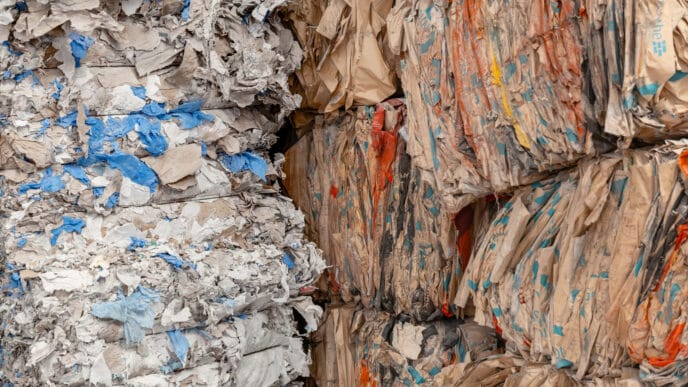
The fact that plastics are increasingly being recycled is demonstrated by the European Waste figures for the materialAccording to the report, the recycling of plastic waste increased by almost 80 per cent in the ten years between 2006 and 2016. Nine European countries, including Germany, achieved a plastics recycling rate of over 95 per cent in 2016.
According to the Association of Plastics Producers in Germany in a press release, this was achieved in particular by „ ... the fact that untreated landfilling of waste streams with a high calorific value was either prevented by legal regulations or made unattractive by high taxation in these countries. Particularly against the backdrop of current environmental discussions on plastics, these figures demonstrate the great importance of organised and effective collection and further treatment of plastic waste for the path to a sustainable future. Resource-conserving management."
The report „Plastics - the Facts 2018” with figures, data and background information on the material and industry can be here can be downloaded.