
Regulatory pressure, increasing recyclate quotas and new material debates: packaging expert Philipp Keil categorises the Packaging People-podcast on why 2026 could be a turning point for many companies - and why the PPWR is likely to unleash more innovative power than feared.
Episode 32: Why 2026 will be a key year for the packaging industry
The packaging industry is facing a phase in which regulatory requirements and market mechanisms are more closely intertwined than ever before. With the implementation of the EU packaging regulation (PPWR), The new European Union, binding recyclate quotas and increasing requirements for recyclability will become a strategic touchstone for many companies in 2026.
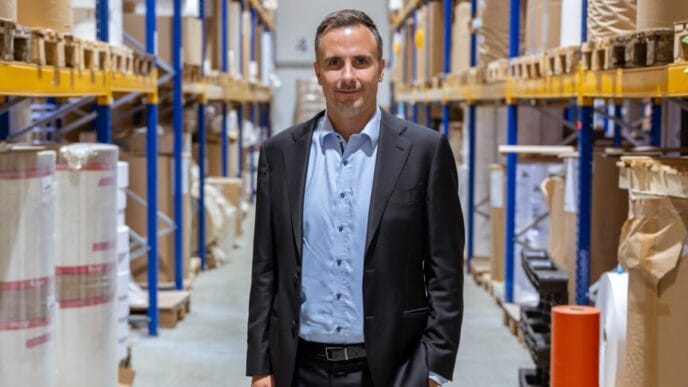
In dialogue with Packaging People-host Matthias Laux, the renowned packaging expert analyses the Philipp Keil the situation in the industry. Keil has held management positions in the packaging industry for many years and currently works at WEIG Group. In this episode, however, he speaks expressly as an industry expert and not on behalf of his company.


„The PPWR in particular will be a key driver of innovation. It creates binding targets that brands and the industry must align themselves with. This ensures transformation and new thinking.“
Philipp Keil's central thesis: regulation does not have to be a brake on innovation. On the contrary. „The PPWR is not an innovation killer, but an accelerator“, says Keil in the podcast. Although the regulation initially creates uncertainty, it forces companies to think about packaging systemically - from the choice of materials and design to recyclability and data transparency.
One focus of the discussion is on fibre-based solutions and the further development of paper and cardboard-based packaging. Keil sees great opportunities here, but warns against simple substitution logic. Sustainability is not achieved simply by changing a material, but by taking a holistic view of product protection, logistics, recyclability and cost-effectiveness.
„Anyone who sees regulation as a brake on creativity will fail.“
At the same time, he makes it clear that 2026 will not be a year of cosmetic adjustments. Companies need to decide now whether they want to merely manage regulatory requirements or utilise them strategically. „If you still want to be competitive in 2030, you have to position yourself today“, says Keil.
This is not just about material innovations, but also about new forms of cooperation along the value chain. Manufacturers, brand owners and raw material producers need to cooperate more closely in order to develop practicable solutions. Those who invest early, build partnerships and anticipate regulatory developments can gain clear competitive advantages.