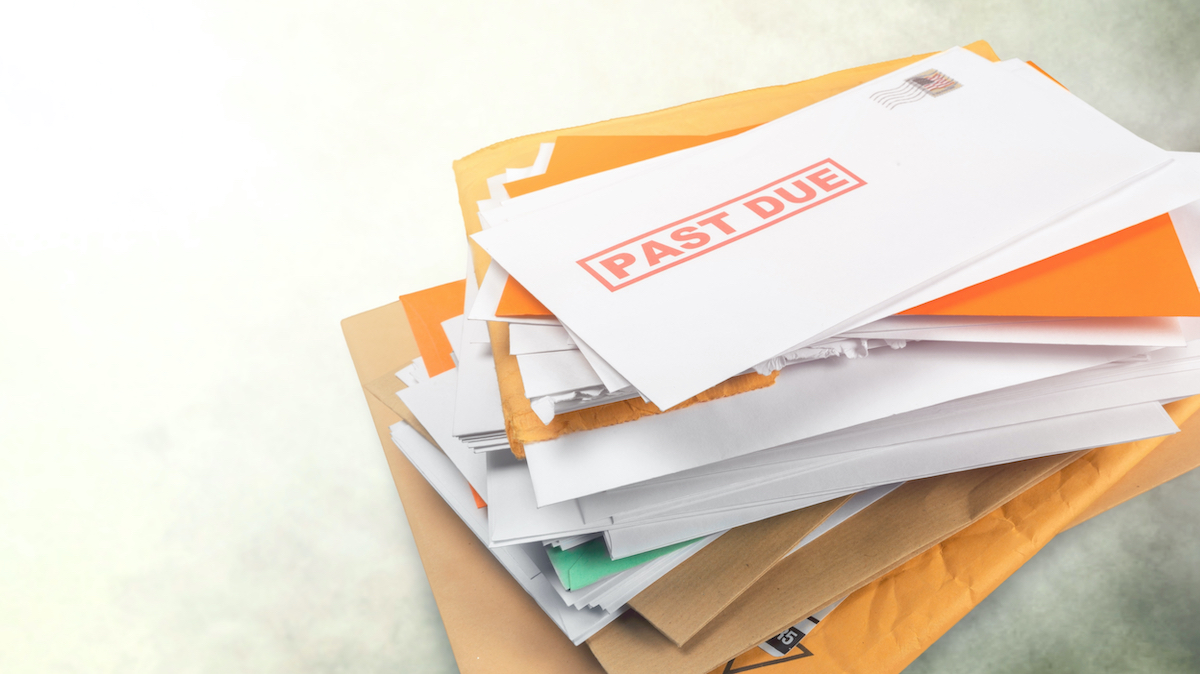
Companies' payment behaviour has fallen sharply in the face of the coronavirus pandemic. This is shown by data from the information service provider CRIFBÜRGEL, which analysed the payment behaviour of around 450,000 companies.
Overdue invoices in Germany are currently paid around 34.4 days late (as at 2 June 2020). In January 2020, the average payment delay was still 26.4 days.
Companies' payment behaviour has deteriorated dramatically since mid-April. We are currently observing an increase in liquidity-preserving behaviour on the part of companies
Dr Frank Schlein, Managing Director CRIFBÜRGEL
On average, German companies grant their creditors a payment term of 26 days. In the case of non-payers or late payers, invoices are currently only paid after an average of 60 days. This means that companies currently have to wait more than twice as long for their money than originally calculated.

The longest wait is in Rhineland-Palatinate
There are also regional differences in the average payment delay. Companies in Rhineland-Palatinate are the most overdue - by an average of 56 days. Companies in Bremen (average delay: 45 days) and Hamburg (43 days) are also very late in paying their invoices. The situation is best in Saarland. Companies in Saarland pay on average 25 days late.
Logistics companies particularly affected
The analysis of the sectors clearly shows that companies in the logistics sector are currently increasingly affected by payment problems. Currently, 29.3 per cent of companies do not pay their invoices or only pay them late. However, payment behaviour has also collapsed in the hospitality industry (24.9 percent non-payment or late payment rate).
Source: CRIFBÜRGEL