Pro Carton survey: How packaging is currently perceived
A new survey by Pro Carton has analysed current attitudes towards sustainability, packaging preferences and the role of companies in tackling environmental challenges. We spoke to Winfried Mühling from Pro Carton about the results.
3 March 2025
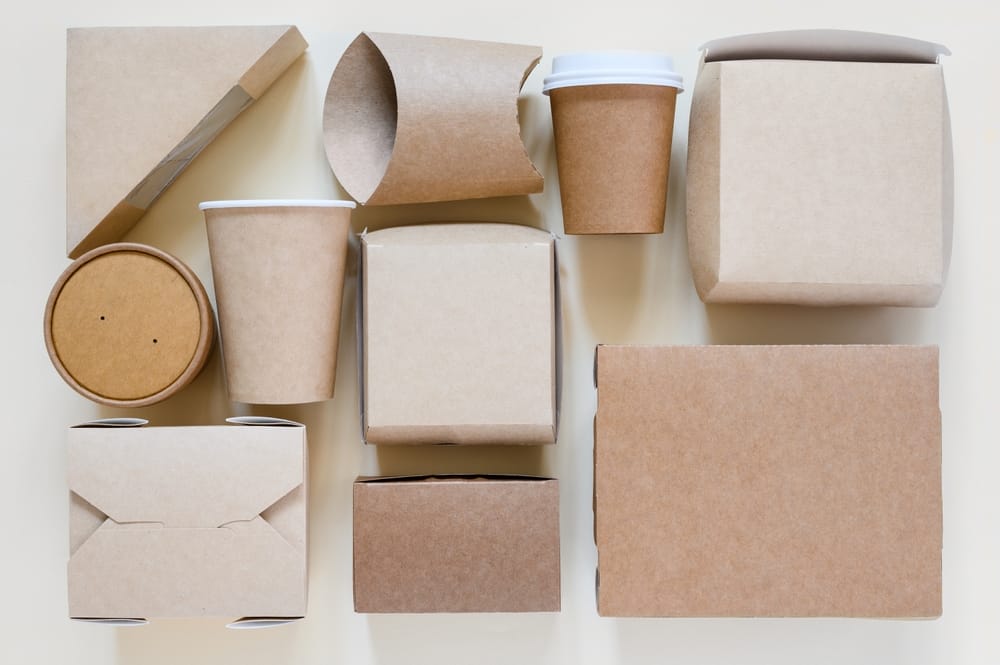
(Image: Shutterstock/Nikita Burdenkov)
The cost of living is now the most important factor influencing consumer behaviour, closely followed by climate change. This is shown by a new survey commissioned by Pro Carton. We asked Winfried Mühling, Director of Marketing & Communication at Pro Carton, how the results should be assessed.
The survey „2025 European Consumer Packaging Perceptions Survey“, which was conducted among more than 5,000 consumers in Germany, France, Italy, Spain and the United Kingdom, analyses the Changing attitudes towards sustainability, packaging preferences and the role of companies in overcoming the ecological challenges.
The results show that consumer concerns have shifted: 66 per cent of Europeans now cite the cost of living as their main concern, while for the first time before climate change (62 %). Also Geopolitical uncertainty weighs heavily, especially in Germany, where 65 per cent of consumers are concerned about the ongoing conflicts. However, despite these economic and political challenges, the Sustainability remains a top priority on the consumer agenda. 57 per cent of respondents stated that a sustainable lifestyle has become more important to them in the last year.
Three questions for Winfried Mühling
We asked the Director of Marketing & Communication at Pro Carton, Winfried Mühling, three questions about the results of the survey.
Display
Mr Mühling, one finding from the study is that cardboard is preferred to plastic packaging throughout Europe, but the younger generation is more open to plastic packaging. How can this be explained? And what conclusions can be drawn from this?
(Image: Pro Carton)
„We also observed a greater openness to plastic packaging among 18 to 29-year-olds last year. This age group also had the highest proportion (67 %) of consumers this year who only buy environmentally friendly products if they are not more expensive than conventional products. One explanation for me is therefore economic constraints, as environmentally friendly products/packaging are often offered at a higher shelf price. We also tried to find out about price sensitivity. Here we see - as in previous years - that consumers are prepared to pay between six and eight per cent more for environmentally friendly products. This value remained stable even after the effect of inflation. One conclusion would then be to include these values in the decision-making process when setting prices. Environmentally friendly products/packaging are the new „normal“.“
Overall, four out of ten European consumers have switched brands because they had concerns about the packaging used. According to the study, the main reason for switching is that the packaging used is not recyclable. To put it bluntly: isn't the role of packaging in general somewhat overestimated here?
„This figure has also remained stable over the years. 40 per cent of consumers change brands over the course of the year due to the packaging. It is very important to note that German consumers are very sensitive to over-packaging as well as the packaging material. At 42 per cent, this figure is significantly higher than that of their European neighbours. 51 per cent of consumers consider the environmental impact of their purchase decision before making it. Packaging also plays a role here. Packaging is the first contact with the product on the shelf and therefore serves as a „decision accelerator“ and plays a key role in generating sustainable brand loyalty.“
Particularly interesting: 59 per cent of consumers in Italy and 58 per cent of consumers in Spain consider the environmental impact of their purchase decision at the POS before buying a product. These figures are significantly higher than in other countries. With this in mind, what message would you give brand owners and consumer goods manufacturers who are active in these countries?
„These figures also confirm the comparatively significantly higher figures from the previous year. Italy and Spain are catching up. Germany has been the role model in terms of sustainability for years. Both countries are also well above the European average (57 %) when it comes to the importance of a sustainable lifestyle, with 67 per cent and 65 per cent respectively. These countries therefore have significantly better opportunities to differentiate themselves through environmentally friendly products/packaging and create new purchasing incentives. Consumers there are even more open to building a lasting bond with sustainable products/packaging.“
These are the results of the study
The survey shows, that consumers believe recycling is the best way to stop climate changeAccording to the study, 62 per cent of consumers have increased their recycling activities in the last 12 months, with the over-60s recording the highest increase in recycling rates at 70 per cent.
The preference for sustainable packaging solutions continues to grow. 89 per cent of consumers say they prefer cardboard to plastic when given the choice (2024: 87 %). A growing number of consumers are also doing without plastic packaging: 37 per cent consciously reduce their consumption of goods packaged in plastic. When choosing packaging, 65 per cent state that easy recyclability is a decisive factor, alongside resealability and the use of natural, renewable materials.
Consumer confidence in their knowledge of recycling has also grown: 84 per cent of respondents are confident that they can distinguish between recyclable materials. This confidence is highest for cardboard and corrugated cardboard: 83 and 85 per cent of consumers respectively believe that these materials can be successfully recycled. The 2025 survey is the second following last year's survey, in which fibre-based packaging ranks ahead of glass in terms of consumer confidence, which reflects a growing awareness of their environmental benefits.
Consumer perception of brands and companies
The survey also revealed that consumers expect companies to, to take more responsibility in the fight against climate change. More than half of consumers are of the opinion that Brand manufacturers bear the greatest responsibility for reducing packaging waste, while 21 per cent believe that consumers themselves are responsible. 14 per cent expect governments to take appropriate measures and eight per cent believe that retailers have a greater role to play here.
Sustainability also has a direct impact on brand loyalty. In the past year, four out of ten consumers in Europe have Changed brand due to concerns about packaging, with non-recyclable materials cited as the main reason for the switch. Younger consumers are the driving force behind this change: 57 per cent of 18 to 29-year-olds have opted for alternative brands due to concerns about sustainability. However, affordability is still a key factor: 64 per cent of consumers state that they only opt for sustainable products if they cost the same as conventional alternatives.