A property right that fulfils important tasks in the technical field alongside patents and utility models, but is used in particular for designed products such as packaging, is the registered design in Germany or the Community design in the European context.
In addition to the classic field of application for products that derive a significant part of their value from their design, design protection is also suitable for „purely technical“ products such as machines. This is because the design of a machine is often associated with a certain appreciation of the product, especially if the customer recognises the manufacturer from the design. An efficient competitor could, for example, succeed in bringing a similar product onto the market after circumventing the technical property rights of the market leader, so that the market leader has no opportunity to intervene from its patent portfolio. If the competitor also adopts the market leader's design with its product, interested parties are more or less subtly drawn to the competitor's product. In the case outlined above, a design protection of the market leader flanking the technical property rights could help to avoid an abuse of appreciation.
Design protection for new products
Design protection can be claimed for new products that are also meaningfully Design alternatives offer. If the product only has technical features that are essential for its function, no prohibition right can be derived from this. A screw, for example, consists of a thread and head, which are essential for the technical function. If there is no additional design level, a design would be entered in the register due to a lack of substantive legal examination at the office, but would remain ineffective for practical use.

With regard to the novelty of the product, the designer has a Twelve-month grace period available. Publication of the product, which can be traced back to the designer, is therefore not initially an obstacle to an application and effective design protection. In any case, it is important to work out the characteristic features of the product in the up to ten views that can be filed for each design. The scope of protection is defined solely by these representations. Anything that is not recognisable there does not qualify for protection.
Community design
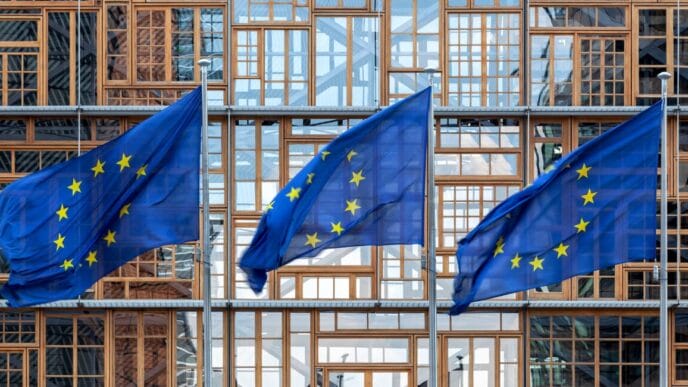
For the German registered design, formerly known as a registered design, the Community design is a sensible alternative. It applies standardised throughout the EU and, thanks to harmonisation, is subject to the same regulations as the more cost-effective German registered design. Harmonisation applies not least to the maximum term of the registration right of 25 years, which can be gradually extended.
International registration
The unregistered Community design is a particularly interesting instrument in the European context. Similar to copyright, it comes into being with the publication of the design, remains effective for three years and protects against demonstrable imitation. For internationally active companies, in addition to the individual application in the desired countries of protection via a local lawyer, the World Intellectual Property Organisation (WIPO) based in Geneva, offers a procedure in which countries can be selected individually or as a bundle from a limited number of member states. The basis for this is an international application in accordance with the Hague Model Convention, filed with the WIPO. The application is relatively easy to administer.
Author: Hans-Peter Gottfried (Patent Attorney, Dresden)