A Norwegian manufacturer of designer furniture is now using protective packaging made from expandable polystyrene (EPS), which is produced on the basis of chemically recycled plastic waste from BASF.
The Styropor Ccycled material produced by BASF offers the same properties as virgin material, helps to reduce the consumption of fossil raw materials and therefore has an improved CO2 balance. This is achieved by the use of recycled instead of fossil raw materials at the start of production. BASF supplies Styropor Ccycled to Vartdal Plast, one of Norway's leading EPS manufacturers, where it is processed into moulded parts for Ekornes' Stressless furniture.
„We are proud to be the first company to launch this unique project in the furniture industry together with Vartdal Plast and BASF. We always want to find the best packaging solution for our quality furniture, and in this case it is Styrofoam Ccycled. The material fits in perfectly with our sustainability strategy, as it has the same properties as new material but produces significantly lower CO2 emissions.“ Solveig Gaundal, Compliance and CSR Manager at Ekornes
Packaging in new goods quality
Due to its manufacturing process, Styropor Ccycled has the same properties as conventional polystyrene. This means that the special packaging properties such as Excellent shock absorption and high compressive strength which are essential for the protection of exclusive designer furniture.

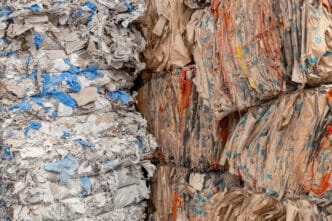
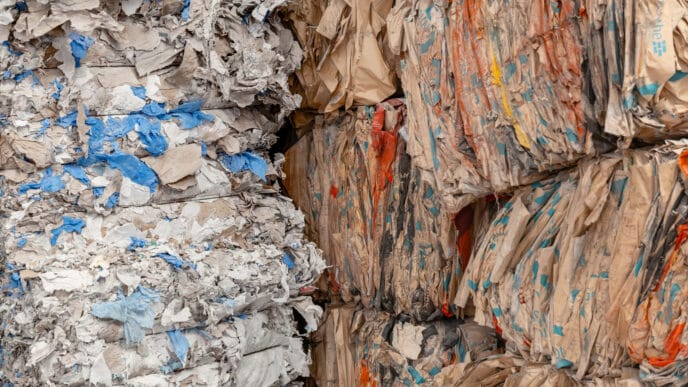
In the production of the packaging foam, which has been known for 70 years, this process replaces fossil raw materials with so-called pyrolysis oil. BASF obtains the oil from technology partners who By means of a thermochemical process, pyrolysis, plastic waste is converted into this secondary raw material. convert. This waste is otherwise utilised to generate energy or ends up in landfill. BASF uses the oil at the beginning of the value chain to manufacture new plastics and other products.
As recycled and fossil raw materials are mixed during production and cannot be distinguished from one another, the recycled content of Styropor Ccycled is processed via a Mass balance approach mathematically assigned. Both the categorisation and the product have been certified by an independent auditor. Compared to conventional polystyrene, the production of Styropor Ccycled at least 50 per cent CO2 saved.
Styrofoam Ccycled from the BASF ChemCycling project
Vartdal Plast also benefits from the fact that Styrofoam Ccycled is identical to virgin material, as the production process does not have to be adapted. The company and its products are Ecoloop certified. This confirms that 100 per cent recycled material was used as a raw material for the products sold.
„Current environmental policy focuses on reducing greenhouse gas emissions, replacing fossil resources and avoiding or utilising waste. By using products from our ChemCycling project, our partner Ekornes is actively helping to ensure that plastics are recycled after use and fed back into the material cycle.“ Klaus Ries, Head of BASF's Styrenics business in Europe
Source: BASF