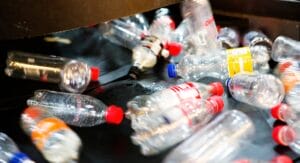
It could be an important step towards sustainability for multilayer barrier packaging: The Belgian company Solvay has demonstrated in a feasibility study that polyvinylidene chloride (PVDC) is recyclable.
At the heart of the study was the possibility of recycling food packaging waste produced with PVDC at Consistent performance of the recycled material. This process is considered an important step for sustainable packaging applications and offers potential for further applications such as the recycling of used composite packaging.
"The concept developed by our research team is intended as a circular solution for PVDC packaging. The study has shown that the recycled polymer can be reused in new applications and mixed with primary raw materials - without losing its very good barrier properties." Claire GuerreroGlobal Marketing Manager for the Packaging and Sustainability market segment at Solvay.
Material performance takes centre stage
Maintaining the high polymer quality is a decisive criterion of Solvayto find a sustainable solution. The core function of the PVDC speciality polymer is to provide an effective barrier against water, oxygen and flavour loss for the preservation of food, thereby contributing to the preservation of food. Reduction of food waste to perform. Possible restrictions on material performance would have defeated the purpose of the process.
"Of course, managing a global PVDC recycling stream is a huge challenge, which is why we invite you to work together to find a solution. We are all called upon to rise to the challenge of recycling plastic packaging and Solvay is determined to play its part." Claire Guerrero
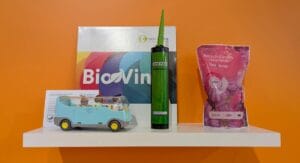
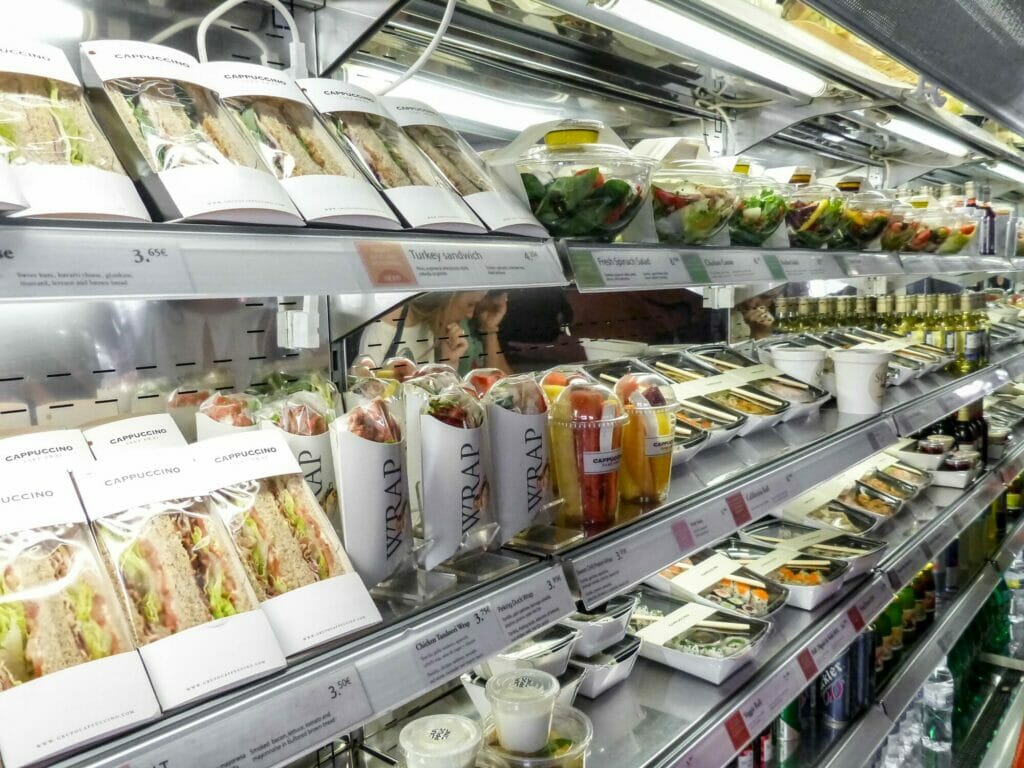
PVDC is often used in the food industry as a Barrier coating used. The polymer is mainly used in packaging for particularly fatty foods and foods with strong flavours, such as sausage, smoked fish, dairy products, coffee or tea. A recycling solution or the development of substitute materials has therefore been in the industry's interest for some time, for example through Mono materials or Bio-based coatings.
Further news from the plastics and composites sector


adapa completes refinancing

Klöckner Pentaplast significantly reduces debt

EFSA has finalised data call

Vilsa bottle combines the advantages of glass and PET