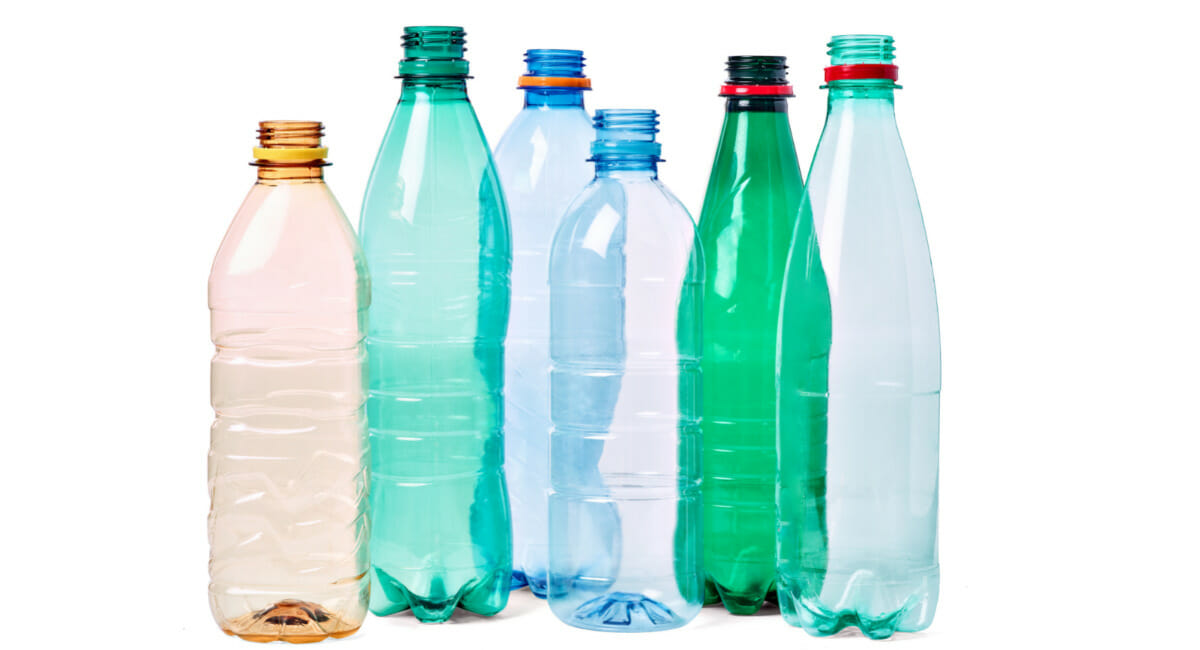
For many people, PET bottles symbolise the pollution of the world's oceans. Anyone who uses recycled PET material in the production of new PET beverage containers can also document this with the RAL quality mark.
Politicians and consumers have long been calling for environmentally friendly packaging solutions to reduce the amount of plastic waste. Companies that have the RAL quality mark for recyclable PET beverage containers They support this goal by using recycled PET material in the production of new PET beverage containers and endeavouring to steadily increase this proportion.
The criteria for the Award of the RAL quality mark - the quality and test specifications - cover the process steps in the recyclable material chain from the production of the recyclate to the production of new beverage packaging through to filling. The award criteria have now been expanded to include the production of PET flakes, the cleaned and shredded material from used PET bottles and adapted to the current state of the art.

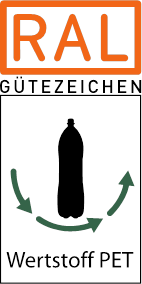
In addition, you can now also PET flakes manufacturer, the suppliers for granulate production, receive the RAL quality mark. Also new: The RAL quality mark also recognises the Recyclate content in the bottles recognised.
More recycled material in the PET recycling loop
The Quality association for the PET beverage packaging recycling chain, which brings together users of the quality mark, includes representatives from the entire recycling chain: PET recyclers who produce recyclates for food contact, manufacturers of preforms, the moulded preforms of PET bottles, through to beverage manufacturers and bottlers of mineral water and soft drinks. One criterion for the award of the RAL Quality Mark is the Use of at least 25 per cent recycled PET material in the production of new PET beverage packaging.
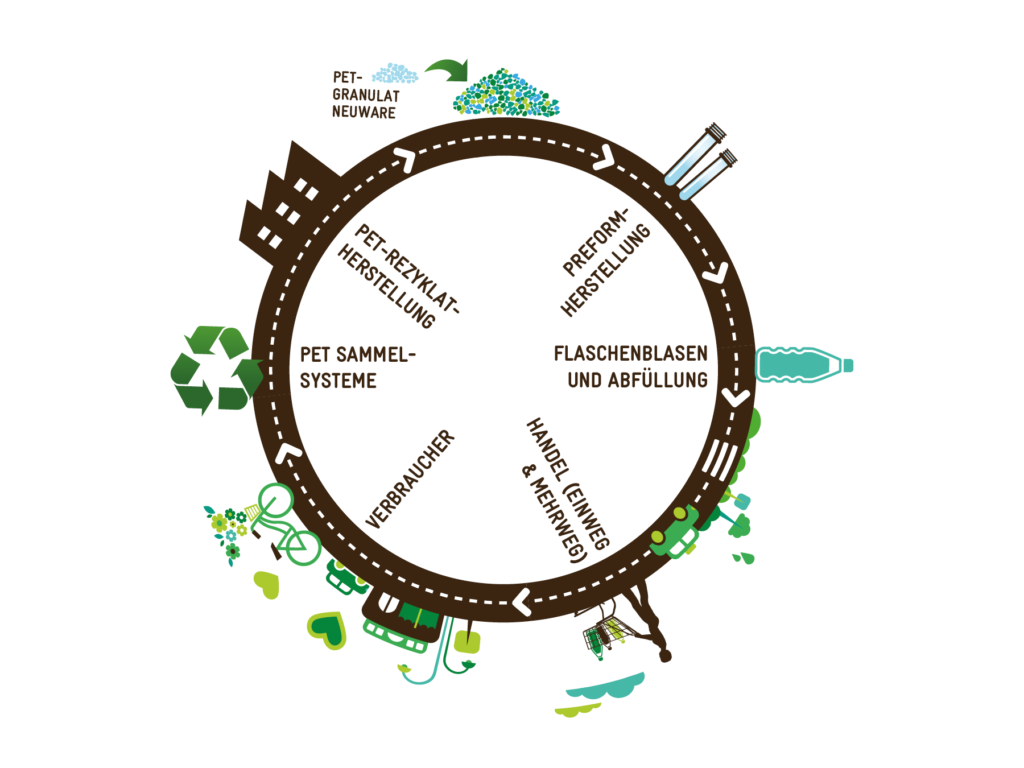
According to a study by the Society for Packaging Market Research are currently sold in German non-returnable PET bottles. on average 26 per cent PET recyclate is used. The RAL Quality Association has set itself the goal of, an average recyclate content of 50 per cent by 2022 to achieve. In this way, the companies want to make a positive contribution to environmental and climate protection and to the protection of natural resources such as water and oil. The verified indication of the recyclate content in their products is also to be understood against the background of the forthcoming EU legislation (Single-Use Plastics Directive).
Criteria for RAL quality mark for recyclable PET beverage containers extended
The criteria for awarding the RAL Quality Mark for Recyclable PET Beverage Containers set out detailed requirements for each stage of the recycling chain. The companies undertake to fulfil these requirements, continuously monitor compliance with the quality and test specifications and to document this. In addition, there is regular external monitoring of the quality mark users by neutral inspectors. This ensures that the highest quality standards are maintained in all process steps.
The Gütegemeinschaft Wertstoffkette-PET Getränkeverpackungen e. V. awards the RAL quality mark for recyclable PET to bottlers, bottle and preform manufacturers and recycling companies that comply with the quality and test specifications.
[infotext icon]RAL Deutsches Institut für Gütesicherung und Kennzeichnung has been responsible for the recognition of RAL quality marks in the product and service sector since 1925. As objective and interest-neutral labelling, RAL quality marks meet the growing demands of consumers and stand for their protection. RAL is the awarding organisation for the Blue Angel and EU Ecolabel eco-labels as well as the Stiftung Warentest test logo and the first state label for sustainable textiles, the „Grüner Knopf“ [/infotext].
Source: RAL German Institute for Quality Assurance and Labelling.