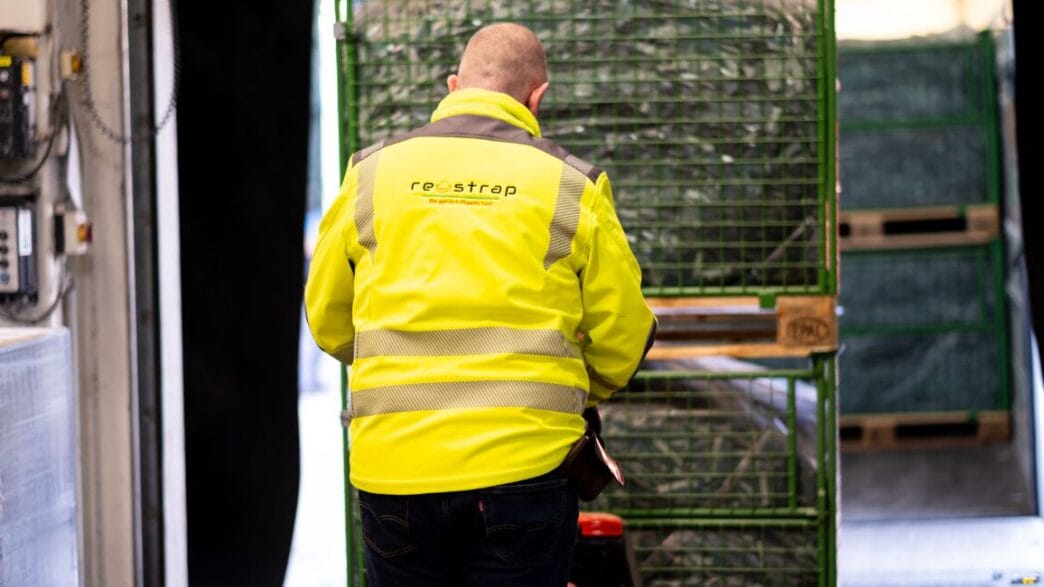
The waste disposal company Re-strap and Teufelberger Strapping Solutions have concluded a long-term agreement for the recycling of used plastic strapping. The aim is to reintroduce the material flow from the German market into industrial production.
Re-strap, which claims to be Europe's first collection and return system specifically for plastic strapping, and Teufelberger have agreed on a long-term cooperation. In future, used strapping from the German market will be systematically collected, processed and reprocessed into new strapping. This will create a high-quality material cycle that is transparent, traceable and industrially scalable.
The agreement comes at a time when the European recycling industry is confronted with contradictory framework conditions. While the demand for post-consumer recyclates will increase significantly in the medium term due to regulatory requirements and sustainability targets, the sale of recyclates is currently economically difficult. Cheap virgin material, imports and uncertainties regarding quality and verification standards are depressing prices and slowing down investment in recycling capacities.

Return to original application
With Teufelberger, Re-strap has gained a customer directly from the strapping industry for the first time. Previously, the recycled materials were used in injection moulding, compounding and 3D printing, among other things. By returning them to their original area of application, a centralised cycle is now closed. The agreement creates planning security and makes it possible to connect further collection centres without taking on additional sales risks.
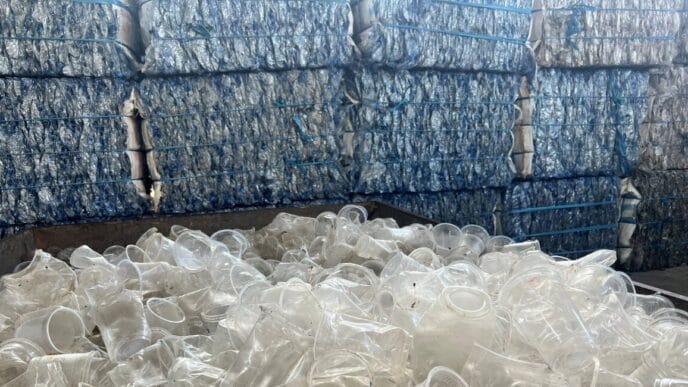
For companies that collect their used strapping via the Re-strap system, this creates a clearly structured and practical disposal route. The waste is shredded on site, collected and recycled to a high standard. The aim is to avoid downcycling or energy recovery and instead establish a closed material cycle.
Re-strap sees the cooperation as a contribution to stabilising the circular economy. Long-term supply and purchase relationships are seen as a key prerequisite for securing investments, scaling collection systems and strengthening the industrial use of recyclates in the long term.
Source: Re-strap