
October saw the launch of the new EU-funded ReBioCycle project. It aims to show that the bio-based and biodegradable plastics PLA, PHA and starch-based compounds can be efficiently recycled on a large scale and thus kept in the cycle.
Today, there is a bio-based alternative for many polymers produced from fossil raw materials. But The bioplastics material group is diverse. So-called drop-in solutions have the same chemical structure as their mineral oil-based counterparts - and are just as recyclable. Other bioplastics are characterised by new chemical structures. These include polylactic acid (PLA), starch-based compounds and polyhydroxyalkanoates (PHA). Plant operators have so far shown little interest in Development of our own sorting and recycling system for these bioplastics, as there is a lack of volume flows for worthwhile recycling. And so they usually end up in landfill sites or are incinerated.
A new EU-funded project is now looking at how these bioplastics can be mechanically, chemically and biologically recycled can. ReBioCycle aims to show that bio-based, biodegradable plastics can also be kept in the cycle for as long as possible. To this end, under the leadership of the University of Dublin/Ireland 20 European partners, including the industry association European Bioplastics.

„The recycling technologies currently available for biodegradable plastics are limited, but with this project we will make them widely available. Then no one will be able to claim that the switch to biodegradable plastics is not possible because they cannot be recycled.“
Jan Pels, CTO and Managing Director of the Dutch project partner Torwash
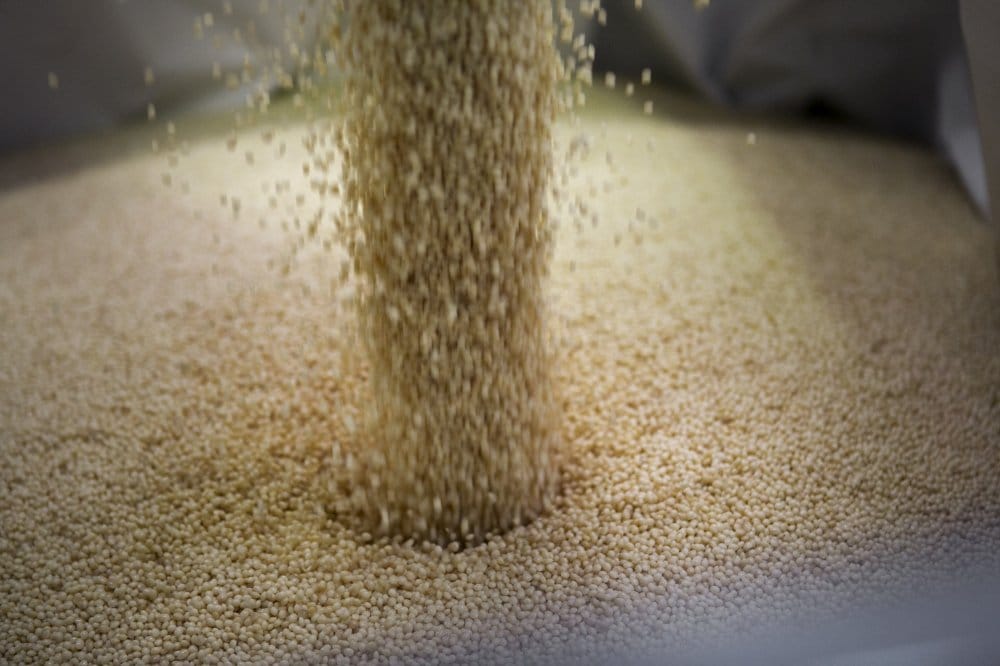
Improving sorting technologies for bioplastics
ReBioCycle wants to adapt and improve the sorting technologies for the three types of bioplastics mentioned and a portfolio of recycling technologies for bioplastics develop. The project partners then want to use data streams to demonstrate the effectiveness of the technologies, their economic viability and their potential integration on an industrially relevant scale.
Finally, a position paper on the state of the art of bioplastics recycling is intended to provide a Contribution to the various European action plans The company is committed to the implementation of a range of measures, such as the bioeconomy strategy, the action plan for the circular economy and the PPWR.
„We strongly believe that an actionable EU bioeconomy strategy should be a top priority to ensure the strength of our European industry. This will only be possible through close co-operation between all stakeholders, more political support and technological advances. The project is an excellent example of this co-operation and will significantly advance the recycling of bioplastics.“
Hasso from Pogrell, Managing Director of European Bioplastics
The ReBioCycle project is being funded with 7.5 million euros as part of the Horizon Europe research and innovation programme funded by the European Union and runs until September 2028.