In times of raw material shortages and uncertainties regarding the availability of materials, it is becoming increasingly important to keep them in circulation for as long as possible. Added to this is the changing awareness of consumers who are demanding sustainable packaging solutions. Fibre-based packaging is particularly popular as it conveys a sense of naturalness and sustainability. However, this is not always justified, as recyclability can be lost depending on the material or design. But how can a circular economy be achieved with materials such as paper, cardboard and paperboard, as well as alternative materials such as grass or silphia? The STI Group is also looking into this question, focussing on design for and from recycling.
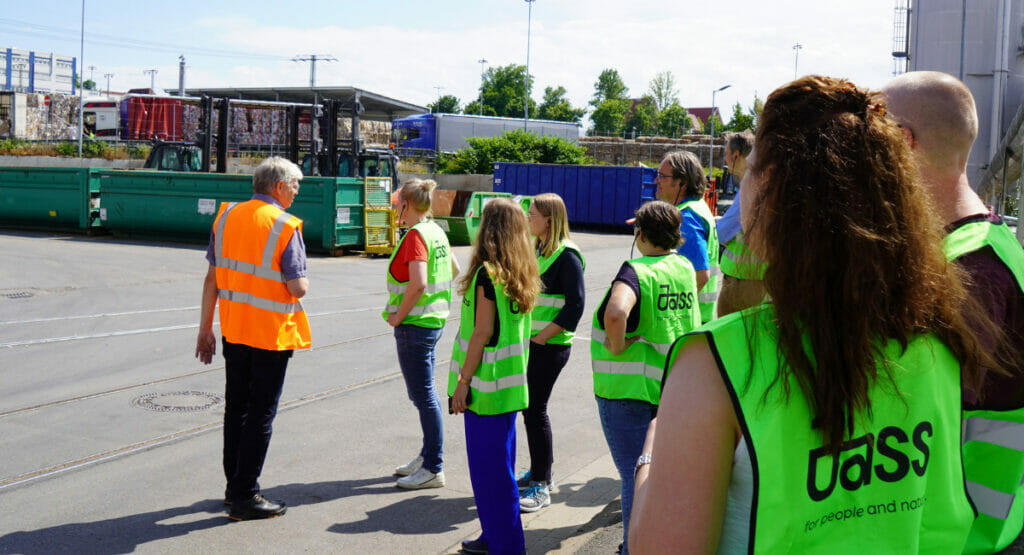
Lauterbach in Hesse on a sunny Tuesday and Wednesday. In the picturesque little town, one half-timbered house follows the next and it is difficult to choose the most beautiful one. A few hundred metres out of the town lies the work of the STI Group. Here are Folding boxes and displays for numerous customers. The cardboard or corrugated cardboard for this often comes from not far away, namely from the Adolf Jass paper mill, which is about a thirty-minute drive away in Fulda.
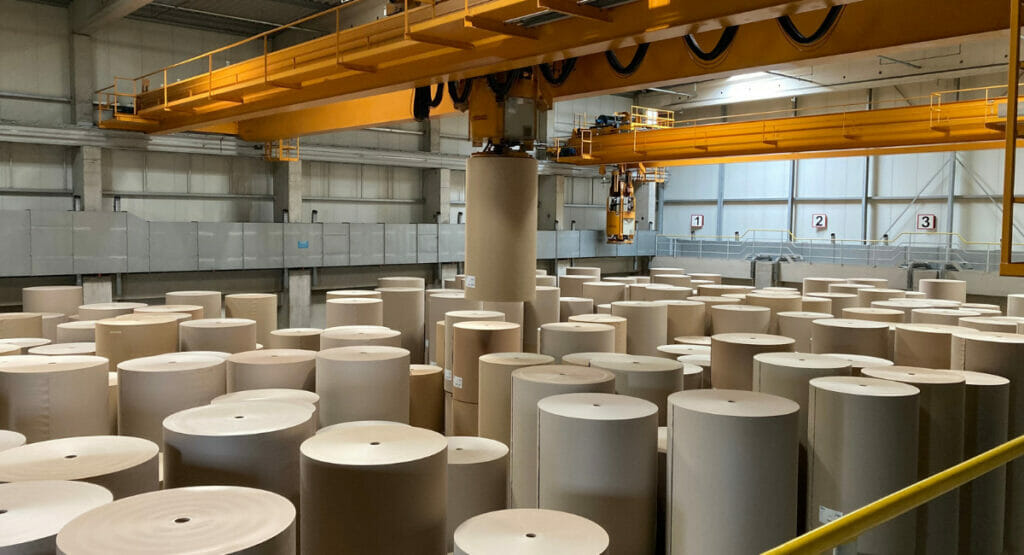
And this is where the packaging of many products that we later see and possibly buy in the supermarket begins. At the same time, it also ends here, because Jass produces new corrugated cardboard from waste paper. The The creation of the packaging material is therefore both the beginning and the end, and we are right in the middle of the circular economy. It also immediately becomes clear why When designing packaging, the recycling and the end of the first life cycle are already considered not all the waste paper that arrives here can be recycled. A small proportion is lost. For the larger part, another life begins as corrugated cardboard.

The collaboration between Jass and the STI Group then create new packaging from recycled material. In the printing plant, the corrugated cardboard is married to the printed liners and punched and folded into a wide variety of boxes. When consumers return the packaging to the cycle after use via the waste paper bin, the whole process can begin again.
Teamwork makes the dream work
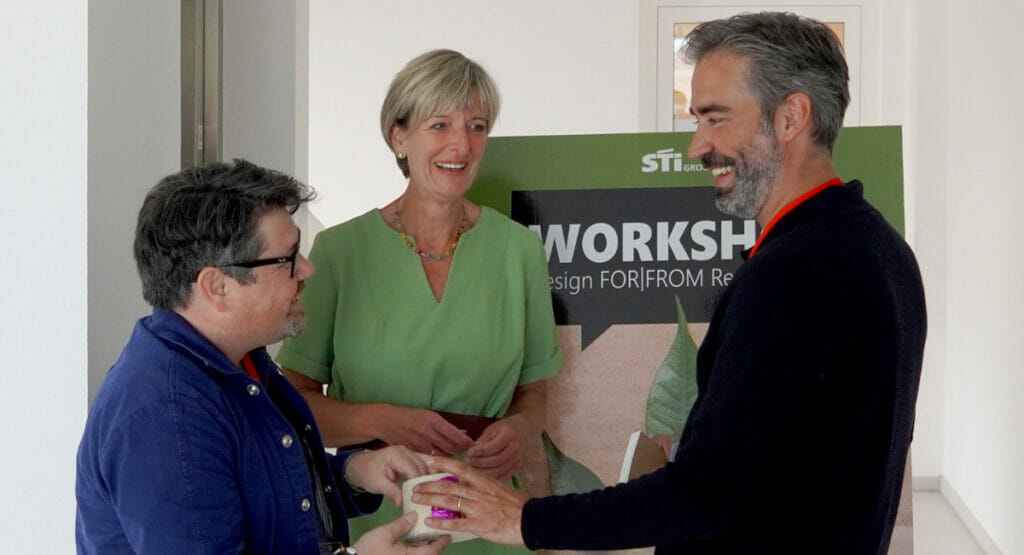
However, for this cycle to work, it depends on the development and design. This is where the STI Group's experts provide advice and support with their many years of expertise. Input from other partners. This was the case at the „Design For/From Recycling“ workshop. Which materials other than wood fibres can be used and what should be considered with regard to recycling? Various experts tried to find answers to these questions, among others. Pfleiderer uses for its Speciality papers, for example grass or wheat as a raw material source. The materials are available regionally, and by using wheat straw pulp, a residual material is utilised that is produced during the harvesting process anyway.
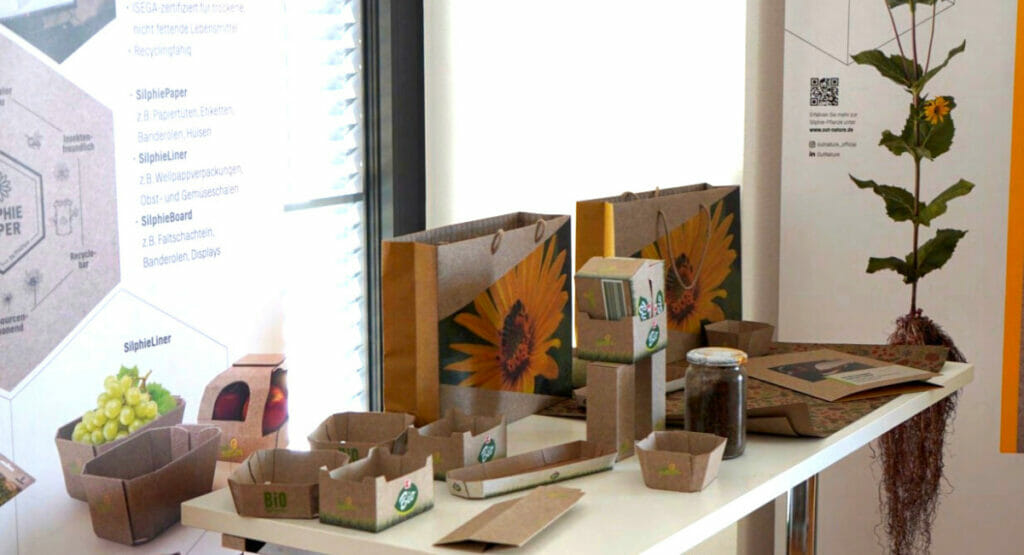
With PreZero the Schwarz Group has a company that specialises in ideas ranging from energy management to logistics. This also includes the brand OutNature, that are dedicated to Use of the Silphie plant in paper production has dedicated itself to. The plant is not only used as a source of fibre for paper production, but is also energy crop and is also used in biogas plants. Folding cartons for cress and tomatoes have already been developed and produced together with the STI Group. The paper is also used in display solutions for the always and Gilette brands.
Finding the right material
So what is important when designing packaging? Especially the packaging material, and here there are always creative and new solutions, which at the same time present new challenges can bring with it. Andreas Milk from the design agency Milk introduced primary packaging that disappears or can become part of the packaged product. Anyone ordering Soupa Soup receives a box with a bag as the primary packaging containing the ingredients for a soup. This is particularly convenient for the consumer - the bag and its contents are simply boiled in a pot of water for three minutes when the soup is prepared and dissolve in the process. The Packaging disappears and the consumer does not have to worry about disposal.
Regulations on food packaging However, they also bring to light a problem that fibre-based packaging has to contend with time and again: Paper and cardboard must be made of virgin fibre or, in the case of recycled materials, have a barrier. As the primary packaging is part of the dish, it loses its status as primary packaging and the shipping carton takes on this role. It must therefore have a coating or barrier, but this can present a difficulty when it comes to recycling. This is where the STI Group comes into play again, as it also seeks and develops solutions for such challenges. Instead of using a PE coating for folding cartons that come into contact with food, the company uses Foodbox a barrier coating in. This conserves resources and ensures complete recyclability.
So what is the conclusion to be drawn from the workshop? Something is definitely happening. Brands are endeavouring to fulfil consumer demand for sustainable products. This applies not only to the packaged product as such, but also to the packaging. And so this demand is being taken along the value chain from one station to the next, and all partners are researching and developing new ways to fulfil this demand. Making packaging and processes more sustainable. The design is not only the result of recycling, but also of recycling, as the materials are to be reused.
„Sustainability has many facets, and the recyclability of packaging is our top priority. Fibre-based packaging is renewable, has closed loops and existing recycling systems. The workshop showed that there are many additional areas of application for cardboard and corrugated cardboard packaging and that composite materials and plastics can often be substituted. The trend is towards lightweight materials - with product protection always being the top priority.“
Claudia Rivinius, Marketing Director at the STI Group
More news from the magazine


Translucent paper seal labels for pharmaceutical packaging

Packaging machine manufacturer in flow

Powerful automation for mills

Decentralised signal processing with the Schmersal Safety Fieldbox