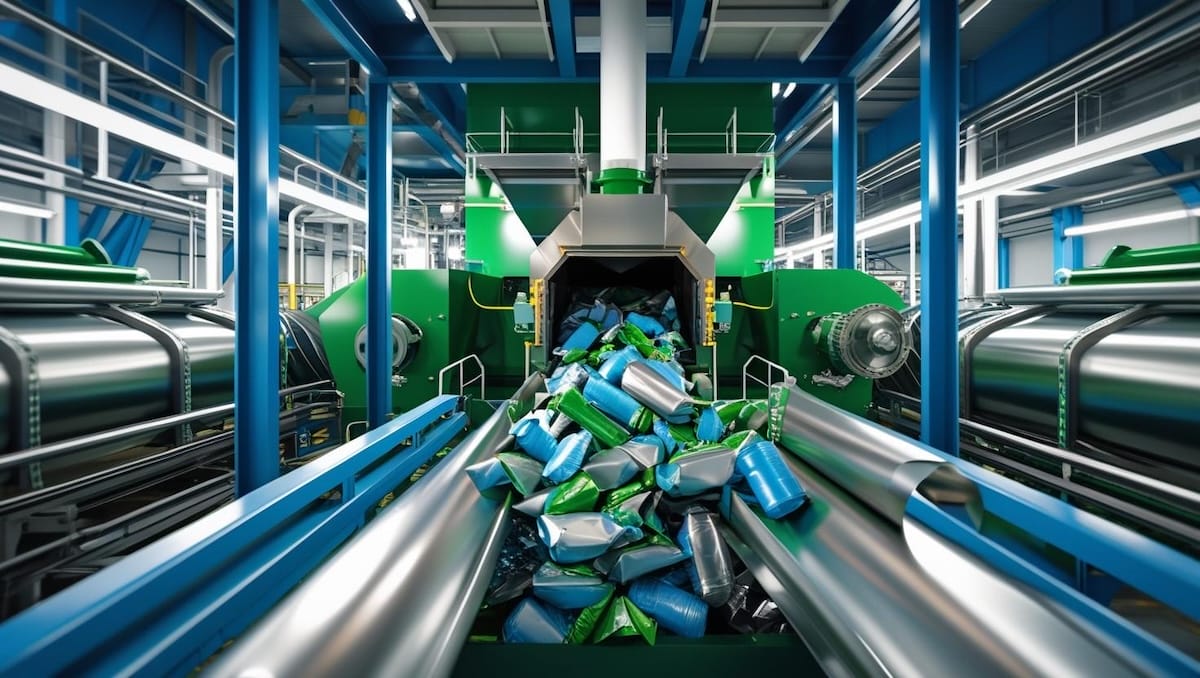
Recession, plant shutdowns, price pressure: the recycling industry sounds the alarm at the bvse annual conference. President Forster calls for political backing - and warns of dangerous export restrictions on secondary raw materials. The association sees an acute need for action, particularly in plastics and textile recycling.
In view of the continuing economic weakness in Germany, the bvse Federal Association for Secondary Raw Materials and Waste Disposal spoke clearly at its annual conference in Bad Gögging. President Henry Forster painted a critical picture: "We are in the longest recession for over 20 years - and a turnaround is not in sight."
The situation is particularly tense for the recycling and secondary raw materials industry, although it plays a systemically relevant role in the circular economy. Forster emphasised: "Our companies ensure that the industry is supplied with high-quality secondary raw materials even in difficult times - that has been the case, that is the case and that will remain the case."

International markets are indispensable
Forster was particularly critical of current political considerations to restrict the export of secondary raw materials. Although there are voices in the industry calling for domestic markets to be favoured, this does not reflect reality. In many cases, the German industry would not be able to purchase all of the available quantities.
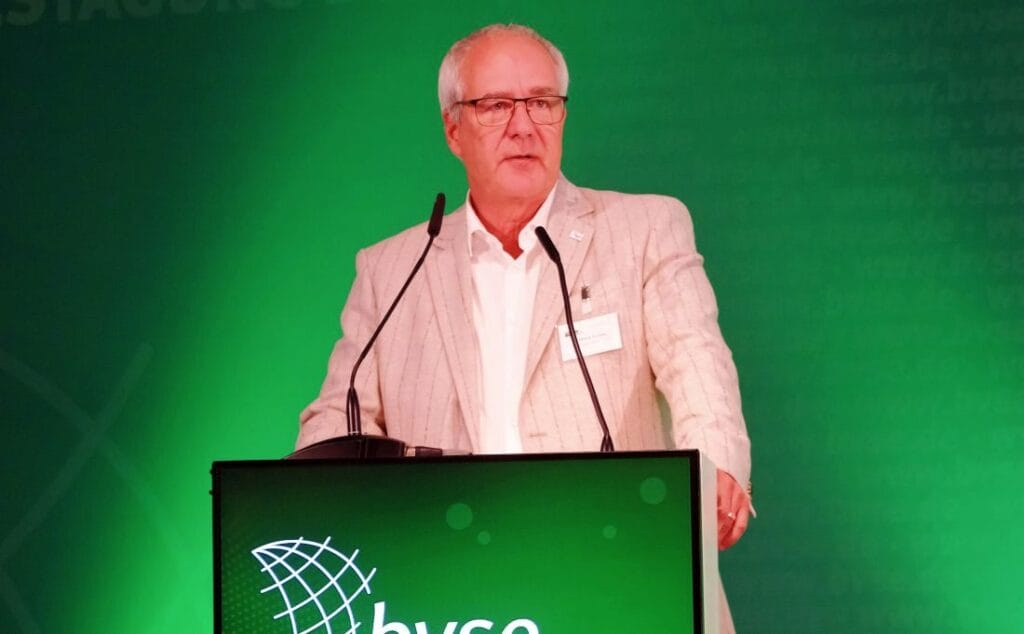
The bvse President warned of a dangerous imbalance: "If around six million tonnes of waste paper cannot find a buyer in Europe every year and cannot be exported, there is a threat of thermal recycling - a clear contradiction to the circular economy."
Only with open, international markets can a global contribution to climate protection be made. National isolationism, on the other hand, jeopardises proven material flows and low-carbon production processes worldwide.
Energy prices, bureaucracy and industrial decline
The association is very concerned about the increasing number of plant closures in Germany - from paper mills and steelworks to recycling plants. Forster made it clear: "High energy prices are poison for industry. And reducing bureaucracy must no longer remain just a political slogan."
He called on the federal government to tackle fundamental structural reforms - for example in social security contributions and administrative processes. This was the only way to preserve Germany's industrial core in the long term.
Recyclate use stagnates - lack of political will
Forster also clearly criticised the development in plastics recycling. Despite political commitments to climate protection, the actual use of recyclates is declining. The reason: recyclates are usually only used when they are cheaper than virgin material - which is rarely the case in view of low oil prices. "There is a lack of political will to strategically promote the use of recyclates," says Forster.
Illegal imports of non-standardised recyclates further exacerbated the situation and jeopardised European standards. Without binding and attractive framework conditions, the transformation to a circular economy would hardly be credible.
Appeal to politicians - and to the industry itself
At the end of the conference, Mr Forster made an appeal to politicians and businesses alike:
"The recycling industry is strong, reliable and indispensable. But it is not enough to wait for political measures. Our industry must continue to work hard to hold its own in this difficult environment."
It will be some time before concrete legislative plans, infrastructure measures and investments have an impact. This makes it all the more important now to seek a close alliance between industry, politics and the recycling sector - for a genuine, functioning circular economy "Made in Germany".