
According to Current media reports, including those from NDR, the plastics industry in Germany will not achieve its ambitious recycling targets for 2025. In particular, the expansion of chemical recycling is stagnating and numerous announced projects have not yet been realised.
PlasticsEurope Germany, the association of plastics producers, refers in this regard in a statement on several structural challenges: For example, the proportion of plastics from recyclates, biomass and chemical recycling would have to increase from the current level of around 15 per cent to 65 per cent by 2050 in order to achieve the targeted climate neutrality. However, the amount of recycled plastic is currently falling at European level in parallel with the decline in plastic production.
Chemical recycling: ambition versus reality

A key instrument in the transformation process is chemical recycling, in which plastic waste that cannot be mechanically recycled is converted back into its raw materials. In fact, only around 120,000 tonnes of fossil raw materials could be replaced by chemically recycled ones across Europe in 2024 - significantly less than the target of 900,000 tonnes by 2025.
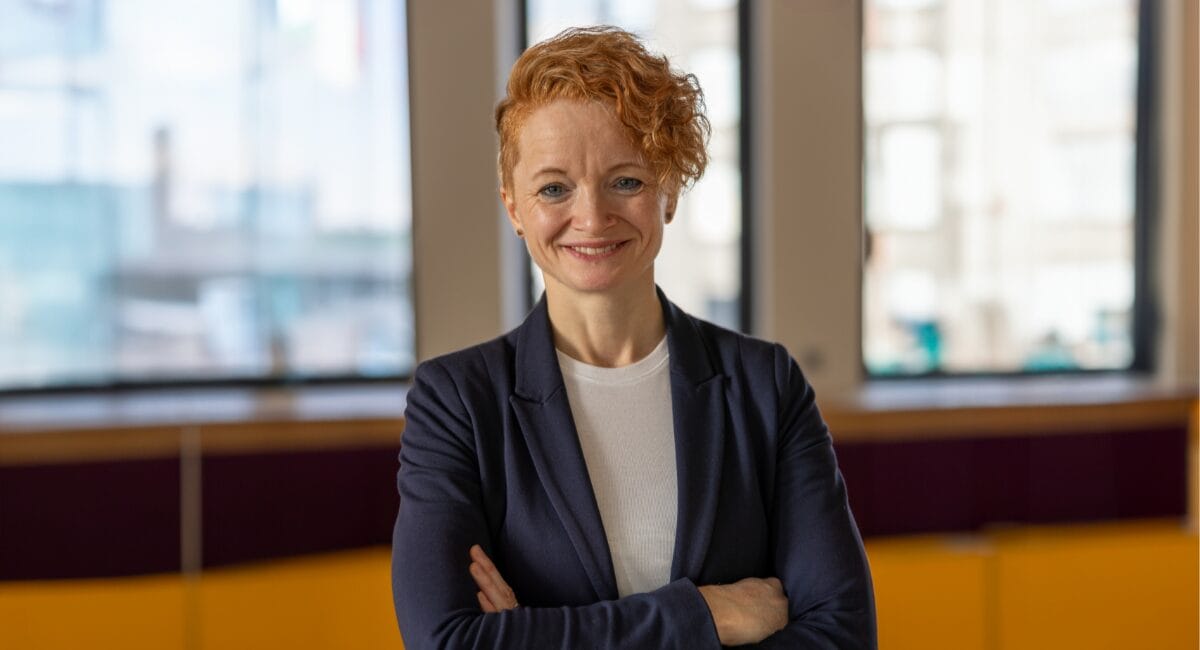
Dr Christine Bunte, Managing Director of PlasticsEurope Germany, criticised the political framework conditions to packaging journal:
„Without competitive energy prices, an accelerated expansion of renewable energies and simplified authorisation procedures, there will be no planning security. Sustainable products are often more expensive. Without clear political signals, there will be a lack of demand to secure investments.“
Diversity of technologies necessary
According to the association, the transformation to a climate-neutral circular economy requires all available recycling paths: mechanical and chemical recycling, the use of biomass and the prospective use of CO₂ as a raw material. Chemical recycling is not a universal solution, However, it can be used where mechanical processes reach their limits - for example with heavily contaminated or mixed plastic waste.
Studies by the Federal Environment Agency and the EU Commission have confirmed the ecological potential of such technologies. However, a functioning circular economy also relies on circular product design, resource efficiency and the expansion of reusable and take-back systems.
Criticism of blanket bans
Bunte also warns against indiscriminate demands for a reduction in plastics production:
„It is often overlooked that plastics are used specifically to reduce CO₂ emissions - for example in automotive engineering, building insulation or medicine.“ Also in the Packaging area the reduction in plastic content without equivalent alternatives could lead to an increase in emissions, as a study on the material efficiency of packaging materials shows.