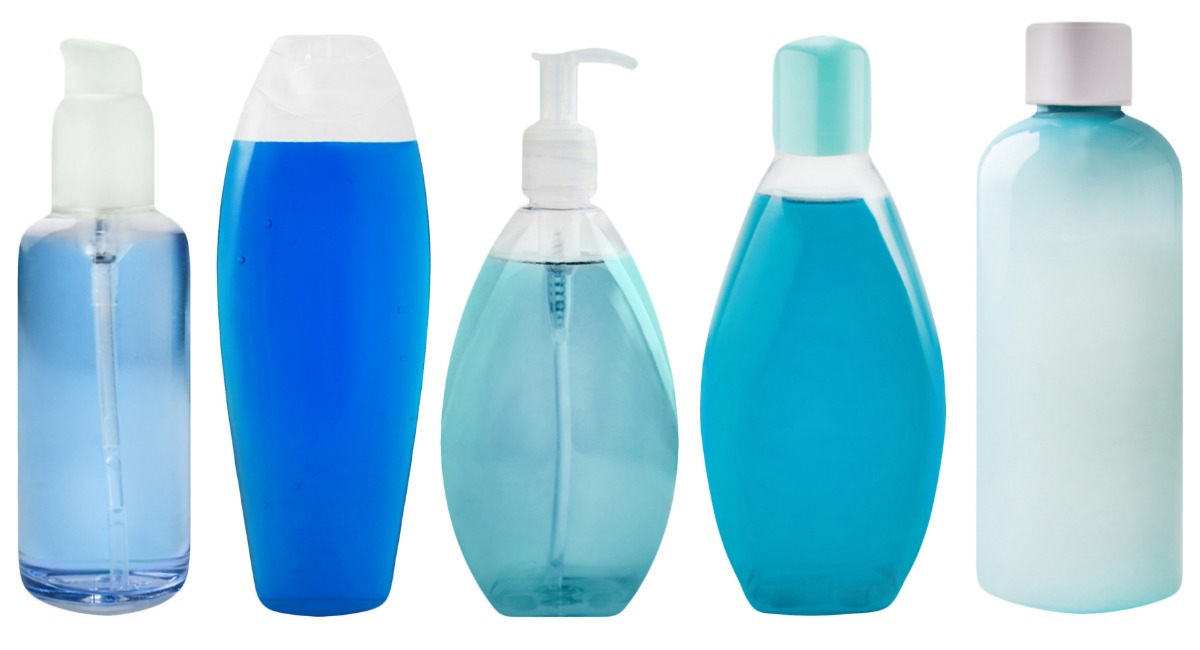
Beiersdorf wants to use the first cosmetics packaging made from almost 100 per cent certified PP from renewable raw materials in 2021. To this end, the company is now entering into a partnership with the chemical company Sabic.
The aim is to bring sustainable cosmetics packaging onto the market that certified, renewable polypropylene (PP) from Sabic's TRUCIRCLE product portfolio use. Fossil raw materials are replaced by plant-based ones in the production of the renewable PP. In this way, the skincare company wants to contribute to further reducing the use of fossil-based virgin plastic in its product packaging.
Industry pioneer in the use of renewable PP
The starting point for the sustainable plastic is a by-product from the paper industry. The so-called Crude tall oil is produced during the processing of wood into pulp. This plant-based by-product replaces the equivalent amount of fossil crude oil, which is usually used for the production of plastic. The renewable PP not only conserves fossil raw materials, it is also more climate-friendly, as significantly less CO2 emissions are caused.

„The reduction of fossil raw materials in our portfolio is very important to us. The use of renewable raw materials in our product packaging is a key factor in reducing our emissions and minimising our ecological footprint. We are driving this issue forward with a lot of energy and are proud of it, to be the first in our mass market segment to use PP made from renewable, plant-based raw materials as packaging material for cosmetic productsn. We are delighted to have Sabic as a strong, experienced partner at our side. Together, we want to contribute to the raw material transition and take another step towards achieving our ambitious sustainability goals. We want to launch the first products with packaging made from almost 100 per cent certified PP from renewable raw materials as early as 2021.“ Michael Becker, Head of Global Packaging Development at Beiersdorf.
Sustainable packaging plays a central role for Beiersdorf. As part of the sustainability agenda Care Beyond Skin you define your own focus field For Fully Circular Resources. It stands for the company's vision of realising a circular economy.
Ambitious targets for sustainable packaging
The skincare company has defined ambitious targets that it wants to achieve within five years. By 2025, the company wants to realise 100 percent recyclable, refillable or reusable packaging. At the same time, the Proportion of recyclate in plastic packaging to rise to 30 per cent. Over the same period, the use of petroleum-based virgin plastic is to be reduced by 50 per cent (base year 2019). This is precisely where the cooperation with Sabic comes in: The new types of packaging made from renewable PP reduce the use of fossil raw materials, are 100 per cent recyclable and cause significantly less CO2 emissions.
„Innovative cosmetics packaging that uses our certified, renewable PP and PE polyolefins can make a significant contribution to conserving fossil resources and reducing greenhouse gas emissions. The Plant-based materials offer simple drop-in solutions for existing fossil-based raw materials. based plastics conversion processes, without compromising on purity, quality, safety or simplicity. SABIC is determined to support its partners in realising this potential.“ Sergi Monros, Vice President of Performance Polymers & Industry Solutions for Petrochemicals at SABIC.
Traceability via mass balance system
The certified renewable polymers from SABIC based based on a mass balance approach in accordance with the recognised International Sustainability & Carbon Certification (ISCC PLUS) scheme. Using the mass balance system, the proportion of renewable raw materials used at the beginning of the plastic manufacturing process can be mathematically allocated to the packaging or end products. In this way, manufacturers can quantify the sustainable raw material selection and advertise it on the product. The ISCC PLUS-accreditation verifies that mass balancing is carried out according to defined and transparent rules. The certification also provides traceability along the entire supply chain, from the raw material to the end product.
Source: Beiersdorf