The proportion of beverages filled in reusable packaging was only 41.2 per cent in 2018, one percentage point less than in 2017. Even canned beer is being consumed more again. The downward trend of recent years has thus continued. This is shown by a recent analysis commissioned by the Federal Environment Agency (UBA).
Beverage consumption in Germany is analysed every year. The latest data for 2018 now shows Losses again for returnable bottles. Since 2000, non-returnable plastic bottles have been strongly displacing returnable bottles in all beverage segments. In the meantime, the market has become saturated and the proportion of disposable bottles is increasing less rapidly. However, there are new changes towards disposable.
Proportion of reusable packaging too low
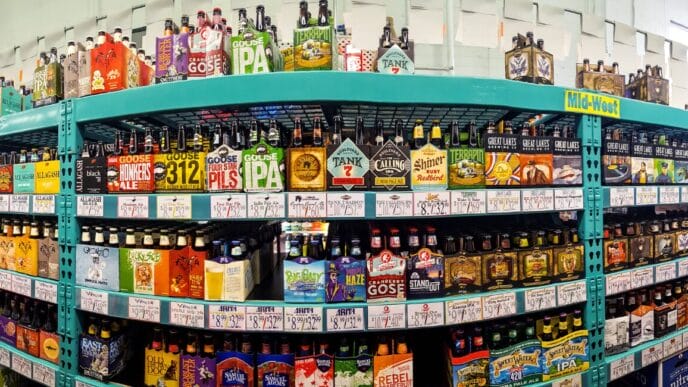
For beer, for example, a reusable share of over 80% has been achieved since the introduction of the mandatory deposit. However, as beer cans are selling more again, the proportion of reusable bottles for beer was also below 80 per cent in 2018 at 79.5 per cent.

On the other hand The first effects of the discussions about excessive packaging consumption on water. Here, the proportion of reusable bottles rose by 0.7 percentage points. However, at 38.8 per cent, it is well below the statutory target.
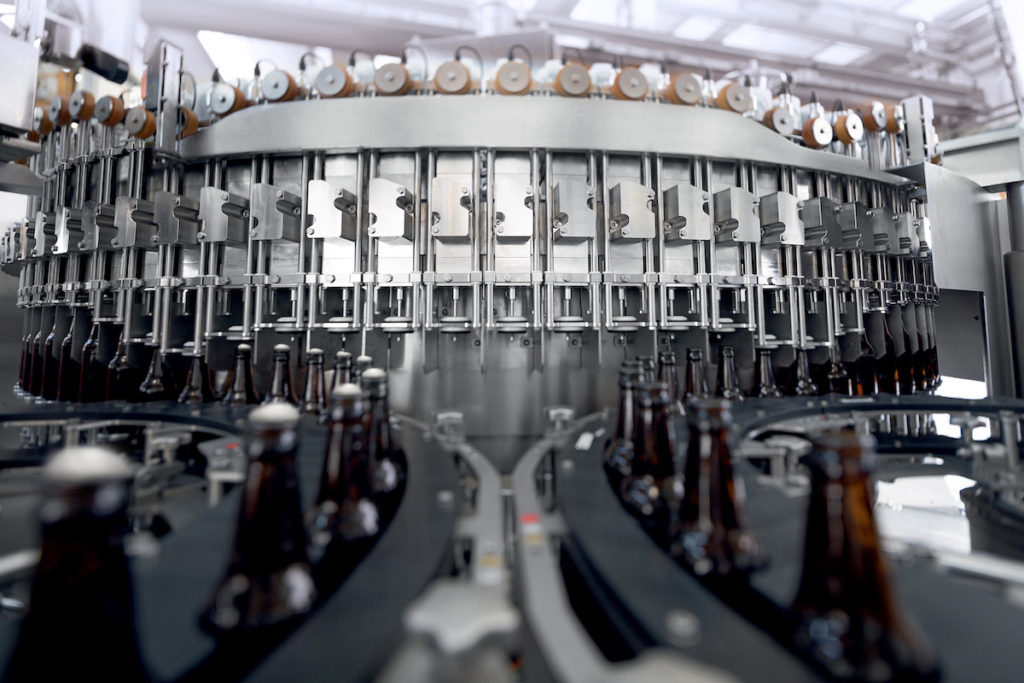
The report shows that More and more beverage bottlers are using their own customised bottlesinstead of using standardised bottles from a Germany-wide pool. In the beer sector, 15 per cent of returnable bottles were individualised in 2012. By 2017, however, their share had risen significantly by 27 percentage points to 42 per cent. At 43 per cent, the proportion of individualised bottles among beverages with a deposit is of the same order of magnitude.
Individual bottles are unproblematic for regional beer. On the other hand, individual returnable packaging with long transport distances can cause unnecessary CO2 emissions. As reusable bottles are generally only taken back where these types of bottles are sold, large Germany-wide pools are easy for consumers to manage. Promoting reusable bottles must also have an impact on this development. It is therefore particularly welcome that four large breweries have signed up to the Introduction of a new shared bottle pool with a 0.33-litre longneck bottle, and thus strengthen the reusable system.
Packaging law requires 70 per cent reusable packaging
The calculation rules of the new Packaging Act will apply from the next reporting year 2019. This has the target of 70 per cent reusable packaging set. The current study therefore also determined beverage consumption in accordance with the new requirements for the first time. Among other things, the extension of the mandatory one-way deposit to carbonated nectars and soft drinks with a whey content has changed the reference value for calculating the reusable quota. The result: according to the calculation rules based on the Packaging Act the actual proportion of reusable packaging is only 41.1 per cent.
The The Federal Environment Agency is examining measures in a research project that has just begun such as binding sales quotas, reusable target quotas for companies with a revenue-neutral bonus/malus system, packaging tax or levy and other legal or economic measures to determine whether they are suitable and effective for increasing the proportion of reusable packaging.
Source: Federal Environment Agency