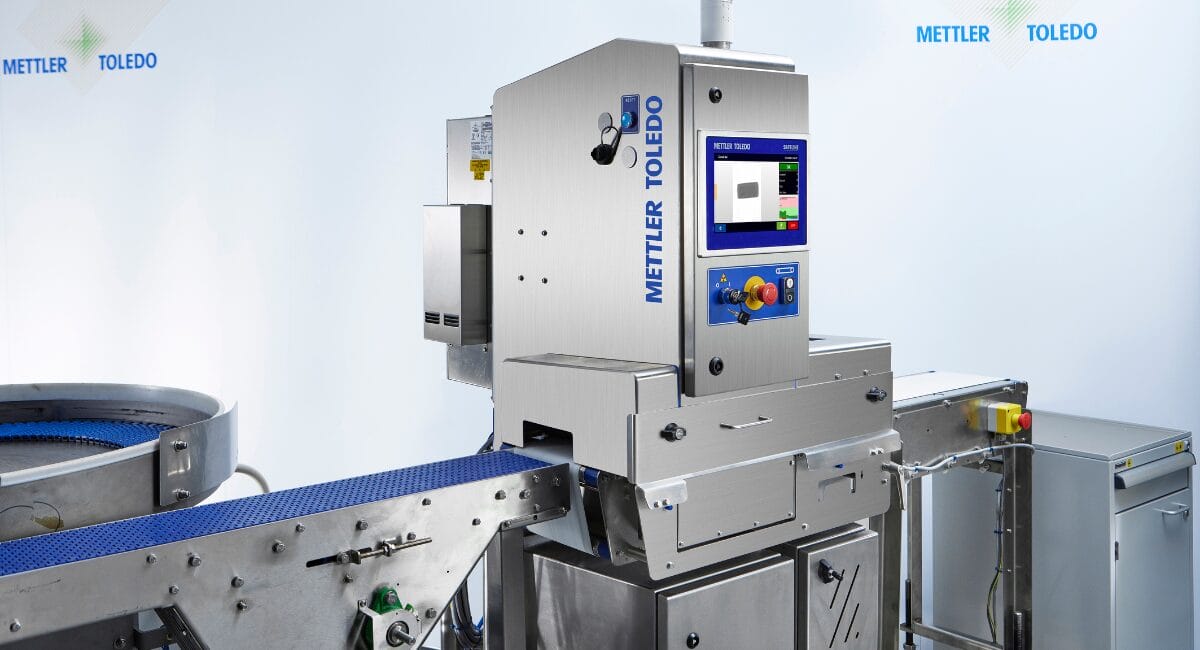
X-ray inspection systems in the packaging sector detect foreign bodies, identify incomplete or missing products and recognise damaged packaging. Mike Pipe, Head of Global Sales at Mettler-Toledo Safeline X-ray, has summarised for us how pharmaceutical manufacturers can benefit from investing in x-ray inspection.
When manufacturing pharmaceutical products, there can be no compromises in terms of quality standards. Regardless of whether a medicine is available in liquid form or as a tablet, foreign bodies must be recognised and removed. In addition, the dosages and fill levels must be correct and the integrity of both the packaging and the product must be flawless.
Foreign body detection is a critical aspect of product inspection for any pharmaceutical manufacturer. X-ray inspection systems can inspect products for metal and other foreign bodies both early in the production process and at the final packaging stage - after packaging in blister packs. By measuring the differences in absorption between low and high density materials, the technology provides a first class Detection performance against foreign objects such as metal, glass and certain plastic and rubber compounds, regardless of the shape, size or position of the foreign bodies in the product.

Maintaining product and packaging integrity
However, X-ray inspection systems can also Additional tasks in quality control This includes checking the completeness of products, including counting components and identifying damaged components as well as recognising damaged packaging, checking the seal quality to detect product residue trapped in the seal edge and identifying missing components such as screw caps. A fill level check is also possible - deviations in fill levels between individual products are recognised in the X-ray image, e.g. if underfilled and overfilled products in the same pack result in an apparently correct total weight.
Avoidance of product recalls
Implementing a well-designed x-ray inspection programme can also reduce the risks and costs associated with product recalls. During X-ray inspection, the systems assign specific inspection codes to each product run, which can be compared with the batch data from checkweighers. This means that in the event of a recall, only smaller contaminated batches may need to be withdrawn from the market instead of an entire production run.
The technology also contributes to brand protection. Inadequate product inspection can jeopardise the health and safety of patients and, in cases of doubt, result in far-reaching legal action. This can have a significant impact on public confidence in the brand - not to mention the brand's reputation in the industry - and cause additional delays and costs in bringing products to market.
Compliance with regulations
In a highly regulated industry such as the pharmaceutical industry, compliance is crucial, both for patient safety and for promoting responsible drug supply. Therefore, quality assurance programmes must be robust and comprehensive, and risks must be identified and minimised. This is where x-ray inspection technology can play a crucial role. Contribution to ensuring conformity perform. In addition, modern X-ray inspection systems keep digitalised records of activities to support manufacturers in meeting legal requirements.