To ensure seamless inspection of flexible packaging solutions, ISRA Vision has now developed multi-view functions for its 100% PrintSTAR inline inspection system
The high quality requirements for flexible packaging can only be reliably met by using highly developed web inspection systems. To achieve even better results, innovative multi-view functions are now available for the 100% PrintSTAR inline inspection system. Several camera banks cover additional inspection functions simultaneously.
The technology also recognises initially invisible Production defects such as hazing and cold seal defects. With the help of precise fault detection tools, only relevant faults are reported. The bottom line is that the extended inspection solution leads to a Significantly lower material consumption and waste and ensures reliable and profitable production for the manufacturer.

Cold seal application for safe inspection
Cold sealing defects are usually only seen when it is already too late. Even for optical inspection systems, reliable defect detection on often highly reflective surfaces is a real challenge. Added to this is the complex task of detecting register defects on non-transparent films. In the production process, print marks are therefore still used to align cold seal patterns with the print.
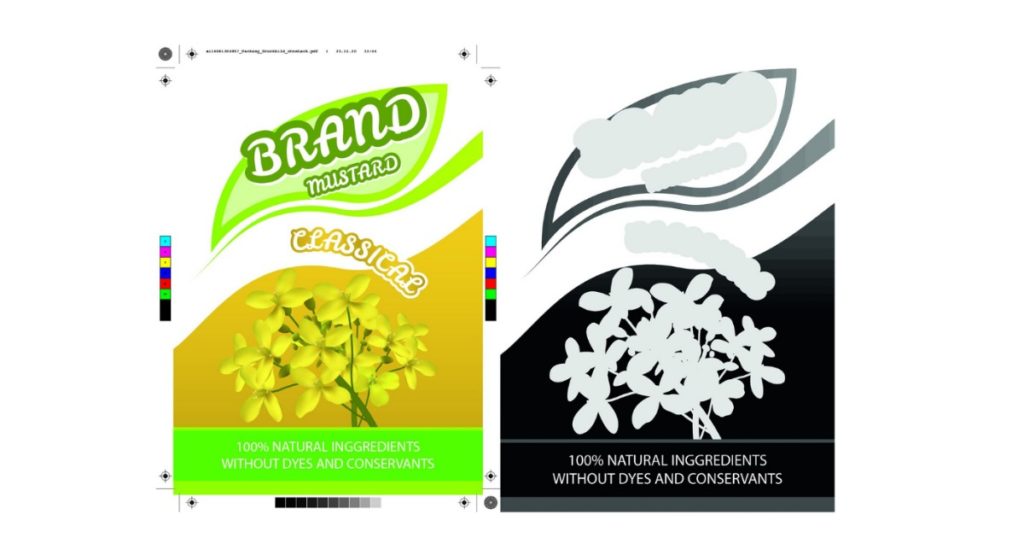
ISRA is now offering the proven 100% inline inspection system PrintSTAR one Cold seal application specially developed for the detection of cold seal defects which effectively and sustainably increases process reliability.
Double-sided film inspection detects cold seal defects
By using high-resolution LCD cameras in combination with ultra-bright LED lighting, the cold sealing application recognises both single and repeated cold seal defects, such as contamination, in real time. The register accuracy of the front and back is also checked. A technical approach with a unique selling point was implemented for this purpose: The Inspection is carried out simultaneously by both channels with superimposed display. If the sealing layer on the reverse side does not match the print image on the front side exactly, the operator is informed immediately with an acoustic signal.
Another side effect of the inspection solution is that the printing marks that slow down the process are no longer required. If these no longer need to be set, the film width to be printed is also reduced and material costs can be saved accordingly.
Reliable inspection of paint and lamination
Seamless inline print inspection is also available for the inspection of protective coatings or finishes on flexible packaging. In order to detect defects on the front and back at the same time, the webs are also inspected simultaneously from above and below. Permanently installed image acquisition units with fast, high-resolution line scan cameras and special, ultra-bright LED lighting are used.
Defect inspection beyond the standard: recognising hazing defects
Hazing, also known as fogging, defects are usually caused by a squeegee, cylinder or ink. The undesirable, usually slight and even colour transfer outside the image area on transparent substrates are Invisible to the operator and are only discovered and complained about later in the downstream production process - or in the worst case only by the customer. If such a defect runs through production as a continuous veil of colour, the entire material must be destroyed and reprinted at great expense.
Hazing defects are difficult to detect. The PrintSTAR inspection system, upgraded with „Advanced Hazing Detection“, can reliably inspect this impairing toning for the first time. Sophisticated line scan cameras detect the entire web and automatically recognise the defects that the human eye cannot see during the printing process.
Source: ISRA Vision