This Thursday is Earth Overshoot Day, which means that this year the world's population has already consumed as many natural resources as the Earth can renew in a year. Effective solutions for resource and climate protection are therefore becoming increasingly urgent. A recent study shows that proper waste separation and the recycling of packaging can make a contribution.
To reduce the burden on the environment, consumers should definitely Dispose of empty glass and lightweight packaging as well as paper, cardboard and carton separately from other waste. But what are the benefits of their involvement? This question is answered by a recent study by the Öko-Institut: In Germany, for example, the recycling of used packaging in 2020 around four million tonnes of secondary raw materials produced - an important source of raw materials for the manufacture of new products.
„Both the quality and the quantity of raw materials recovered through packaging recycling continue to increase. The better we separate our waste, the more recyclable materials we can keep in the cycle. In this way, we effectively conserve our resources.“
Axel Subklew, Spokesman for the initiative „Waste separation works"
Display
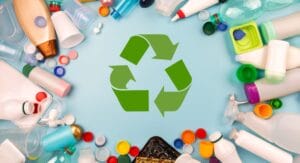
The basic rule for correct waste separation is simple - the effort is low: Lightweight packaging made of plastic, aluminium, tinplate and composite materials such as beverage cartons belong in the yellow bin or the yellow bag. Paper, cardboard and cardboard go in the waste paper bin. Glass bottles and glass containers are sorted by colour and thrown into used glass containers.
Earth Overshoot Day - a reminder
The study by the Öko-Institut also shows that waste separation and recycling not only conserve resources, but also minimise waste disposal. also reduce the emission of climate-damaging greenhouse gases and thus make a significant contribution to climate protection. This is because the collection, sorting and recycling of packaging from the yellow bin and yellow bag, glass, paper, cardboard and paperboard saves 1.95 million tonnes of CO2-equivalents have been saved. That is so much as one person would fly 1.38 million times from Berlin to New York.
Every year, the international sustainability organisation Global Footprint Network The date of Earth Overshoot Day is a reminder of the importance of solutions to protect biological resources for our planet. Humanity is currently extracting 74 per cent more biological resources from the earth than can be regenerated by nature within a year - as if we had 1.74 earths at our disposal and not just one.
BDE also continues to support the transformation of the economy
The BDE Federal Association of the German Waste Management, Water and Recycling Industry pleads in favour of a clear course towards a circular economy. According to the association, a consistent transformation to a circular economy is the right approach because it consistently focusses on CO2 reduction.
„This year's Earth Overshoot Day comes at a time when many countries around the world are facing dramatic challenges. Nevertheless, serious events such as the war in Ukraine or the energy shortage must not lead to a change of course in economic policy. Even if the global demand for raw materials continues to rise and the consequences of overstretching the earth are becoming ever more apparent, it would be a mistake to carry on as before. We need measures that minimise environmental pollution. We must use resources worldwide and not consume them.“
Peter Kurth, BDE President
Kurth continues: „Earth relief means, in particular, a reduction in CO2 emissions. The circular economy alone cannot solve the problem of earth overload, but it can make a sustainable contribution to the urgently needed relief of our planet. If we consistently keep the recovered materials in the cycle and reuse them, we not only create a circular economy worthy of the name, but also have an effective tool for reducing CO2 emissions.“
According to the BDE President, the effects of the circular economy are already having an impact to some extent, but have not yet realised their full effect. The circular economy will therefore play a decisive role in reducing CO2 emissions. Therefore The politicians in Berlin and Brussels must create a sensible framework for this.
Sources: Waste separation works„ initiative / BDE
Recycling - More news


BDE calls for improvements to the Packaging Act

UBA and ZSVR: packaging recycling works

Waste disposal associations support plastic levy

BDE calls for „Made-in-Europe“ regulation for recycled plastics