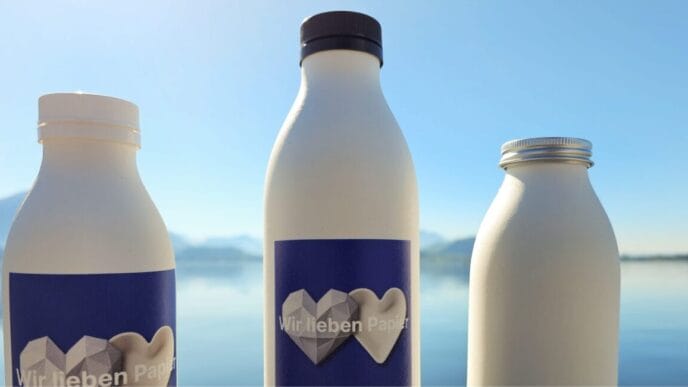
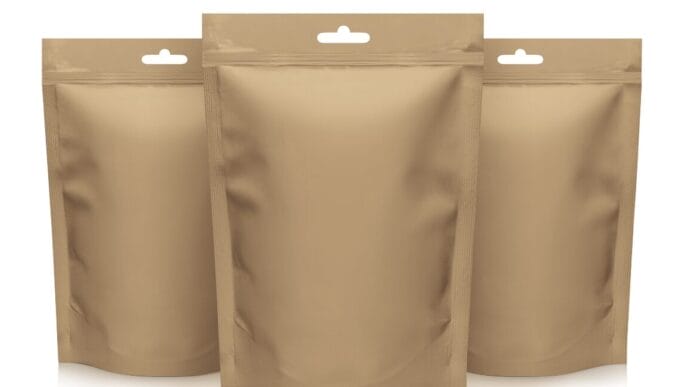
In a joint project for organic cereal manufacturer Bauck, Sappi and Rovema have switched production to sealable, paper-based packaging materials.
The trend towards environmentally friendly, resource-saving materials continues. However, many food manufacturers are still reluctant to switch from plastic-based solutions to paper. However, a joint project between Sappi and packaging machine manufacturers shows that this is possible even where strict sustainability guidelines apply. Rovema: For Bauck, which produces according to Demeter and organic standards, production was reduced to sealable, paper-based stand-up pouches made from Sappi Guard Nature 1-MS converted.
At Bauck GmbH in Rosche, Lower Saxony, around 139,000 packs of organic flours and flakes as well as organic baking mixes roll off the production line every day. While product safety alone was initially the main focus when packaging the sensitive foodstuffs, Bauck was able to make a significant leap forward with an intensified packaging concept. Customer demand for sustainable packaging materials confronted.

„For us as a manufacturer of organic and Demeter products, it is important to also offer more sustainable packaging solutions. Our customers are very attentive to this issue and have repeatedly requested this. That's why we started to reorganise our processes in 2019 and now use paper-based packaging for most of our products.“ Hannes Öhler, Head of Marketing & Communication Bauck GmbH
A changeover was not possible for all products. For products such as oat pops, which absorb moisture easily, it was not possible to completely dispense with plastic, but it was possible to switch to recyclable mono-PP. In order to switch processes to paper-based packaging wherever possible, Bauck received support from its long-standing partner Rovema and the paper experts at Sappi, which together form a Solution consisting of machine and barrier paper delivered.
Handle sealable paper bags with care
Unlike stand-up pouches or flat pouches made from composite materials, the resource-saving, paper-based alternatives have to be handled much more carefully in the packaging process and during pouch production. Paper tolerates little tensile stress and can tear more easily. And during subsequent filling, much greater attention must generally be paid to the puncture resistance of the paper used. „In addition, the material must be also during secondary packaging, transport to the warehouse and then to the supermarket, where the product is touched, pressed or even squeezed by customers,“ explains Markus Stahl, Production, Packaging & Mixing Manager at Bauck. „In order to find the perfect material for us, Rovema and Sappi ran numerous tests over several weeks to find the Interaction between packaging material and packaging machine and harmonise them with each other.“
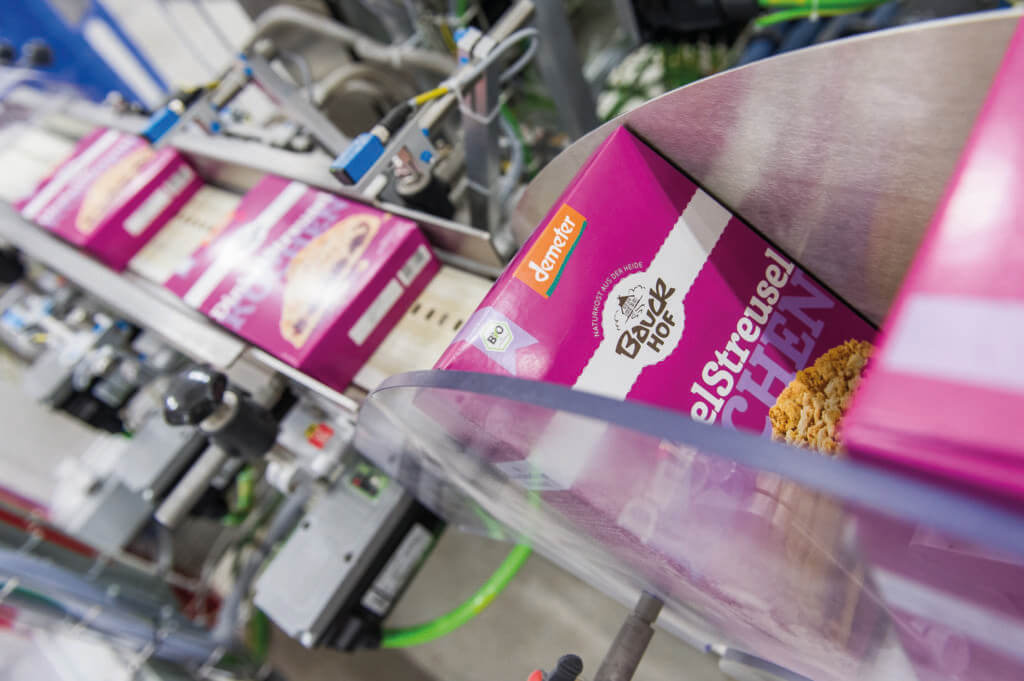
Sappi Guard Nature1-MS in a grammage of 95g/m² was ultimately identified as a suitable substrate for Bauck. The paper-based packaging solution showed a Ideal mix of mouldability and stability when forming the paper bags from the flat web and the folding and wrapping process to the final, compact block bottom bag - a type of packaging not previously used by Bauck. Sappi Guard Nature1-MS is characterised by an integrated mineral oil barrier (MOSH/MOAH) and high heat sealability.
„Guard Nature 1-MS makes additional special coatings or laminations superfluous. For Bauck, where resource-saving packaging is particularly important, the barrier paper is a sustainable alternative to multi-layer barrier films. A major advantage is that Guard Nature 1-MS can be recycled in the paper waste stream.“ Sibylle Hajostek, Market Manager Functional Papers at Sappi Europe
The switch to paper-based solutions has paid off for Bauck: „Consumers are very satisfied with the paper packaging. The Dispensing with plastic is very favourably received here“, says Hannes Öhler. „Since introducing the new packaging, we have been able to reduce the proportion of plastic packaging for branded products by around 80 per cent. For us, this is a very important step on the way to using resources as sparingly as possible and living up to our corporate values.“
In addition to the current oat flakes, other products such as spelt flakes and 3-, 4- and 6-grain flakes are to be converted to the new packaging as soon as possible.
Source: Sappi