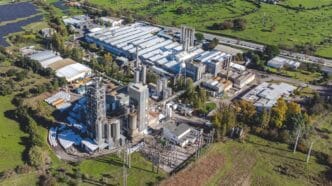
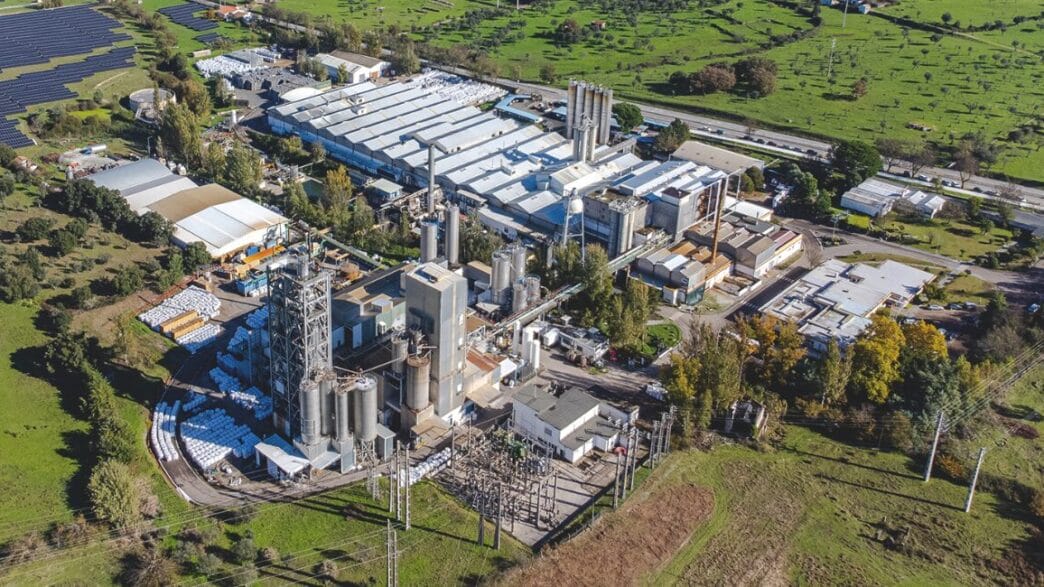
Selenis plans to double its production capacity in Portugal by 2027. This will support the global transition to circular and low-carbon polyester and strengthen the company's position in the industry, according to the statement.
Increasing demands on the sustainability and recyclability of packaging materials are forcing companies around the world to adapt. Selenis, a leading supplier of high-performance polyesters, is responding to this trend with a significant expansion of its production capacities in Portalegre, Portugal. The site's capacity is set to double by the third quarter of 2027 in order to meet the growing demand for bio-based, medical and circular co-polyesters.
Strategic investment in sustainable production
The planned expansion of Selenis is not only a response to increasing demand, but also a step towards more sustainable production. The use of state-of-the-art technologies will improve the plant's energy efficiency and reduce CO2 emissions. This is in line with global efforts to use more environmentally friendly materials. Duarte Gil, CEO of Selenis, emphasised that this expansion is a bold step to meet changing European regulations and integrate the industrial reality of the circular economy.

Reaction to European regulations
The expansion comes at a critical time, as the new EU packaging regulation (PPWR) stipulates that all packaging on the EU market must be recyclable by 2030. This includes strict requirements for recycled content and traceability. Selenis is positioning itself as a pioneer with its capacity increase by offering both chemically recycled PCR and ISCC+ Bio-Mass Balance solutions that meet the current European traceability requirements.
Technological innovations to save energy
At the heart of the expansion is the introduction of a new Continuous Polymerisation (CP) platform, which is used alongside traditional batch technology. This combination enables flexible and consistent production that optimises energy consumption per tonne of product. Carlos Paiva, COO of Selenis, explained that the switch to continuous polymerisation drastically reduces energy intensity and the electrification and reduced natural gas consumption significantly reduces the carbon footprint.
A large proportion of the electricity required for production is provided by the newly constructed solar park on the company premises. This ensures that the growth in production is supported by renewable energies.
Source: Selenium