Single-use plastic products have come under discussion. Once the EU member states have transposed the Single-Use Plastics Directive into national law, single-use plastic products such as plastic drinking straws should disappear. However, alternatives are in sight. SIG has now presented what it claims to be the first market-ready paper drinking straw.
The new Single-Use Plastics Directive in 2021, for example, when the EU member states have adapted their legal frameworks. Trade associations such as the Industrial Association for Plastic Packaging (IK) criticise what they see as a hasty decision and point out that the measures adopted do not address the actual problem of plastic waste in the world's oceans. Nevertheless, the industry is already looking for alternatives to single-use plastic products.
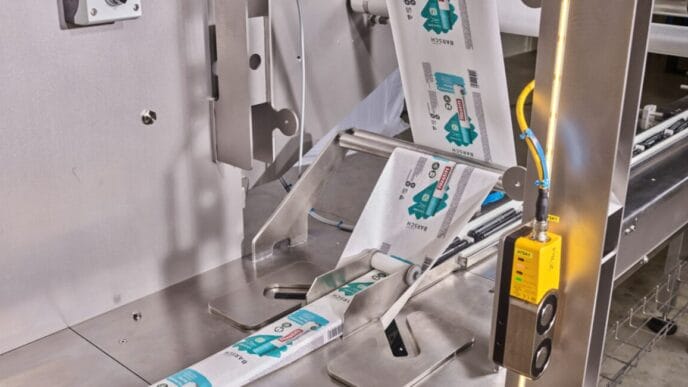
SIG now presents what it claims to be the first market-ready Alternative to the plastic straw. Together with Nestlé, the company will be launching a Paper drinking straw The Linnich-based company has announced that it will be launching the straws on the market in the coming months. Production capacities will then be gradually increased and the straws will be available for a wider range of packaging formats.


Why did SIG even bother with drinking straws? The system and solution provider for aseptic packaging does not manufacture such products at all. The approach was to offer customers added value „by helping them to fulfil the wishes of consumers and legislators,“ explains SIG's Chief Market Officer Markus Boehm.
Straw remains stable in liquids for 30 minutes
SIG, for example, provides the Small format beverage packs from which you can easily quench your thirst on the go with the attached drinking straw. Accordingly, the company entered into a close development co-operation with the Drinking straw suppliers one. The paper drinking straw is an „innovative and exclusive solution“, SIG is pleased to report. FSC certification is due to be obtained this year.
Paper and liquids don't go well together at first. Nevertheless, the product presented by SIG remains stable in liquids for at least 30 minutes. This is thanks to its construction. It consists of three layers of paper, which are connected by two layers of adhesive emulsion, as the company reported to the packaging journal revealed. In this way, the premiere paper straw still has a slim diameter of six millimetres. It is robust enough to hold the closed Drinking straw holes of the aseptic carton packs.
Outer packaging is still made of polypropylene for the time being
For the time being, the Outer packaging of drinking straws are still made of polypropylene and not paper. There are very practical reasons for this, explains SIG Corporate Communications: „At present, outer packaging made of paper cannot yet be used with the installed Drinking straw applicators be processed.“
To prevent the Plastic drinking straw sleeves As the straws do not fly around as waste after removal, they have been designed so that they remain attached to the packaging after the straw has been removed. The drinks packaging and drinking straw outer packaging can then be recycled. Fixing the outer packaging does not make removing the straws any more complicated, SIG reassures: „The Blister pack are easy to open so that the straw is very easy to remove.“
[infotext]Edible drinking straws last much longer
Attentive viewers of the TV show „Die Höhle der Löwen“ (The Lion's Den) may remember „EatApple“. Three young Berliners who founded the company in April 2017 Wisefood presented an edible drinking straw made from plant fibres. The show investors did not like the concept.
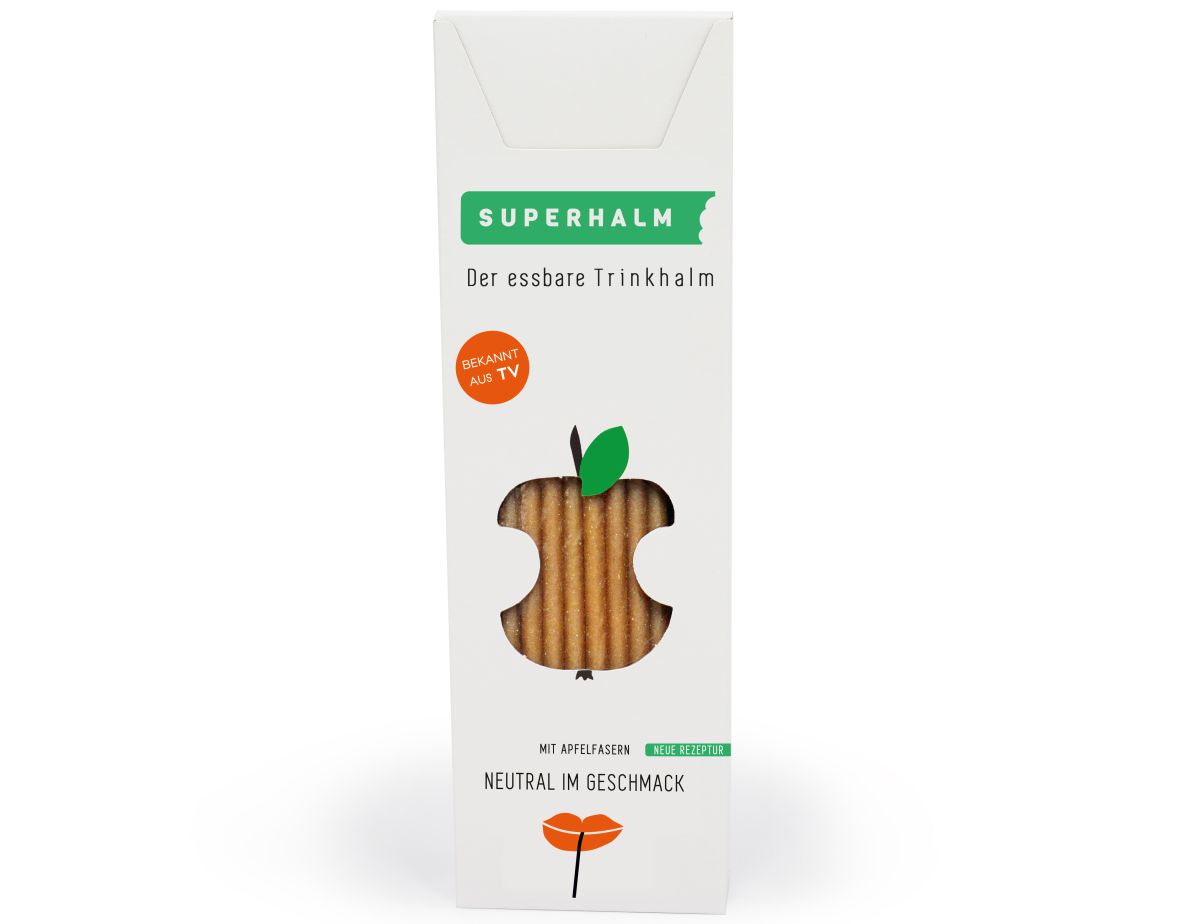
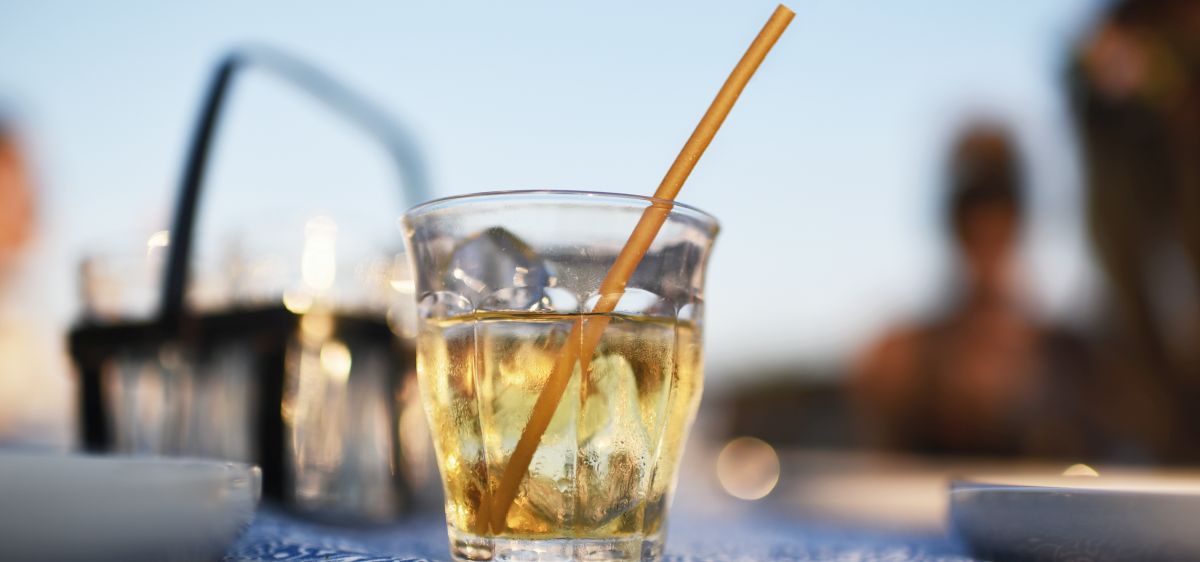
Following an intensive revision of the recipe in October 2018, the edible straw and it can even be found in some supermarkets under the new name „Superhalm“. The vegan „Superhalm“ is a sustainable alternative to plastic straws, emphasises Wisefood Managing Director Konstantin Neumann: „You can use our Superhalms just like normal straws and can simply eat them after use. If you don't want to do that, you can also simply throw them in the Organic waste be disposed of.“
The Super straw According to the company from Langenbernsdorf in Saxony, the sweetener is essentially made from apple pomace and wheat. To improve the flavour, the sweetener Stevia and citric acid are added.
Super straw to become „standard tool“ for bartenders
It is available as standard in Natural and black colours and in two lengths of 205 and 225 millimetres. There is also a choice of two diameters: five and eight millimetres.
The Wisefood team - the start-up now has eight employees - has continuously improved the Durability of the super straw in liquid. Only after an hour does the straw begin to dissolve in cold drinks, emphasises Maximilian Lemke from Wisefood Sales when asked. The shelf life exceeds that of Paper straws clearly. It is also important to the company that the edible stalk does not alter the flavour of the drinks.
„We want to become the standard tool for bartenders and co.“
Konstantin Neumann, Managing Director of Wisefood GmbH
The target group of the Superhalm is not yet at Packaging manufacturers, but with the users. Accordingly, the straws are available for end customers in packs of 50 or for the catering trade in bulk packs of 1,200 straws.
One Individual packaging of drinking straws so that they can be stuck to drinks packaging, for example, is conceivable in the future, but is not currently being realised, says Maximilian Lemke.