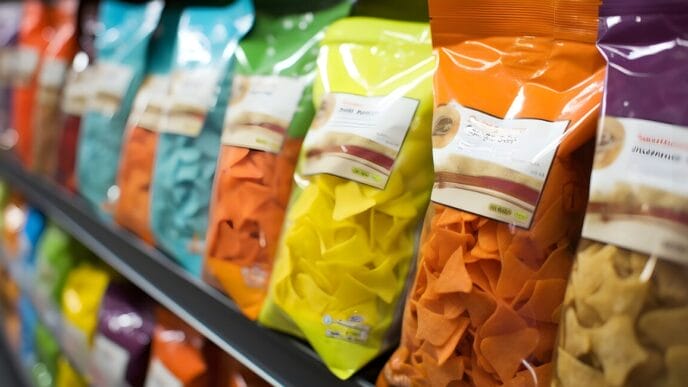
In a current pilot project, SKODA AUTO is testing biodegradable films for packaging vehicle parts before they are shipped to the Indian plant in Pune. The films protect the components just as effectively as conventional plastic films.
The main difference is that they can be composted after use. After three to six months, they are brought to the logistics centre in Pune as a soil conditioner. This packaging concept is used by SKODA AUTO employees at the CKD Centre at the main plant in Mladá Boleslav. The car manufacturer This saves around 500 kilograms of conventional plastic film per month.
„At SKODA AUTO, we take a holistic approach to the ongoing optimisation of our ecological footprint. To this end, we systematically encourage our employees to develop and implement innovative concepts. The compostable packaging for our parts deliveries to India is a concrete example of this. Together with our colleagues at the Pune site, we are currently successfully trialling films based on corn starch. This has enabled us to reduce the amount of conventional plastic packaging for parts deliveries there by half while maintaining the same level of protection for the components.“ David Strnad, Head of Brand Logistics at SKODA AUTO
In order to effectively reduce the need for packaging film for components before they are shipped to Pune in India, the SKODA logistics department specifically looked for biodegradable alternatives. The CKD centre in Mladá Boleslav then tested a compostable film. Several trial consignments were tested, whether it fulfils the strict requirements for transport in overseas containers. In fact, the quality check after the delivery arrived in Pune revealed no damage or traces of corrosion on the components.

Pilot project on practical suitability runs until June 2021
To test whether the packaging could be composted as planned, the logistics employees built composters from recycled material on site. In addition to the films, they also filled them with other organic waste. After just six months, the films had largely biodegraded. SKODA AUTO is now testing the practicality of the innovative film on a larger scale. A corresponding pilot project was launched in July 2020 and will initially run until June 2021.
The composted packaging is used in Pune as organic fertiliser for the trees in the logistics park, among other things. Since March 2019, employees from the logistics department and visitors have had the opportunity to plant a tree in front of the factory gates, transforming former wasteland into a park.
Sustainable management and waste avoidance as important pillars of the environmental strategy
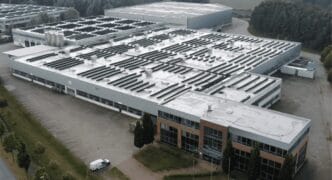
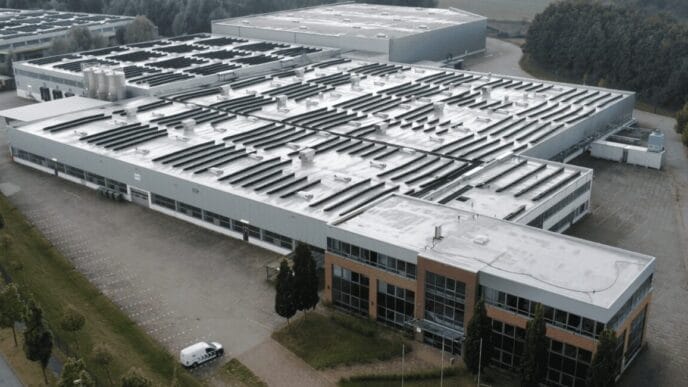
The plant is also pursuing the implementation of numerous other projects to further increase sustainability in production and consistently minimise its environmental footprint. In December 2019, SKODA AUTO Volkswagen India Private Limited signed an agreement with the Commissioning of one of the largest solar rooftop systems in India also recognised its responsibility for an ecologically sustainable future at the Pune site. With 25,770 photovoltaic modules the roof system covers up to 15 per cent of the annual electricity requirement of the plant. The resulting reduction in CO2 emissions from automobile production at the site amounts to more than 9,000 tonnes per year.
Source: SKODA AUTO Germany GmbH