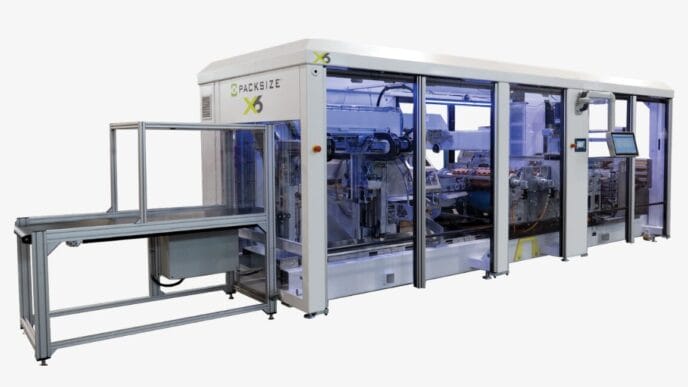
How can packaging machines be adapted to new production conditions? Somic, a specialist in secondary packaging machines, offers its customers various solutions for retrofitting.
19 June 2020
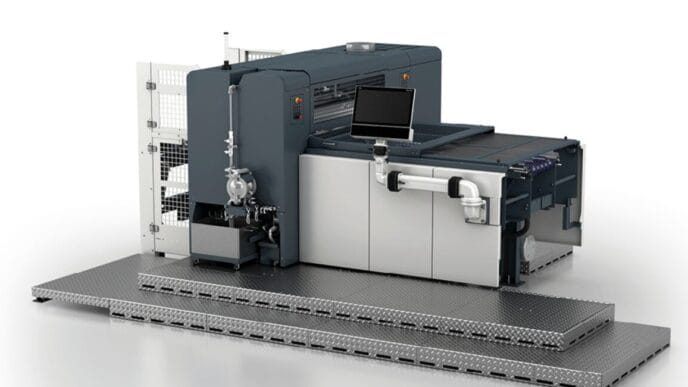
Conversion to different formats is based on easy-to-use QuickChange connections. (Image: Somic)
Can packaging machines be adapted to new production conditions? How flexible is the processing spectrum? Can food manufacturers react quickly when changes in pack sizes are required? What room for manoeuvre can be used? As a specialist in secondary packaging machines, Somic is well prepared to answer these questions.
If you look at the reliable secondary packaging machines that have been in operation for many years, the question is obvious: How flexible are the systems? If you want to open up new scope for your own production, but don't want to invest in a new machine straight away, a Expansion of the processing spectrum well served on an existing machine.
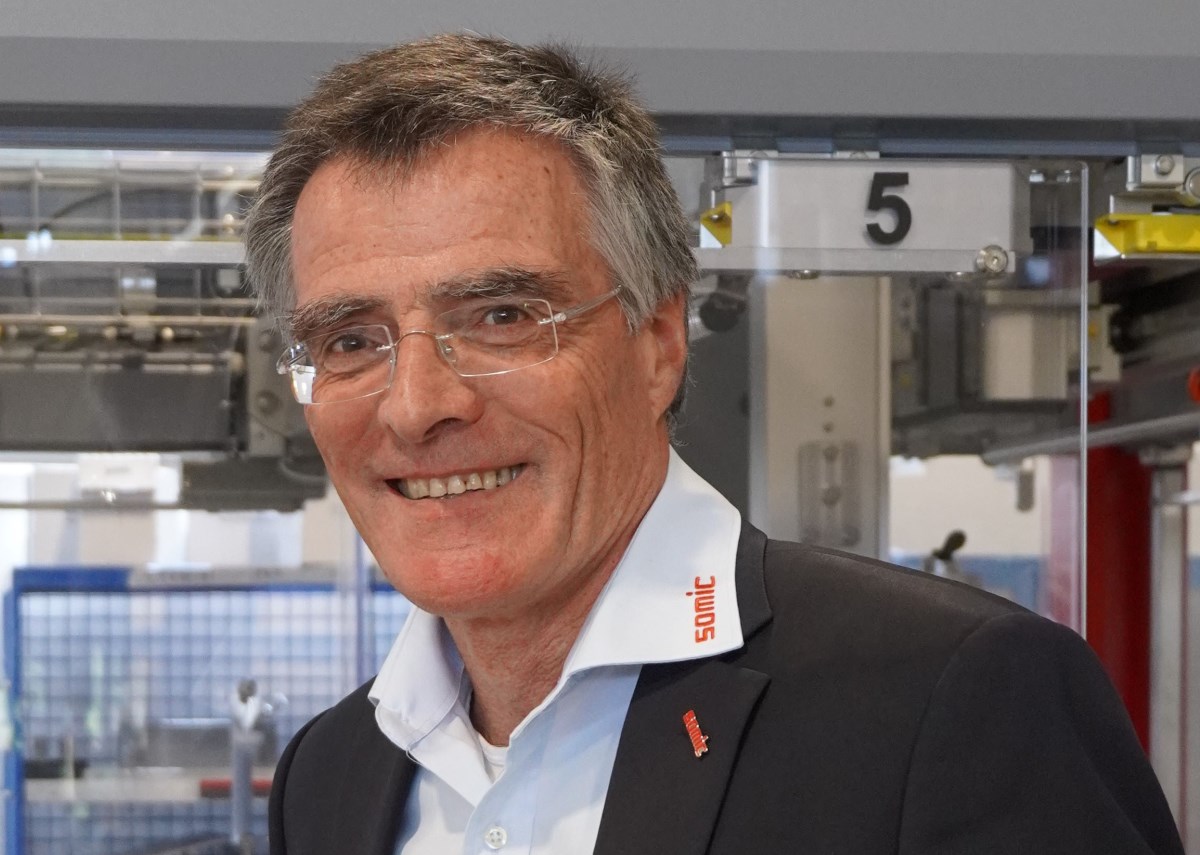
Stefan Julinek, Director Sales at Somic (Image: Somic)
„The simplest case is pre-programmed, so to speak: We can set additional format parameters via our remote maintenance function. The second case is when we have to produce new format parts for the existing machine, which can then be installed in the machine by the customer. And in the third case, a conversion is required that can only be carried out by Somic personnel on site,“ summarises Stefan Julinek, Director Sales at Somic, the three possibilities together.
Consultancy - using format extensions
Retrofits are well organised at the machine manufacturer from Amerang in Upper Bavaria. A separate department follows the projects from the customer's initial enquiry through to realisation. As retrofitting is one of the most difficult tasks in mechanical engineering, the Retrofit & Upgrade department for use.
Display
This is a team of specialists: only employees with many years of experience in mechanical engineering and design work there. The enquiries concern recently delivered machines as well as machines from the 1990s.
The company even goes one step further and also manufactures the parts on a specially equipped production line. Customers with retrofit orders are assigned their own project manager, who oversees the order from clarification to delivery and commissioning. This ensures close communication and the customer receives comprehensive support, even if they end up integrating their parts into the system themselves using Quick Change.
A case study: 13 formats were configured in advance for a machine delivered in 2016, for which the machine is prepared ex works. Two more formats were added in 2018. New format parts were required for this area so that a precise folding process could be realised for the changes to these carton formats.
This increased flexibility for the customer. New designs for printed cartons or specifications from retailers for placement could be better taken into account.
Programming - retrofitting completed
The simplest case for the retrofitting team is when the user remains within the format range that was defined when the machine was purchased. With the dimensions length x width x height for product and carton, the settings for the format parts are stored in the control panel.
„We then simply switch on in the Remote maintenance mode on the machine and programme the desired new formats in the product and carton preselection. The customer can then quickly place new formats outside on the market,“ explains the sales manager.
Self-programming is not recommended, as the control system is the key to machine function. Conversions of this type are usually completed within a few hours and can be easily carried out on tray, wrap-around or tray/lid machines of type 424 from around 2010 onwards. In about 30 per centof the enquiries customers can thus very quickly obtain the necessary format extension for retrofitting.
For larger format extensions - new parts
If the format range of the machine extends beyond the predefined format range, on average 20 or more parts are affected by a format extension. The required parts are Specified by the Retrofit & Upgrade project team and manufactured on the separate production line.
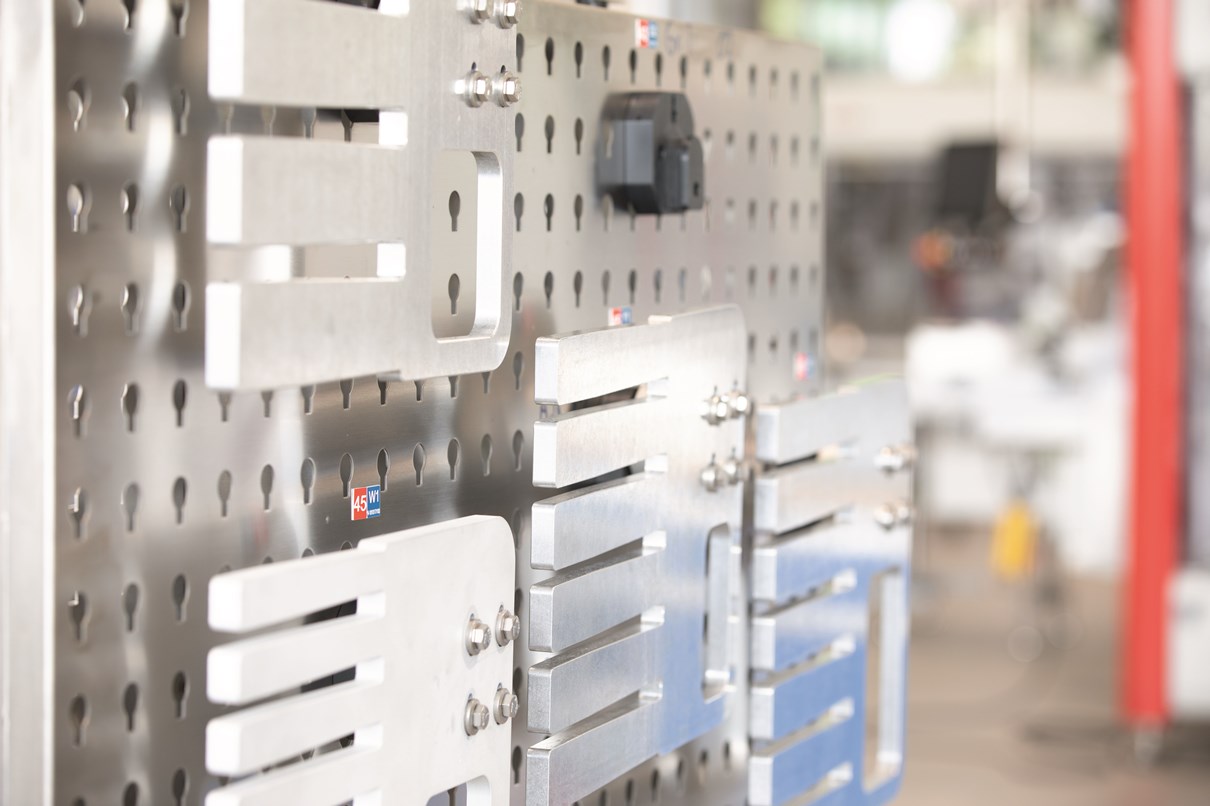
Format change: quick and easy with Somic's Quick Change technology (Image: Somic)
There, the team produces the Parts in batch size 1 directly related to the customer's application. With the help of Somic's invented Quick-change technology, which is used in all current machines, replacement is carried out without tools and by the customer themselves. Easy-to-open levers are used at the positions for format changeovers, which are released manually by the operator.
If the replacement part is used, there is a Clear installation situation. The employee then locks the newly installed part with the lever and ensures that it is securely fixed. An example changeover shows that the Quick Change system is predominantly used in the cartoning group.
„We can use our documentation to determine exactly which assemblies are affected by a change. For example, if a new product grouping is required for the compartment collector, everything may still fit well, but a change may be necessary for the pusher comb. In the case of the carton feeder, too, you have to take a close look at the range of cartons processed and the guides for each individual format,“ says Stefan Julinek, explaining the procedure.
In individual cases also with on-site appointment
In five to ten per cent of all cases, however, this strategy cannot be applied to format extensions. This applies to machines that were delivered before the standard modular concept of Somic machines was developed and have been serving the customer well for a long time. With these machines, the technicians have to make adjustments to numerous assemblies. Then a Personal commitment of the service staff on site usually absolutely necessary.