INSIGHTS INTO THE PACKAGING
Recyclable? Yes - No - Maybe
From 2030, the following will apply in the European Economic Area: all packaging must be at least 70 per cent recyclable. All - that means: glass, metal (tinplate, aluminium), paper, cardboard, cardboard (PPK), plastics as well as biodegradable materials and reusable packaging. Regardless of whether they are mono-materials or material composites.
Sounds ambitious - and it is. While materials such as glass, metal and PPK largely fulfil the requirements because they can already be easily recycled today using established processes, others are coming under much greater pressure. The aforementioned materials are already recyclable per se: They can be used to obtain high-quality secondary raw materials that can be reused or reprocessed. This means that they largely fulfil the criteria of the new EU Packaging Act (PPWR), in particular the principle that packaging is considered recyclable if it can be recycled, can replace primary material as a secondary raw material and can be collected and sorted separately without affecting other material flows.

The problem: plastic packaging
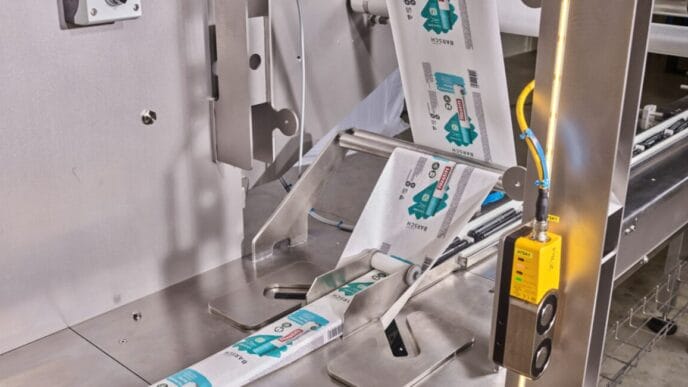
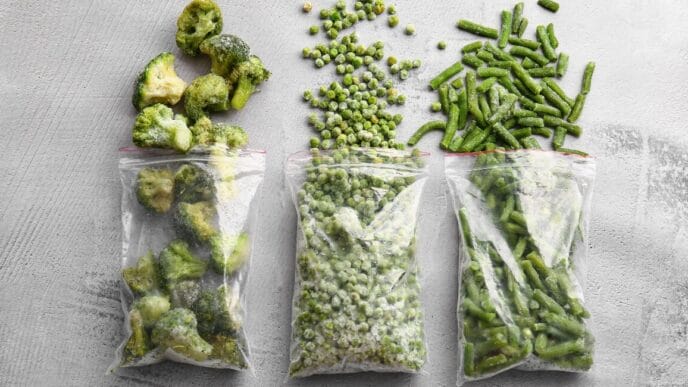
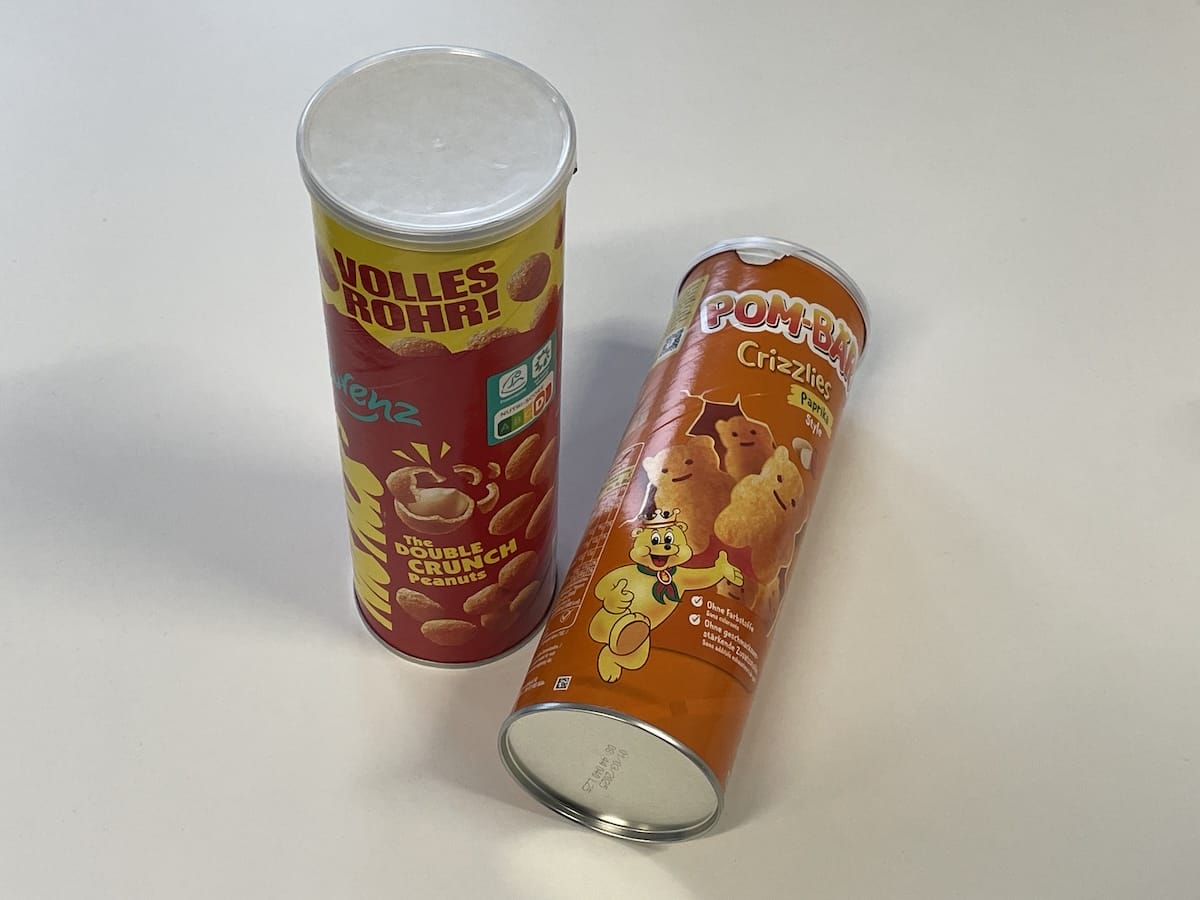
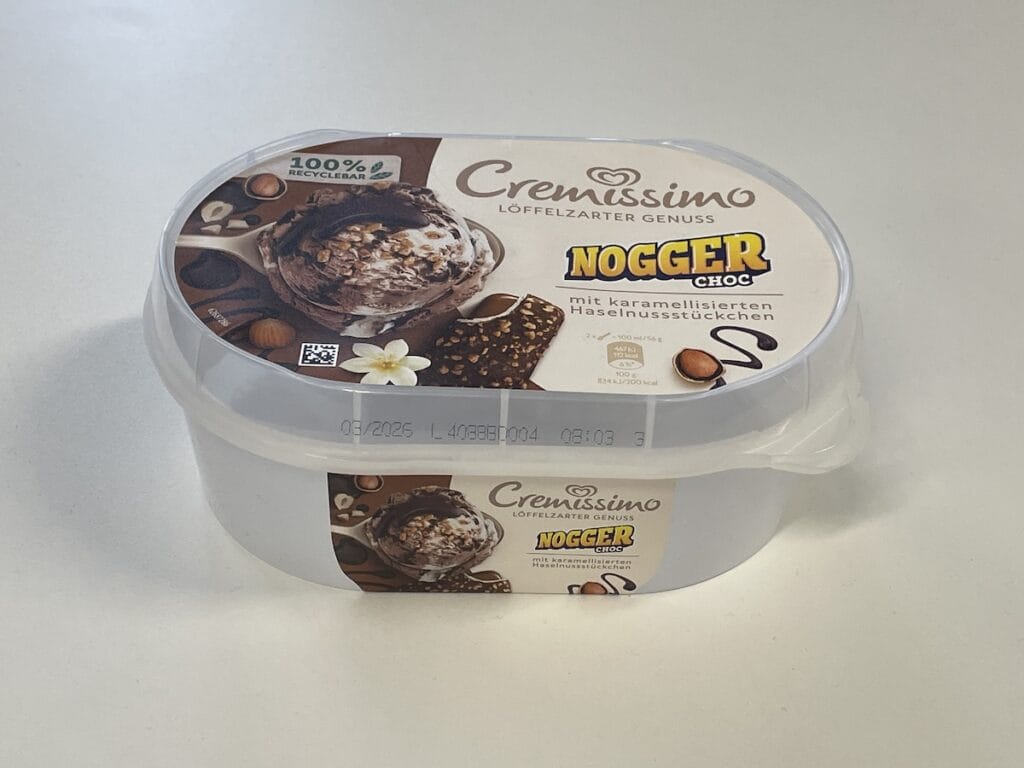
The situation is more difficult with plastics. Although they are indispensable for modern packaging solutions - lightweight, mouldable, functional, CO₂-saving and often ideal for protection, shelf life and transport - they pose considerable problems when it comes to recycling. Flexible plastic packaging in particular is often designed to fulfil essential functions for product freshness, long shelf life or preparation. Mono films, which would be easy to recycle, simply cannot fulfil many of these requirements, such as protective gassing, sterilisation of the product in the packaging or vacuum drawing.
Plastics are therefore almost ideal in terms of their function, but fail where they need to score points in the future: in terms of recyclability. For many applications, recyclable alternatives that offer the same performance are still lacking.
Responsibility - but with limits
The new regulation requires distributors to guarantee recyclability - but the basic requirements for this are largely outside their sphere of influence along the value chain. The decisive factors are collection, sorting and, above all, recycling, for which other players are responsible. Although extended producer responsibility applies, distributors cannot provide any guarantees without the corresponding infrastructure and quality controls at the disposal companies and recyclers.
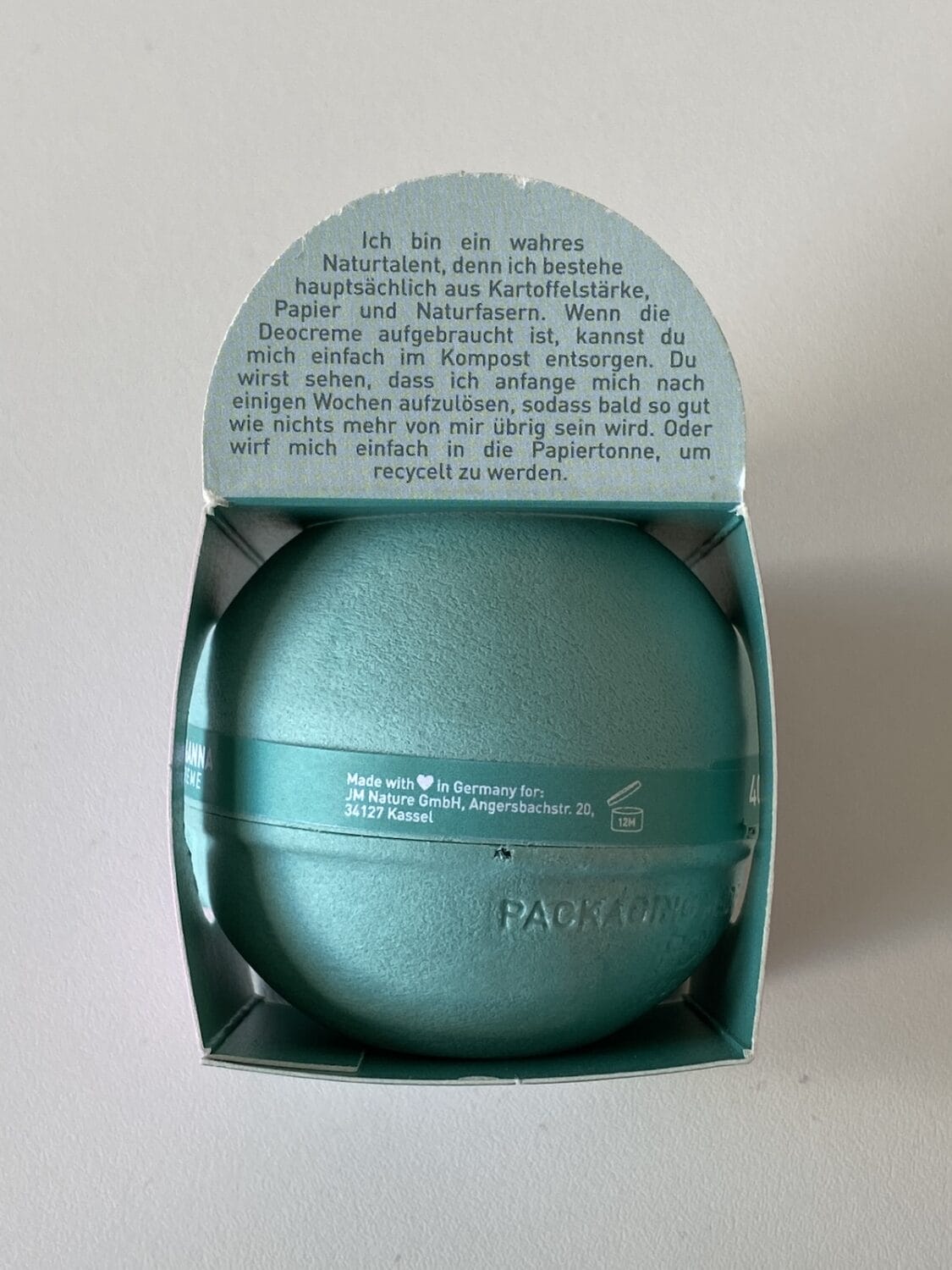
So what happens to packaging that fulfils necessary protective functions but is not recyclable? More realistic exceptions are urgently needed here - for applications with high shelf life requirements or to ensure supply, for example. Otherwise there is a risk of collateral damage: Products can no longer be packaged, supply chains collapse and entrepreneurial freedoms come under pressure.
Plain text at the end
Is 70 per cent recyclability achievable? For a lot of packaging: yes. But Europe has millions of manufacturing companies, mainly SMEs. There are also hundreds of thousands of retailers. And: 450 million people in the EU consume countless packaging units every day - conservatively estimated at over 800 billion per year.
Brussels must not ignore this reality. If the complexity of packaging is underestimated and recyclability becomes a dogma, making functional packaging impossible, this jeopardises more than just ecological goals. The EU Commission must seize the opportunity in the delegated act to turn the impending bureaucratic monster into a practicable framework. Otherwise, Europe faces a serious conflict of objectives: security of supply and product protection versus formalistic recycling requirements. Such a conflict must not be carried out on the backs of companies and consumers.

Sonja Bähr is one of the most prominent voices in the packaging industry.
The packaging technology graduate and long-standing strategy consultant brings together technical expertise and a clear attitude - she thinks about packaging holistically, from the perspective of the market, brand, material and people.
In her column "Presented - insights into packaging" she looks behind the headlines and standardised texts for packaging journal - and at what packaging is supposed to do in practice: protect, sell, simplify and inspire. Sometimes opinionated, sometimes tongue-in-cheek - but always technically sound.
🎯 Regularly a new impulse for the discussion about sustainability, regulation, innovation and reality in the world of packaging.
Sonja Bähr Director Business Development at BPC
http://www.bpc.works