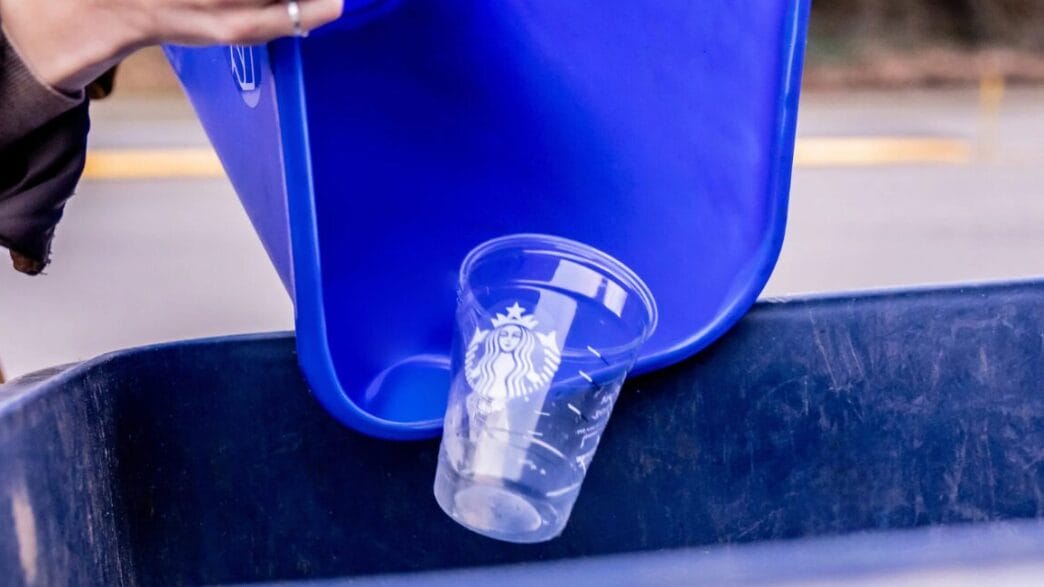
More than 60 per cent of US households can now recycle polypropylene cold drink cups via household collection systems. This step has been driven by Starbucks, among others, which has worked together with How2Recycle, the NextGen Consortium, The Recycling Partnership and WM to expand the recycling infrastructure.
Polypropylene cups for cold drinks have been classified as „Widely Recyclable“ by How2Recycle. This means that they are considered to be widely recyclable, as the required threshold of 60 per cent access to collection or disposal systems in the USA has been exceeded. According to Starbucks, it used its market presence and packaging volume to accelerate the acceptance and integration of the cups into municipal collection programmes.
Scaling via partnerships
As part of the NextGen Consortium, managed by Closed Loop Partners' Centre for the Circular Economy, Starbucks worked with other companies along the value chain to improve the circularity of foodservice packaging. Over the past four months, more than two million additional households have gained access to the collection of polypropylene cold drink cups, according to the organisations involved. Overall, availability has increased by more than ten per cent in recent years.

The Recycling Partnership supported the expansion by investing in sorting and processing infrastructure. Together with KW Plastics, WM developed end markets for the material and created the technical requirements for effective processing of the cups. How2Recycle provided the criteria and consumer labelling to ensure standardised communication on disposal.
„Achieving the Widely Recyclable rating for polypropylene cups is a significant milestone. It shows what is possible when companies, recyclers and communities work together to develop solutions that reduce waste and make recycling easier for customers who choose takeaway beverages. We are determined to continue our joint efforts to build a circular system that benefits people and the planet.‚
Marika McCauley Sine, Chief Sustainability Officer at Starbucks
The polypropylene challenge
According to the Recycling Partnership, US households produce similar quantities of polypropylene as HDPE, which is used for detergent and milk bottles, among other things. However, the recycling rate for polypropylene is significantly lower. The wider recognition of cups as recyclable should gradually reduce this gap.
Starbucks emphasises that the current threshold of 60 percent is an interim step. Further investment in infrastructure, design-for-recycling and consumer information is needed to further expand collection and increase actual recycling rates.
Source: Starbucks