Will tomorrow's more sustainable packaging be made of silphie paper? The STI Group wants to find out, because there are many good arguments in its favour. The packaging specialist is now launching exclusive tests with corrugated board and cardboard.
Large, yellow and with the best properties for paper production - that's the Silphie plant. Its fibres can replace traditional wood pulp, are recyclable and the renewable raw material can be sourced regionally. The idea is new and comes from OutNature. The supplier of fibres and papers made from silphia was only awarded the prize in the autumn of 2020 in the „New material“ with the German Packaging Award excellent.
„As the STI Group, we want to support the regeneration of natural resources. We are therefore delighted to be part of a pilot group testing an alternative to wood-based pulp. We are constantly looking for new ideas to help our customers offer consumers even more sustainable solutions. We are very excited about the potential applications of Silphie paper and will be testing the technical properties as well as printing and finishing options over the next few weeks.“ Andrea Wildies, Managing Director STI Group
Silphie paper as the sustainable hope of packaging?
Not all the technical values of the new material are available yet. According to OutNature, the paper and cardboard qualities are genuine prototypes with a silphie fibre content of currently 30 per cent; the aim is to achieve a content of at least 50 per cent.

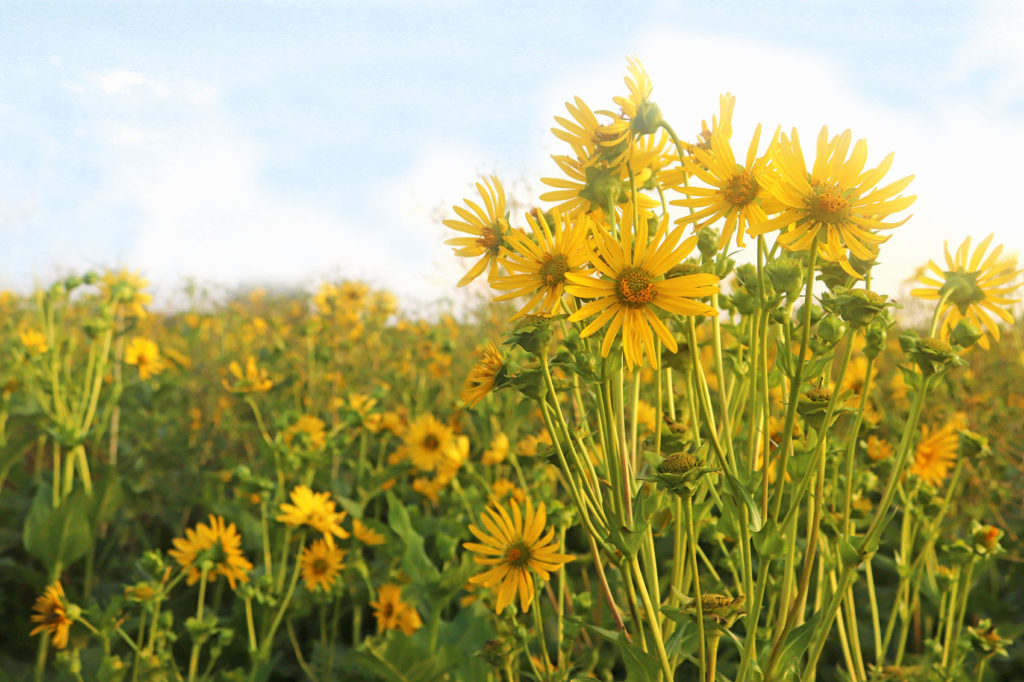
The plant offers a wide range of added value for the entire ecosystem during its life cycle. The recyclability of this innovative material is another advantage over other wood alternatives.
„Design for recycling and the consistent reduction of CO2-emissions are the focus of our sustainability strategy. In line with our circular innovation strategy, we scrutinise all new developments from a sustainability perspective and work on concepts with added value for the environment and our customers.“ Jakob Rinninger, STI Group CEO
The sustainable optimisation of packaging through the use of silphie paper could, in the opinion of the STI Group-management will be one of these concepts. The practical tests over the next few weeks will show how the new material behaves in the production process, where its strengths lie and for which applications and products it is particularly suitable.