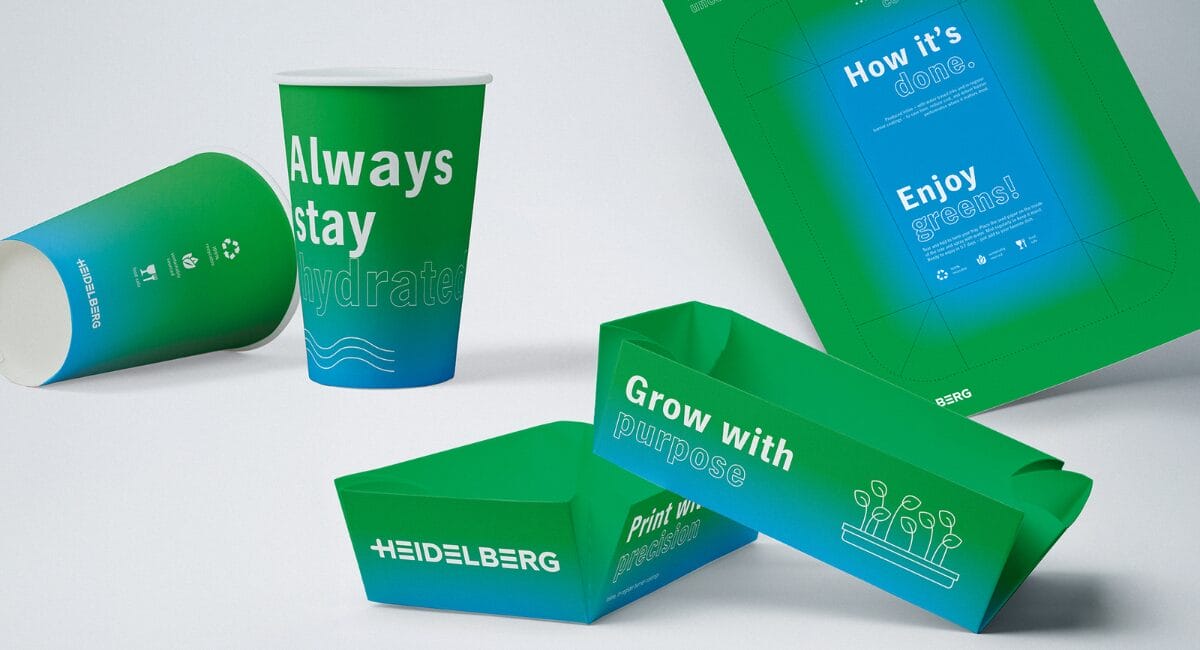
Paper-based packaging could play a central role in the European packaging mix by 2030. This is the result of a joint study by the Baden-Württemberg Cooperative State University Heilbronn (DHBW) and Heidelberger Druckmaschinen AG. However, the decisive prerequisite is that technological and economic hurdles are overcome, particularly with regard to barrier coatings.
The forecasts promise that so-called „flexible packaging papers“ will see an increase in sales by the end of the decade. average annual growth of over 4.5 per cent. Now an expert survey conducted by the Baden-Württemberg Cooperative State University Heilbronn (DHBW) together with Heidelberger Druckmaschinen AG (Heidelberg) entitled „The future of packaging 2030“ this development.
The results show: Paper-based packaging solutions will play an increasingly dominant role in Europe by 2030, at least by then, if we succeed in solving key technological and economic challenges in the field of coated paper packaging. The study is based on expert interviews with decision-makers from industry and retail, which underpin the sustainable trend towards „paperisation“ in the packaging sector, i.e. the substitution of plastic with paper.

According to Prof. Dr Carsten Kortum, head of the study and also head of the Business Administration and Commerce degree programme at the DHBW, „it is a matter of not a short-term trend, but a profound change, driven by new legal requirements, increased environmental awareness in conjunction with changing consumer behaviour and technological innovations.“ According to the study, the new EU packaging regulation (PPWR) in particular, which includes stricter sustainability targets and recycling quotas, is acting as a „catalyst“ for change.
Challenges with coated packaging
At the same time, the study points to existing challenges. For example, plastic packaging is currently often cheaper, while paper solutions - especially in the food sector - are more expensive. Technical limits for moisture protection or durability and consumers are often not prepared to pay the extra price.
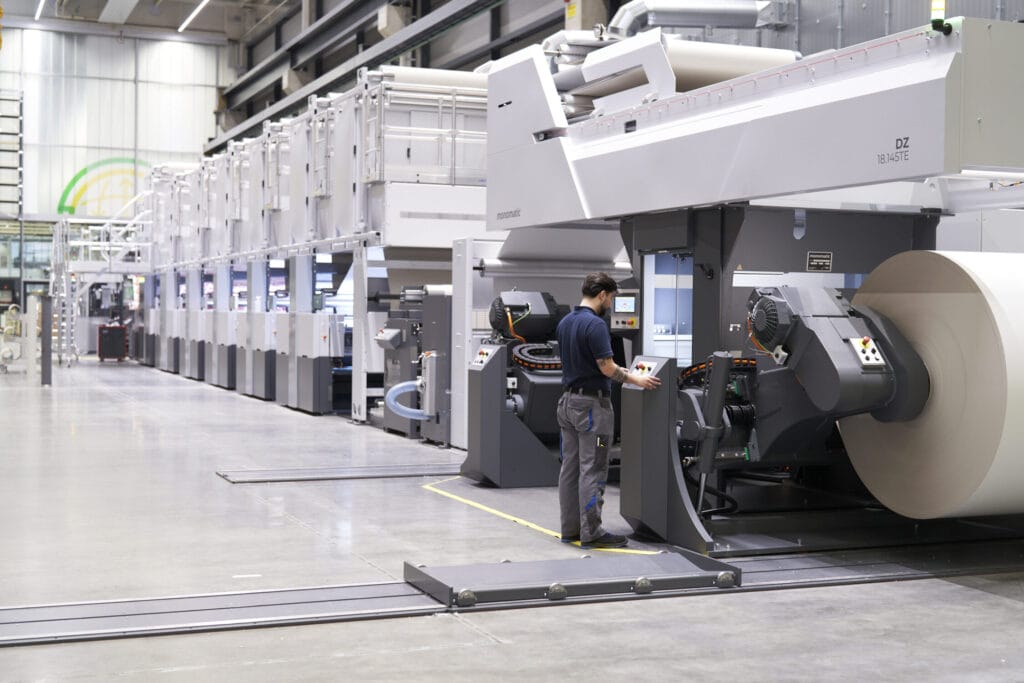
The industrial and cost-effective application of barrier coatings plays a key role in the quality, safety and cost-effectiveness of paper packaging. Heidelberg is therefore working with Solenis, a manufacturer of speciality chemicals, to develop a cost-effective process, Integrate coatings for fibre-based packaging directly into the existing web-fed flexo printing process with the Boardmaster from Heidelberg. Barriers can be transferred and combined inline with register accuracy.
„Economic technological innovations are crucial if paper packaging is to replace plastic packaging. The inline production of coated paper packaging and the cooperation with Solenis to develop innovative varnishes and coatings therefore make Heidelberg a driving force in paperisation. We are thus acting as a system integrator in the attractive growth market of mass production of folding cartons.“
Dr David Schmedding, Chief Technology and Sales Officer at Heidelberg
In addition to the study, Heidelberg has developed a White paper which highlights the potential of fibre-based packaging in the context of recycling, carbon footprint and the circular economy.
Source: Heidelberg