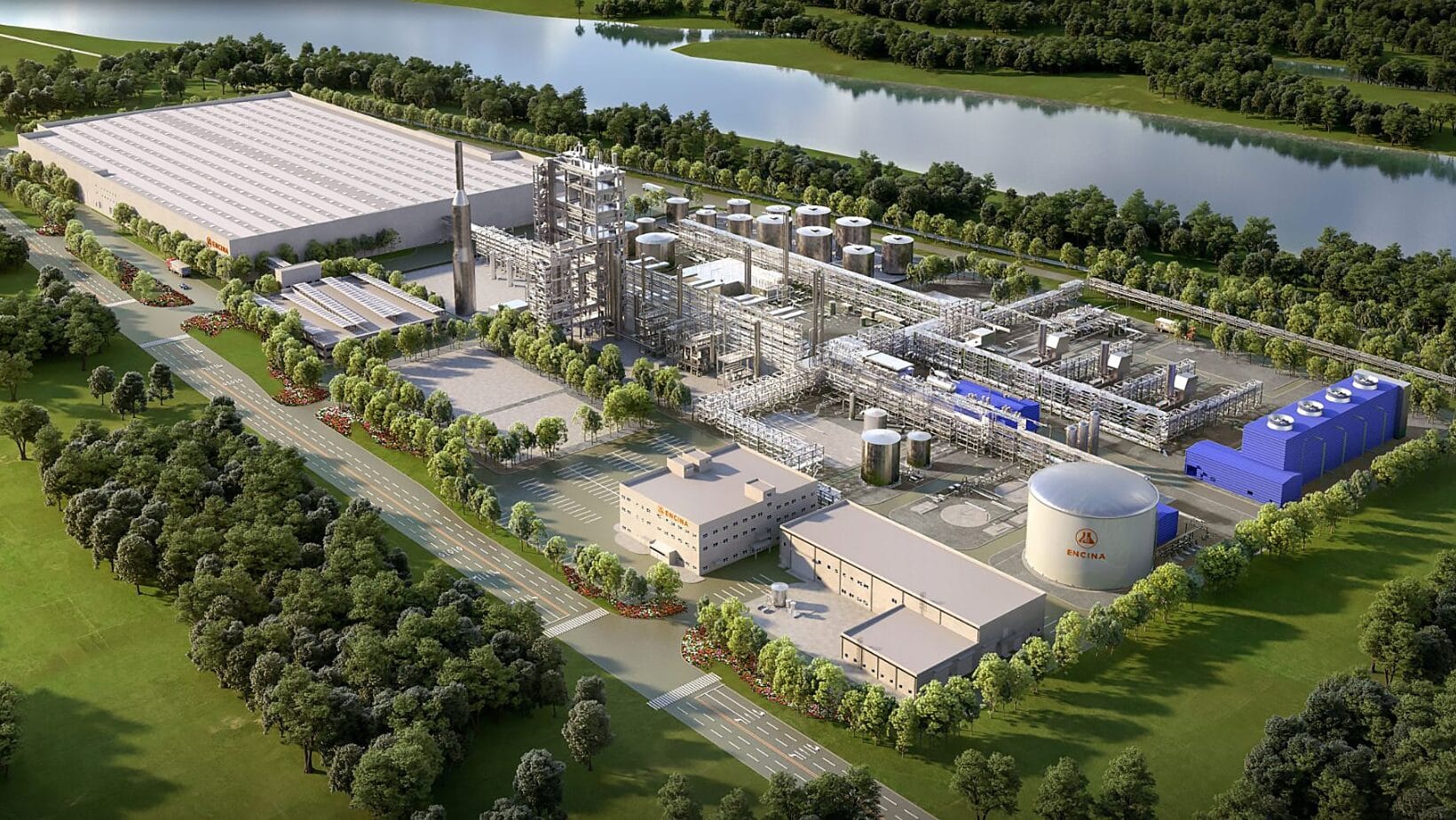
A long-term supply agreement for chemically recycled benzene derived from plastic waste has now been announced by Encina, producer of ISCC PLUS certified recycled chemicals, and BASF.
The agreement is an important step towards sustainable sourcing as BASF strengthens the circular economy by integrating more chemically recycled, circular-based raw materials into its production processes. BASF will use the chemically recycled benzene for its broad Ccycled product portfolio. In the production of Ccycled products replacing conventional fossil raw materials with recycled raw materials from the chemical recycling of plastic waste along BASF's integrated value chain. The corresponding proportion of recycled raw materials, e.g. benzene, is added to the respective ccycled product using a certified mass balance approach.
„The use of benzene from plastic waste in BASF's value chains underlines our commitment to the transition to non-fossil and circular alternatives. Through our partnership with Encina, we are driving BASF's transformation by increasing the share of recycled raw materials to offer more circular products to our customers, for example in the packaging, textile and automotive industries.”
Thomas Ohlinger, Vice President Traded Products at BASF
The catalytic technology developed by Encina enables the Production of recycled raw materials in drop-in quality and with high yields. They are important components in the production of everyday and innovative plastics.

BASF's approach to the circular economy includes increasing the use of recycled and renewable raw materials, designing new material cycles and creating new business models. The collaboration with Encina is an example of BASF's commitment to implementing innovative solutions in order to accelerate the transition to alternative raw materials.
The Encina Development Group is an ISCC-Plus manufacturer of recycled chemicals from used plastics that would otherwise end up in landfill sites or incineration plants. In a one-step catalytic conversion process, plastic waste is broken down to the molecular level, reducing the amount of fossil raw materials required to produce high-quality industrial recycled chemicals.
Source: BASF