More and more companies see the development of sustainable solutions as both a challenge and an opportunity. This is confirmed by a survey conducted by Longitude, a company belonging to the Financial Times: 83 per cent of the companies surveyed see sustainability as a business opportunity, 72 per cent regard sustainability as a permanent trend and 74 per cent do not want their competitors to develop a lead in this area.
The study surveyed 200 executives from the FMCG, retail, e-commerce and consumer goods sectors. In addition, 1,500 consumers were interviewed to find out their attitudes and beliefs regarding sustainability, their impact on consumer behaviour and their expectations of the sustainability implemented by companies.
Challenge: Sustainability is not always measurable
If companies integrate sustainability into their day-to-day operations, they must be able to quantify its impact. The study concludes that less than a fifth of companies (18 per cent) measure their sustainability performance. Less than half state that they can link sustainability to financial performance. The majority of companies do not have the tools to initially measure progress in the area of sustainability and then link it to profitability indicators. However, these companies are committed to their shareholders and are therefore caught between sustainability goals and economic profit considerations.


Determining sustainability in the supply chain
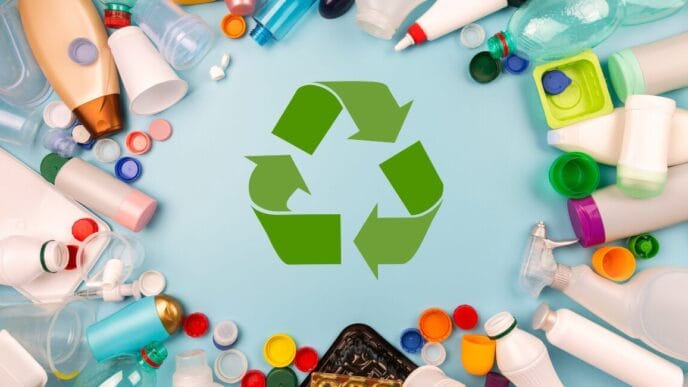
Many companies are focusing their innovations on reducing packaging and waste, with 68 per cent of companies citing packaging materials as the biggest challenge in terms of sustainability. This is followed by the collection of valuable waste and recycling (59 per cent). Almost half (46 per cent) state that the most anticipated benefit of sustainability practices will be cost savings through waste reduction.
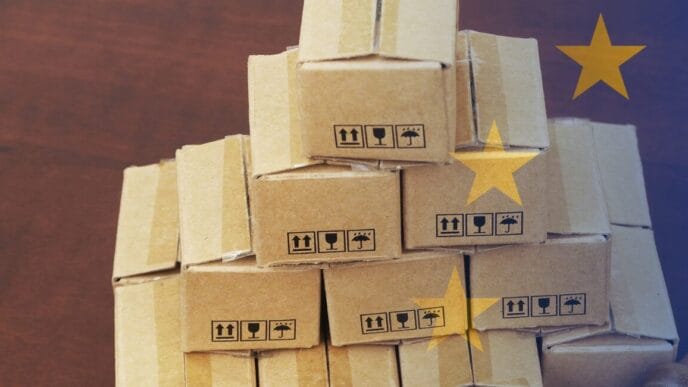
Smurfit Kappa is a company that specialises in optimising all of its customers' packaging-related processes and using high-performance systems to make sustainability measurable. It is one of the world's leading producers of paper-based packaging and has already analysed and optimised 80,000 supply chains. With the new Supply Smart Analyser tool, Smurfit Kappa can calculate how much CO2 is reduced and explicitly show how much money is saved when converting packaging concepts. The company is using the analyser to close the gap between sustainability and shareholder/profitability pressure.
The study can be ordered from Smurfit Kappa downloaded become