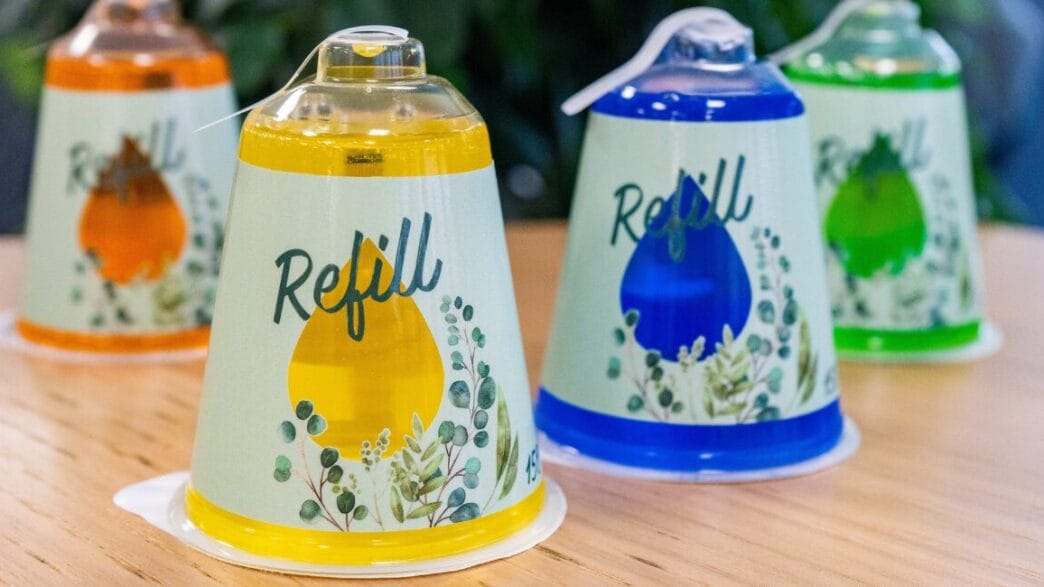
Consumers' growing awareness of sustainability is also driving innovation along the entire value chain in the cosmetics industry. Packaging plays an important role here. Current developments show how manufacturers, machine builders and material suppliers are translating these challenges into market-ready solutions.
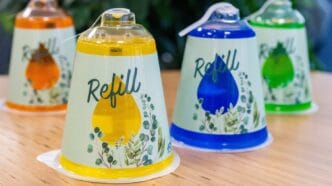
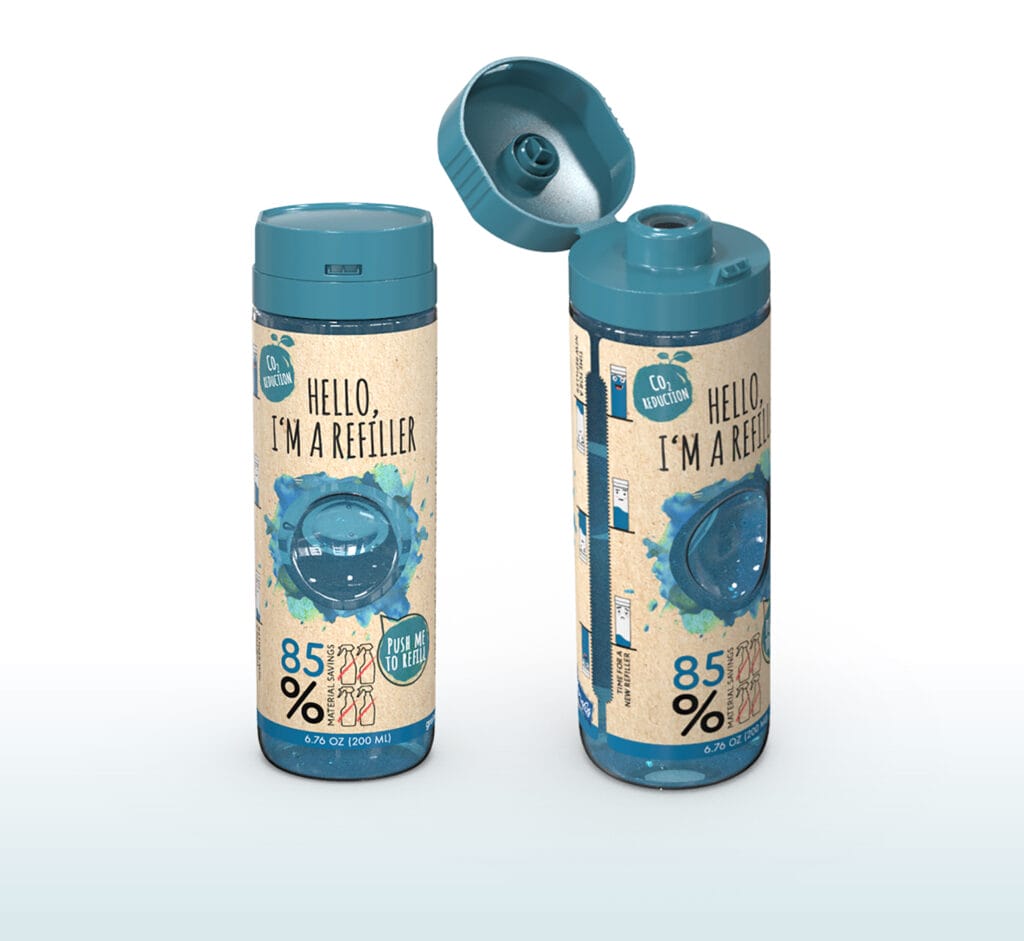
A key driver is the reduction of the carbon footprint. In addition to material savings, recycled plastics, paper-based solutions and reusable systems are becoming increasingly important. Greiner Packaging has clearly formulated its objectives: packaging should be recyclable, lightweight and, where possible, made from PCR materials. The in-house design and prototyping department develops refill concepts such as the „Trigger Refill“ with integrated dosing aid or the „Refill Funnel“. The funnel-shaped refill container enables concentrates to be emptied almost completely thanks to an air flow principle. According to the company, a proportion of up to 100 per cent rPET is possible during production.
Tubes between function and differentiation
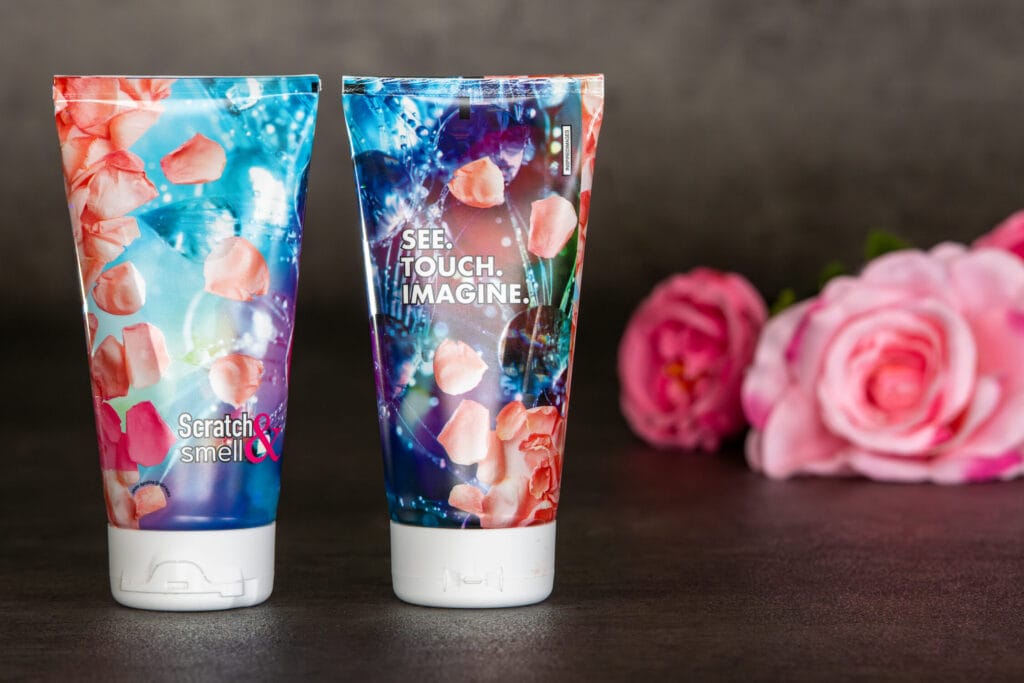
Tubes remain a key packaging format: according to the European industry association Etma, this segment accounts for around 50 per cent of European cosmetics production. In addition to precise dosing and hygienic product protection, manufacturers are increasingly focussing on functional added value.

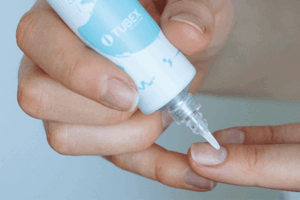
One example is an aluminium tube with a screw-on brush applicator, developed jointly by PackSys and the Tubex Group, which applies liquid formulations directly to the skin or nails. The barrier properties of aluminium protect sensitive formulations from oxygen ingress.
Fibre-based alternatives gain momentum
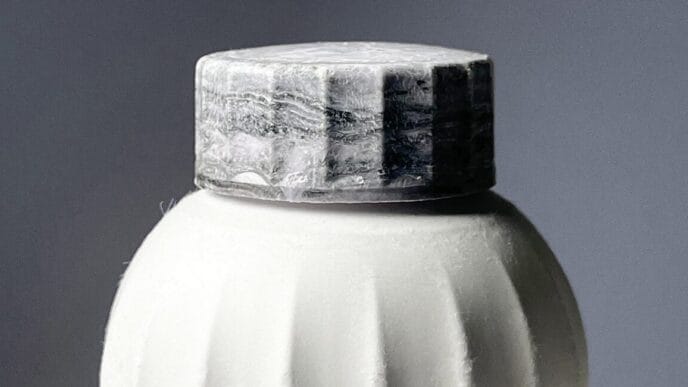
As packaging contributes significantly to Scope 3 emissions, interest in fibre-based solutions is growing. The „Pulp in Action“ consortium, in which around 50 companies are cooperating, is driving forward paper-based primary packaging. Waterproof paper shower gel tubes and sachets with a high paper content were among the products presented. Bio-based coatings provide the necessary barrier functions.
The change in materials is also continuing in the premium segment. A patented refill jar made from moulded cellulose was created for the „Orchidée Impériale“ luxury skincare range - a signal that sustainable materials are increasingly being accepted in the high-price segment too.
Flexible machines for more variety
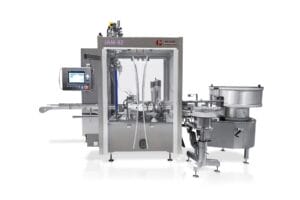
As the variety of packaging increases, so do the demands on filling and packaging technology. The Marchesini Group offers modular lines such as the AXO 1000 tube filling machine or the JAM 42 monoblock, which processes liquid, viscous or foaming products. Schubert uses the example of a TLM filling line for Annemarie Börlind to show how cobots, hygienic design and CIP cleaning can combine sustainability and efficiency.
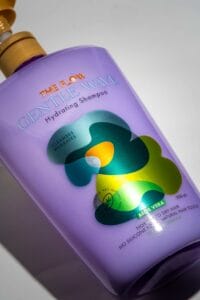
Finishing technologies are also continuing to develop. All4Labels and Actega rely on Ecoleaf technology for metallic effects, which does not require PET carrier films. According to the supplier, this significantly reduces CO₂ emissions while retaining design freedom.
The Swedish company Meadow presents „Kapsul“, an aluminium cartridge that is integrated into reusable dispenser systems as a pre-fillable unit. Established brands are also promoting the use of recycled aluminium: Beiersdorf is launching Nivea cream in a tin made from 95% recycled aluminium.
Transparency through environmental assessment
The EcoBeautyScore is a Europe-wide evaluation system for the environmental impact of cosmetic products. Packaging is taken into account throughout its entire life cycle - from raw material extraction to disposal. To start with, the system covers shampoo, conditioner, shower gel and facial care products. The aim is to achieve transparent, scientifically based comparability.
The examples show: Sustainability in cosmetics packaging is no longer an isolated material issue. It encompasses design, recyclability, process innovation, decoration technology and digital transparency. Companies that translate ecological requirements into marketable concepts at an early stage not only gain regulatory certainty, but also strategic competitive advantages.
Note: This article was written on the basis of a technical article produced by packaging journal for free use by interested media on behalf of interpack 2026. You can find the original article here. You can find out more about packaging solutions for cosmetic products live at interpack 2026 from 7 to 13 May in Düsseldorf.